
 English
 Español
 Français


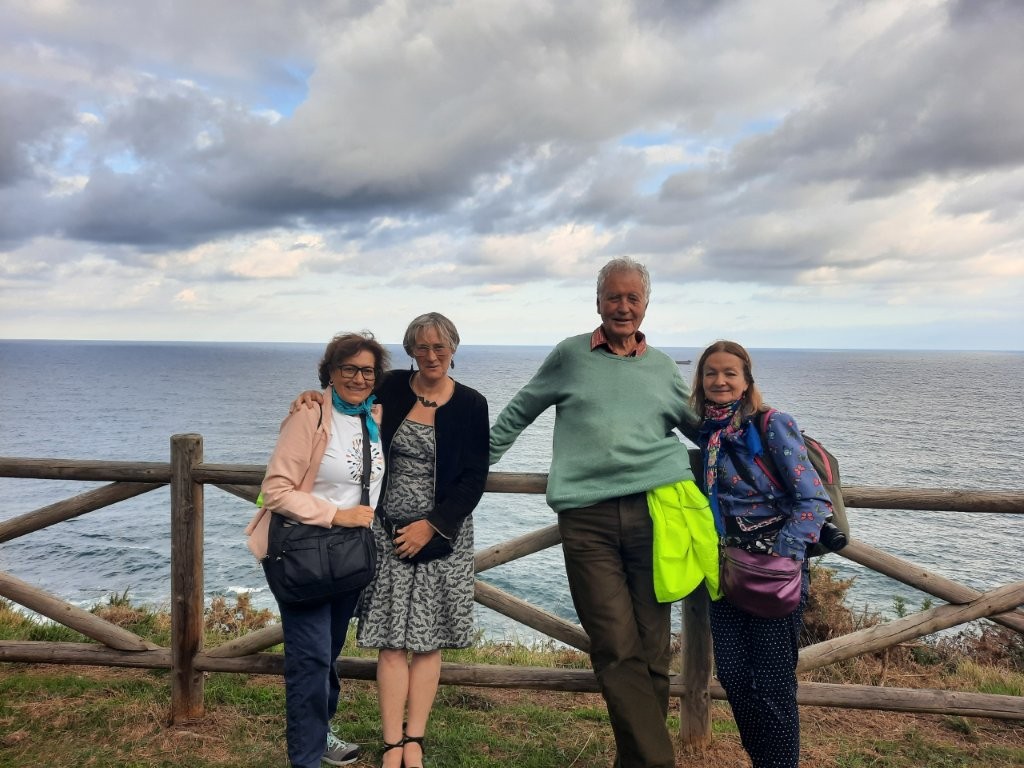
How can greenways combine engineering expertise with environmental stewardship and the engagement of volunteers and local communities?
Interview with John Grimshaw, a civic engineer and pioneer of cycling routes in the United Kingdom, founder of the Greenways and Cycleroutes
by Dominika Zaręba
Your work focuses on creating infrastructure that benefits society, particularly by promoting cycling, walking, and sustainable transport. Could you tell us more about your work and the projects you are involved in?
As a civil engineer I have been building cycling routes for 40 years. In 2016, we founded Greenways and Cycleroutes Limited, a charitable organization that helps local groups develop walking and cycling routes for, and managed by, their local community.
We only construct a route where there is strong local community support. Our projects start when a community in a town or village tells us they have been hoping for a route, they’ve wanted this route – sometimes for 20 years or more. We then work closely with them, helping them with the planning and development process to turn their vision into reality.
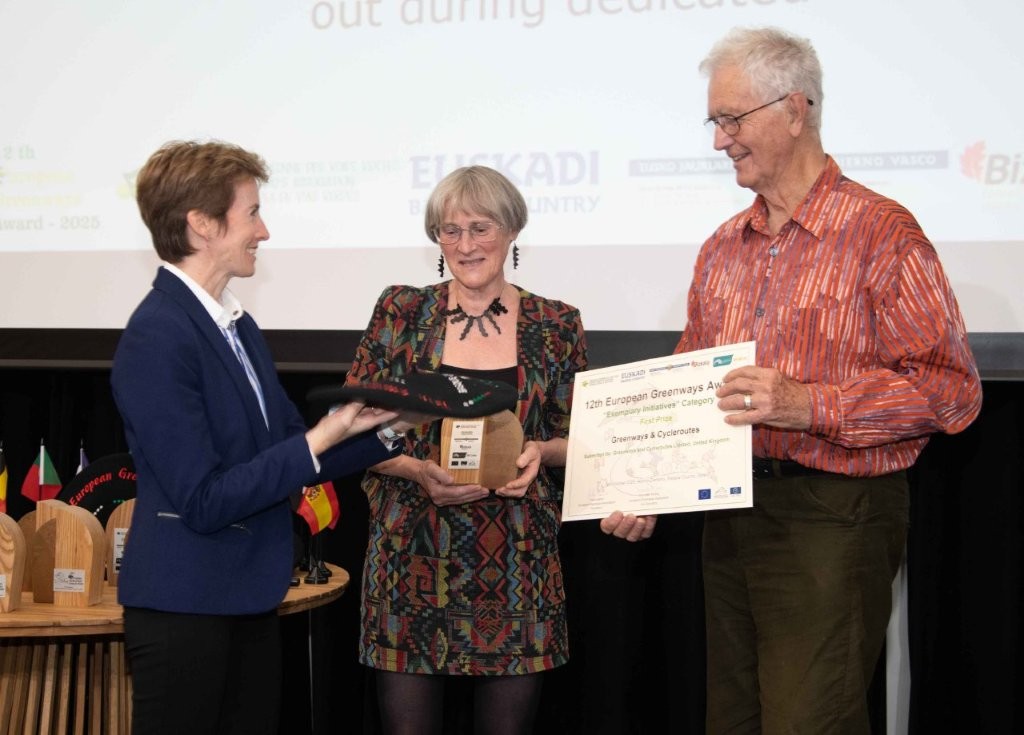
It seems that you combine engineering expertise with urban planning, environmental stewardship, and community engagement. At the International Greenways Conference in Abanto-Zierbena, Basque Country, you received the European Greenways Award – the first prize for an exemplary initiative on organizing work camps, where volunteers actually built greenways. It’s amazing how a group of people can engage volunteers and the energy and enthusiasm of local communities.
We organize volunteer workcamps to drive the realisation of walking and cycling routes. Camps are based near new or planned routes and run for about ten days. Works include for example: building bridges over waterways; constructing abutments for a road bridge; installing custom-designed bat-friendly lighting in a tunnel; creating screens to protect wildlife; casting and installing new copings for railway viaducts. We use local contractors to construct the bulk of the actual paths and for specialist work.
If we can give power to the community to feel that they can address these big challenges, and then, through the work camps, give volunteers the knowledge and skills they need, they can see that, even though they are inexperienced, they can actually build something. The Team might only build part of one kilometer in a week, but they feel very proud of what they have achieved, and they maintain it. That’s why we organize work camps.
Give us an example of one of the recent work camps in order to imagine how it looks like the field.
During the Shepton Mallet Workcamp 2025, in Somerset, South West England, 88 people worked for nine days, carrying out all the labor-intensive and highly skilled work. For example, they constructed the timber formwork and built the abutments for a bridge that following week, the volunteers constructed over a river. It is only 18 meters, but the volunteers assembled the bridge themselves. Because of this, they feel that they own the route. This is so important because it means they will look after the route, and in the future, they will maintain it. Als, we had support from Somerset Council and the local Kings of Wessex School.
These workcamps have been key to Greenways delivering a total of 19 routes since our incorporation in 2016. The workcamps have led to the formation of local working groups, many of which continue to meet weekly with the maintenance and enhancement of routes. This enables Greenways to look after its routes well with remarkably little central effort. Local volunteers have installed benches, planted trees and flowers and created ponds etc.
You mentioned that sometimes there is limited support from local councils and that you also face challenges related to land ownership.
There have been 11 work camps since 2016, most of which were organized on disused railway lines, all of which were in private ownership. Reaching an agreement with landowners is the biggest obstacle to making progress realizing paths in the UK. We are not in the fortunate position of some EGWA members where their governments have wisely retained ownership if these assets. Often, we find ourselves uncertain of what projects we will be able to undertake even weeks or days before a Camp is due to start. It is all very stressful. But sometimes landowners do scramble to help at the last minute, and we are grateful when this happens as you can imagine.
Thank you so much, John. It is so inspiring to see how you manage to involve people in the work, so that they feel a real sense of ownership and become stewards of the landscape and everything around them. Let’s move to a more global level. What is your opinion on the role of the European Greenways Association?
Well, this has been very inspiring to take part in the European Greenways Conference and Award. We’ve seen so many wonderful projects. For me, I think the challenge for EGWA is to share this inspiration with every government, every local council, and every town across Europe. I would like to see our politicians coming and cycling on our greenways. I think that we have a huge resource here that could inspire us enormously. Because in this room, there is an answer to every problem, and somehow, we must find a way to share the knowledge and experience that you have with everyone.
And what is your dream?
I long for the time when our Government recognises and actually believes that Greenways are an essential part of the national transport strategy. And that as a consequence they properly fund their construction and maintenance knowing that they are creating a wonderful resource for the health and wellbeing of the citizens, as well as enabling everyone to travel more sustainably.
Thank you very much.
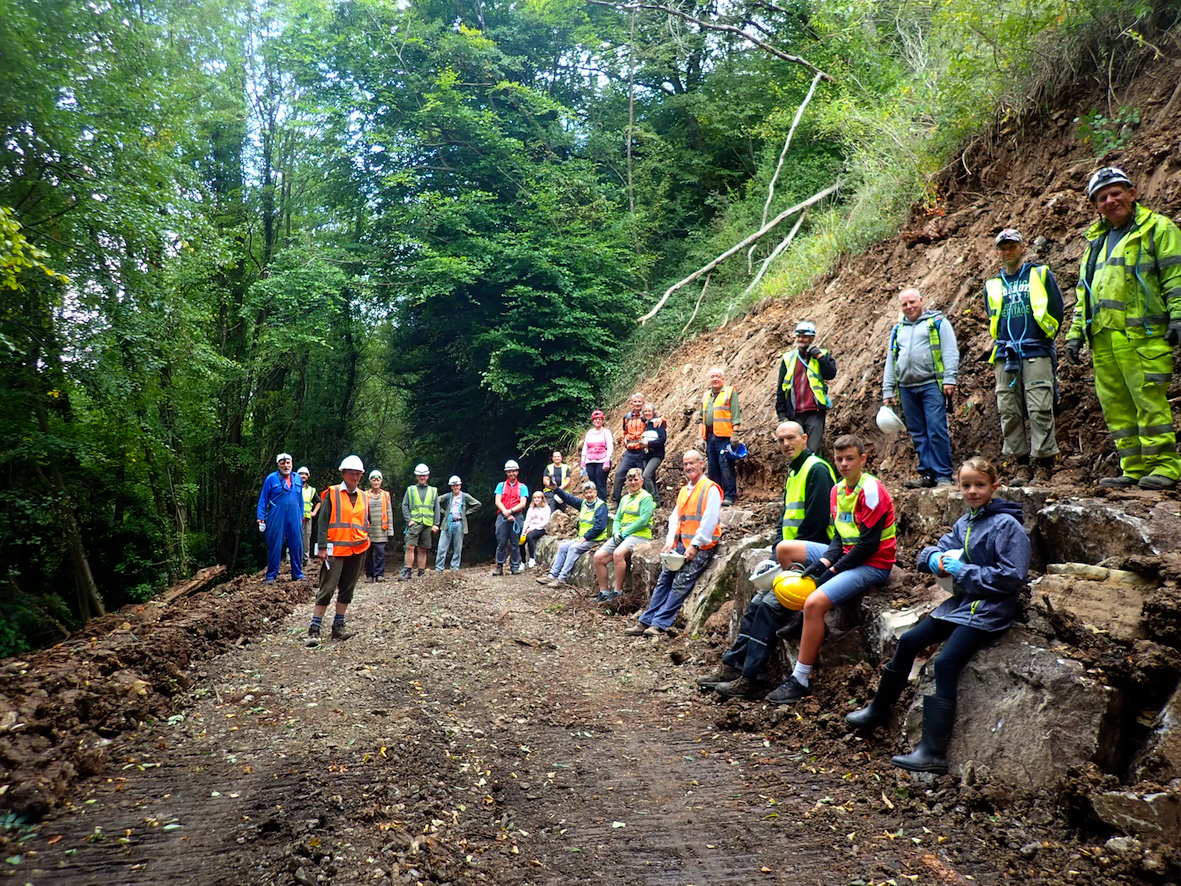
The Greenways and Cycleroutes Limited is a UK-based charitable community benefit society dedicated to developing and maintaining walking and cycling routes that are accessible to all, including wheelchair users. The organization is largely volunteerled and works closely with local communities to create safe, traffic-free paths that promote active travel, recreation, and sustainable mobility.
>>>see more: greenwaysandcycleroutes.org