 English
 Español
 Français


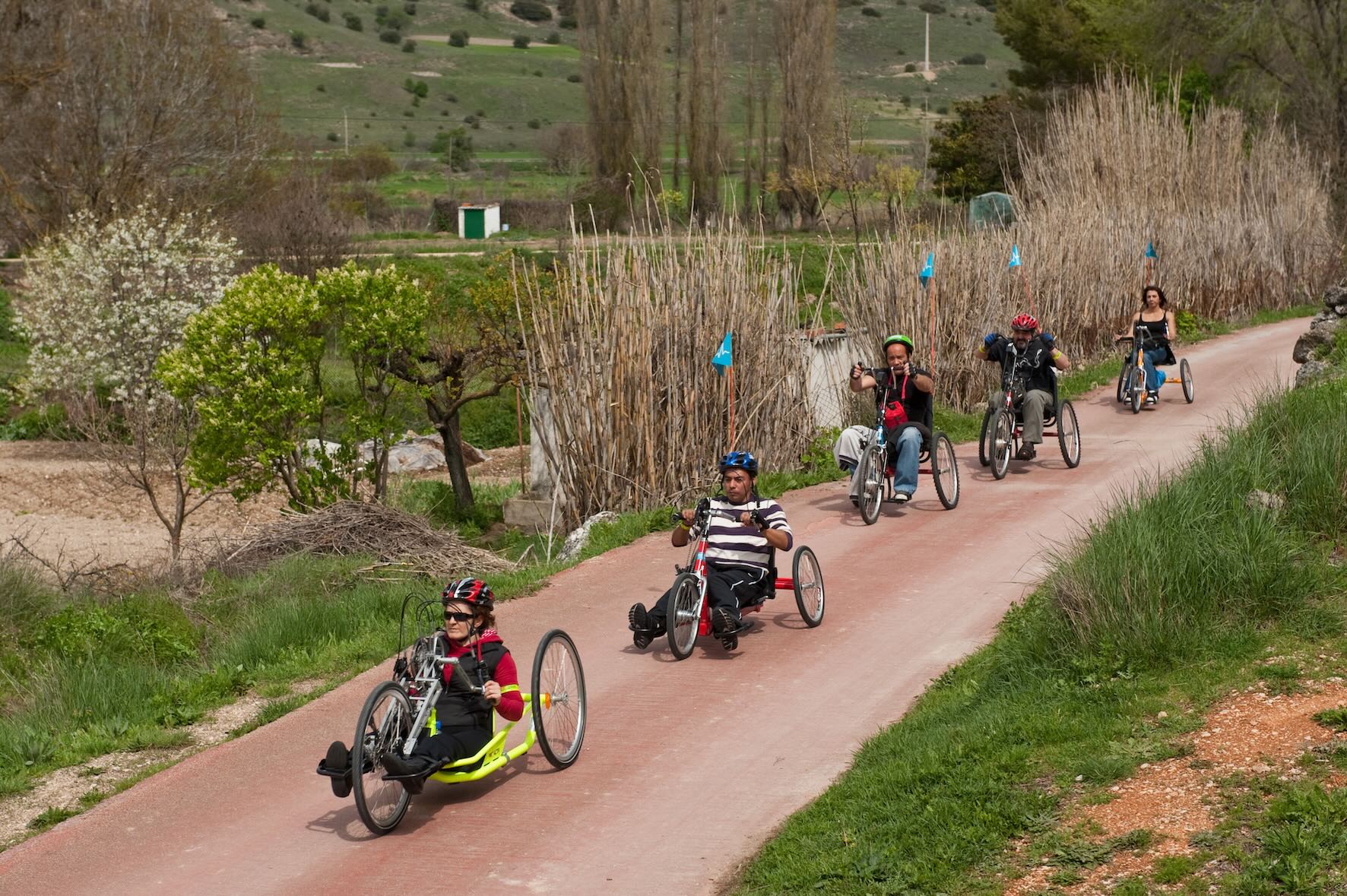
Greenways are among the most inclusive forms of sustainable transport and outdoor recreation. Developed primarily along disused railway corridors, canal towpaths, and river valleys, they typically feature gentle gradients, continuous routes, and separation from motorized traffic. These characteristics make greenways particularly suitable for a wide range of users, including cyclists, pedestrians, families with young children, older adults, and people with disabilities.
Accessible Greenways: Designing Inclusive Routes for Everyone
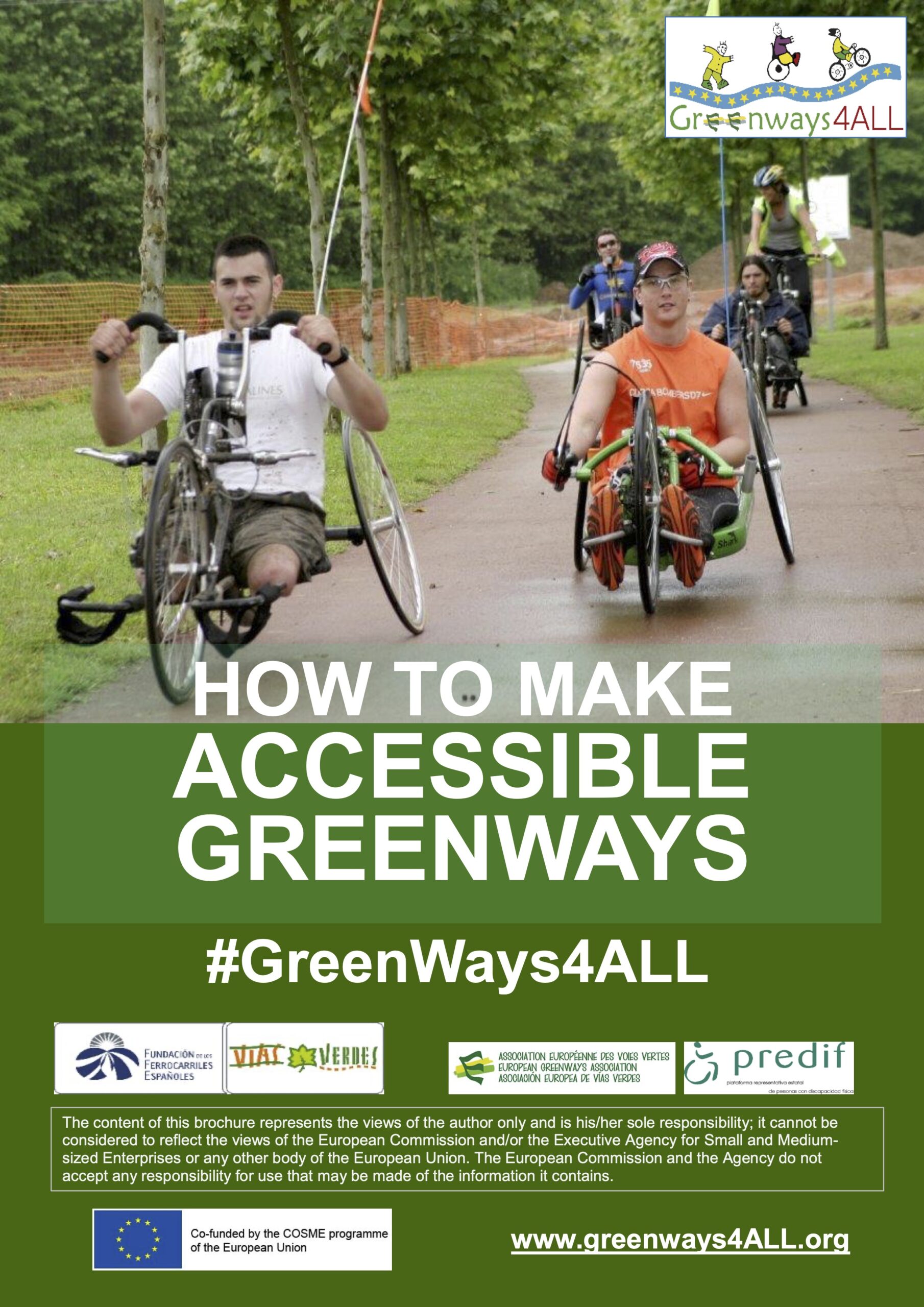
However, accessibility is not achieved simply because a route is free of cars. True accessibility requires careful planning, thoughtful design, appropriate infrastructure, and continuous maintenance. The Greenways4ALL concept emphasizes that accessible greenways should enable all people – regardless of age or physical, sensory, or cognitive ability – to travel independently, safely, and comfortably while enjoying nature and cultural heritage. Accessibility should therefore be considered a fundamental quality of greenway development rather than an optional enhancement.
Principles of Accessible Greenway Design
Accessible greenways are founded on the principle of universal accessibility. Instead of adapting infrastructure for specific user groups after construction, planners should incorporate accessibility requirements from the earliest stages of project development. This proactive approach ensures that the route serves the widest possible range of users while reducing the need for costly modifications later.
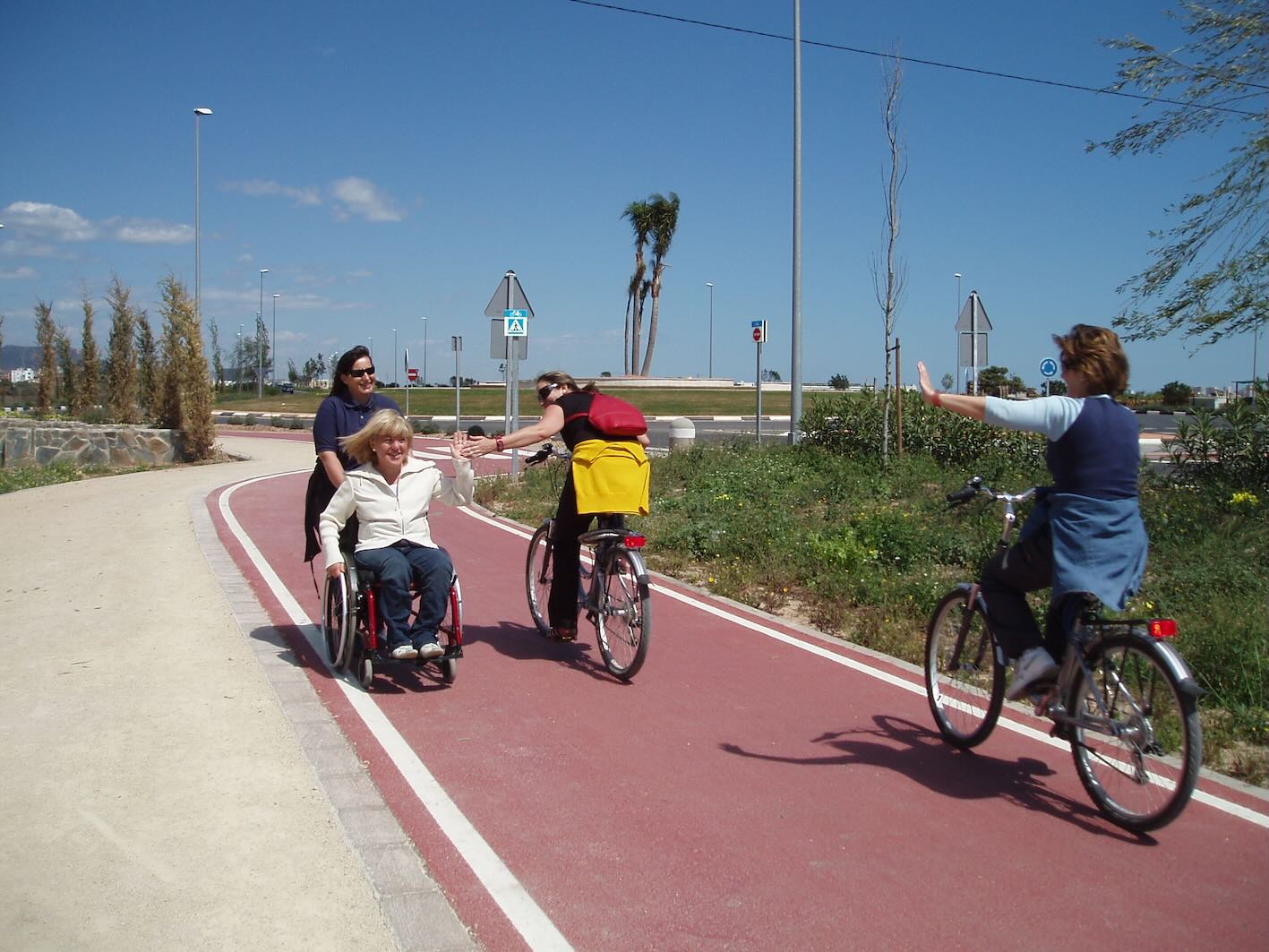
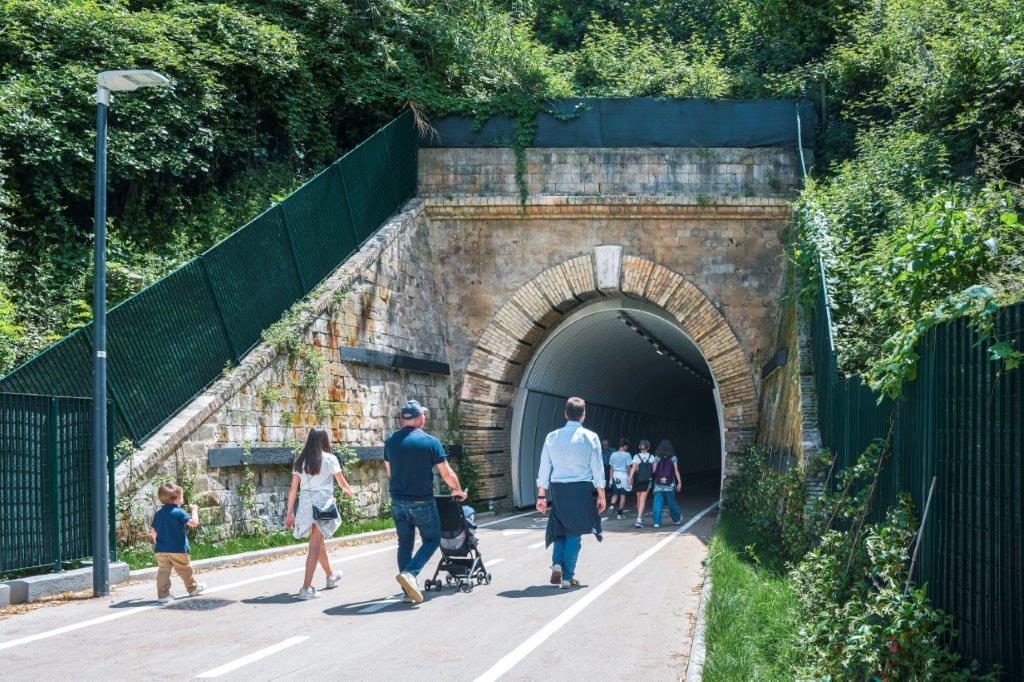
The Greenways4ALL recommendations highlight several essential design principles:
- equitable access for all users;
- independent and safe movement;
- clear and intuitive navigation;
- physical comfort throughout the journey; and
- integration with accessible tourism services and destinations.
These principles recognize that accessibility benefits everyone, not only people with disabilities. Parents pushing strollers, inexperienced cyclists, elderly visitors, and tourists carrying luggage all benefit from well-designed, obstacle-free routes.
Route Design and Physical Accessibility
The physical characteristics of the route determine whether a greenway can be used comfortably by people with different mobility needs.
The Greenways4ALL guidance recommends providing surfaces that are firm, stable, even, and non-slip throughout the route. Loose gravel, deep sand, uneven paving, or damaged sections may create significant barriers for wheelchair users, people using walking aids, and cyclists. Adequate route width should allow users travelling in opposite directions to pass safely, while gentle longitudinal gradients and limited cross slopes reduce physical effort and improve stability.
Designers should also eliminate unnecessary physical obstacles such as steps, abrupt level changes, narrow gates, bollards, or restrictive barriers that prevent access by wheelchairs, adapted bicycles, or mobility scooters. Where access control is required, solutions should balance safety with universal accessibility.
Regular maintenance is equally important. Surface deterioration, vegetation encroachment, drainage problems, or temporary obstacles can quickly compromise an otherwise accessible route.
Accessibility should therefore be viewed as an ongoing management responsibility rather than a one-time construction objective.
Accessible Facilities Along the Greenway
Accessibility extends beyond the trail itself. Visitors require a network of supporting facilities that enables them to complete their journey comfortably and independently.
Accessible parking areas should provide sufficient space for wheelchair users and be located close to trail entrances. Rest areas equipped with benches at regular intervals allow users with limited endurance to enjoy longer journeys. Benches should ideally include backrests and armrests to assist sitting and standing.
Other essential facilities include accessible toilets, drinking water points, picnic areas, viewpoints, visitor centres, and information panels. These elements should be designed according to recognized accessibility standards and positioned strategically along the route to support a variety of visitor needs.
Providing accessible services transforms a greenway from a simple recreational path into a comprehensive tourism destination capable of welcoming diverse visitor groups.
Information and Wayfinding
Accessible infrastructure must be complemented by accessible information. Visitors need reliable information before and during their journey to make informed decisions about route suitability.
Greenways should provide clear maps, consistent directional signage, understandable symbols, and readable information panels. Information should include route length, gradients, surface type, available facilities, rest areas, and potential obstacles. High-contrast colours, legible typography, and intuitive graphic design improve usability for people with visual impairments and older visitors.
Digital accessibility is equally important. Websites and mobile applications describing greenways should present accessibility information in formats that can be used with assistive technologies and should accurately describe the level of accessibility visitors can expect. Providing detailed accessibility information helps users plan independently and increases confidence before visiting the destination.
Safety and User Comfort
Safety is a fundamental component of accessibility. Greenways should provide users with a predictable, secure environment that minimizes risks while maintaining the natural character of the landscape.
Important safety considerations include good visibility along the route, clearly marked crossings, appropriate protective barriers where necessary, adequate drainage, and regular inspection of infrastructure. Vegetation should be managed to preserve sightlines while maintaining ecological value.
Comfort also contributes to accessibility. Frequent resting places, shaded sections, weather protection where appropriate, and accessible viewing areas encourage longer visits and allow users with varying physical abilities to experience the route at their own pace.
Inclusive Planning and Stakeholder Involvement
One of the key messages of the Greenways4ALL concept is that accessibility should be developed in partnership with users. Planners and managers are encouraged to involve organizations representing people with disabilities throughout planning, implementation, and evaluation processes.
Consultation with end users helps identify barriers that may not be apparent to designers and engineers. User testing of routes, facilities, signage, and visitor services provides valuable feedback that can significantly improve accessibility outcomes.
Inclusive planning also strengthens cooperation between local authorities, tourism organizations, transport providers, businesses, and community groups, creating accessible tourism experiences that extend beyond the greenway itself.
Accessible Greenways and Sustainable Tourism
Accessible greenways contribute directly to sustainable tourism by expanding opportunities for outdoor recreation while supporting local economies. When accessibility extends beyond the trail to include accommodation, restaurants, attractions, transport, and visitor services, greenways become attractive destinations for a much broader market.
The Greenways4ALL promotes the concept of accessible tourism products, where every stage of the visitor experience – from arrival and accommodation to recreational activities and cultural attractions – is designed to be accessible. This integrated approach enhances visitor satisfaction, encourages longer stays, and creates new economic opportunities for local communities while promoting social inclusion.
Accessible greenways demonstrate that inclusive design and sustainable tourism are complementary objectives. By incorporating universal design principles into route planning, infrastructure, visitor information, and management, greenways can become welcoming environments for people of all ages and abilities.
The Greenways4ALL recommendations show that accessibility is not limited to compliance with technical standards. Instead, it represents a holistic approach that combines physical accessibility, clear communication, safe infrastructure, quality services, and continuous user involvement. Greenways developed according to these principles not only improve mobility and recreation for people with disabilities but also create higher-quality experiences for all visitors, strengthening their role as inclusive, sustainable, and resilient tourism destinations.
Greenways strengthen local communities and promote inclusion of women, youth, and disadvantaged groups
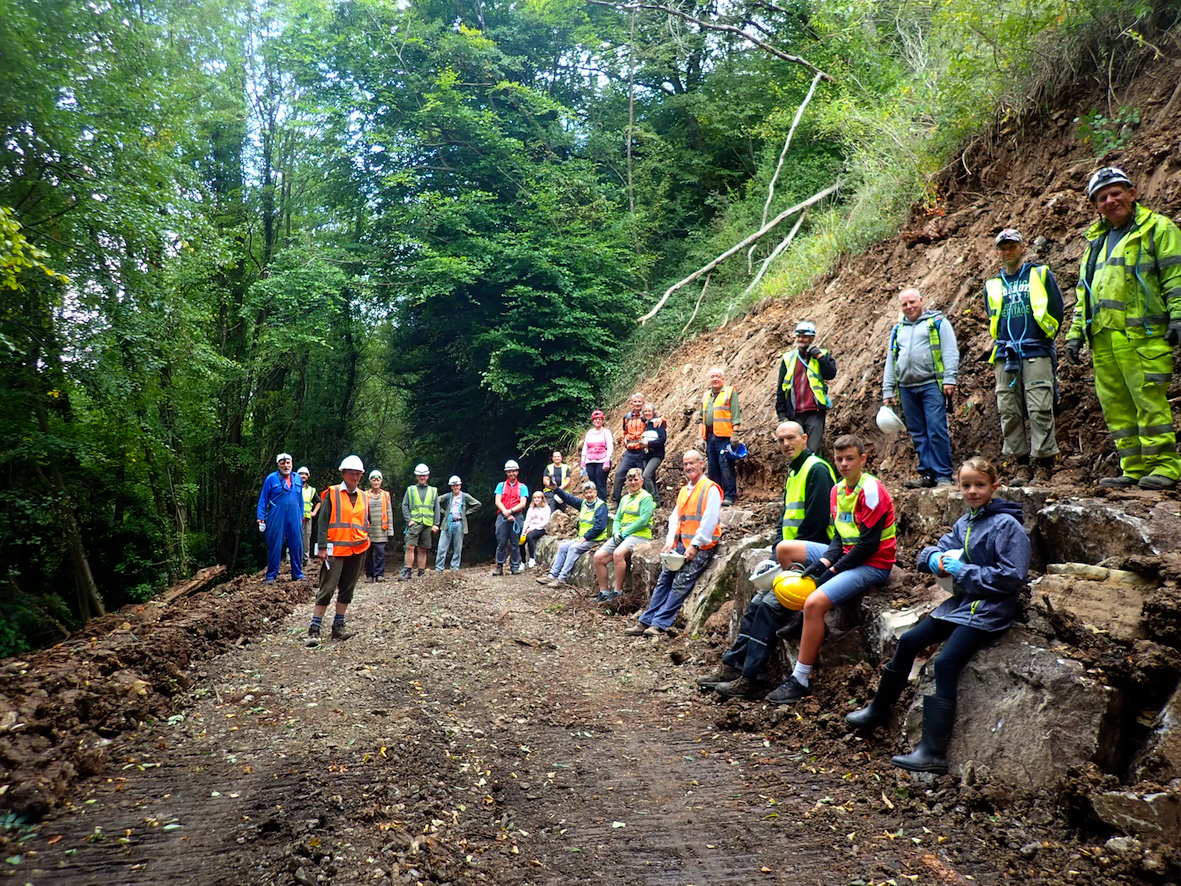
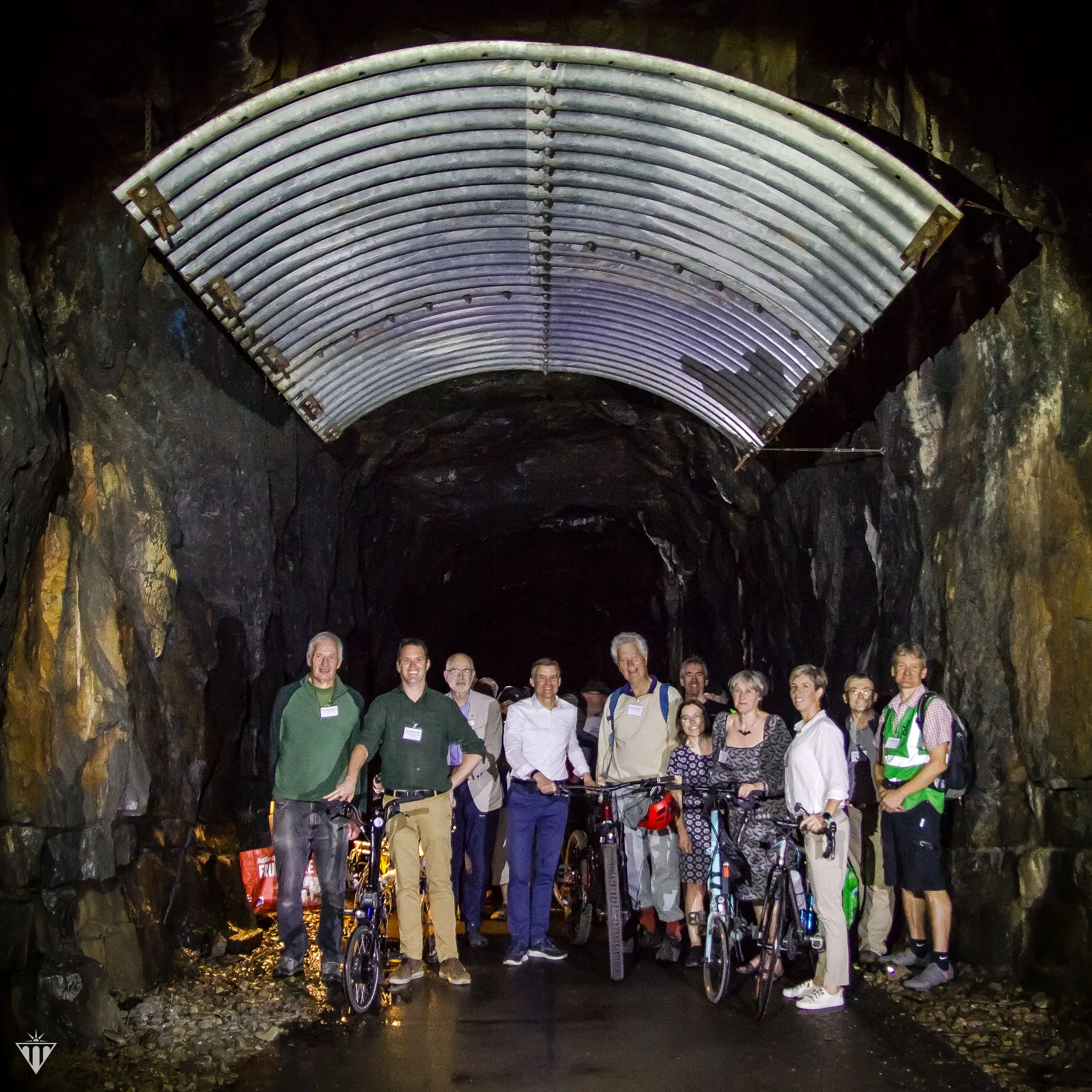
In the United Kingdom, the Greenways and Cycle Routes Ltd. uses volunteer workcamps to support the development of walking and cycling routes. Volunteers from all generations take part in activities such as building bridges over waterways, constructing abutments for road bridges, installing bat-friendly lighting in tunnels, and casting and installing new copings for railway viaducts. This approach fosters a strong sense of local ownership of the routes and helps train volunteers to develop, maintain, and manage the infrastructure in the long term.
See Greenways publications on accessible Greenways: