
 English
 Español
 Français


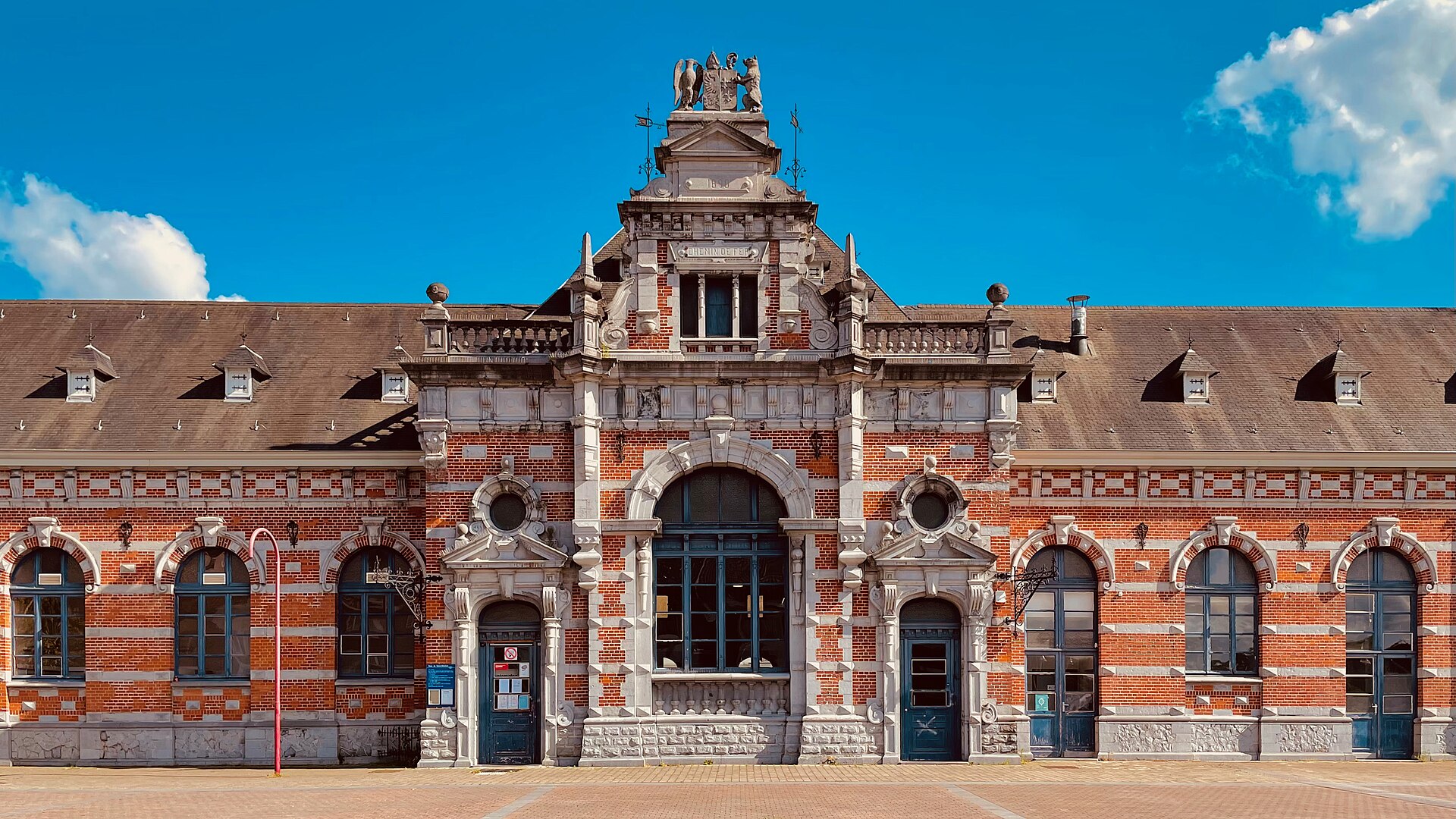
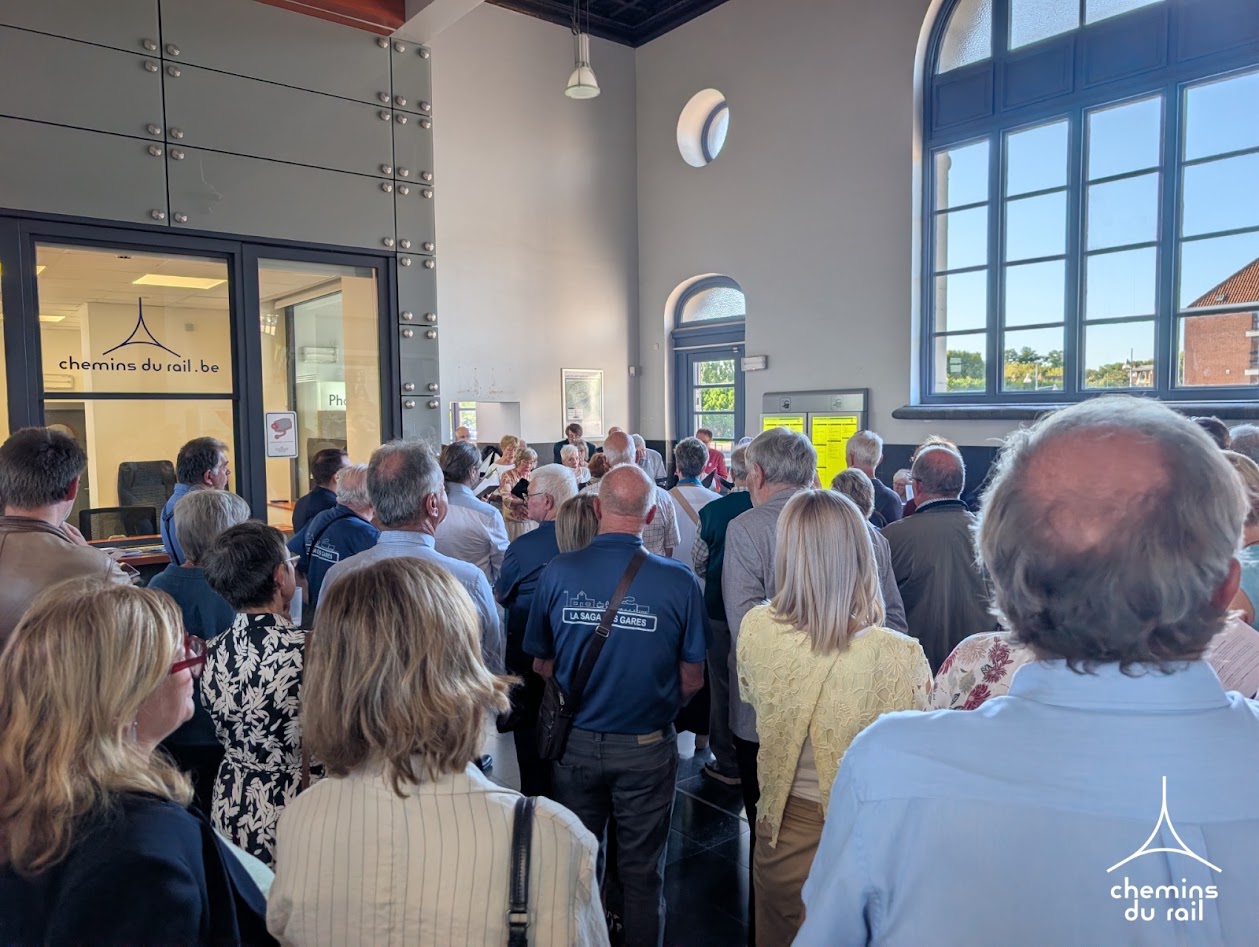
A new chapter has begun for Chemins du rail. Over the weekend of 5–6 September, the non-profit organization celebrated its 30th anniversary and officially opened its new premises at Saint-Ghislain railway station, bringing together public authorities, railway representatives, local partners and the pioneers of the organization’s early years.
text: Anne-Françoise Deleixhe
Synergy at the heart of the project
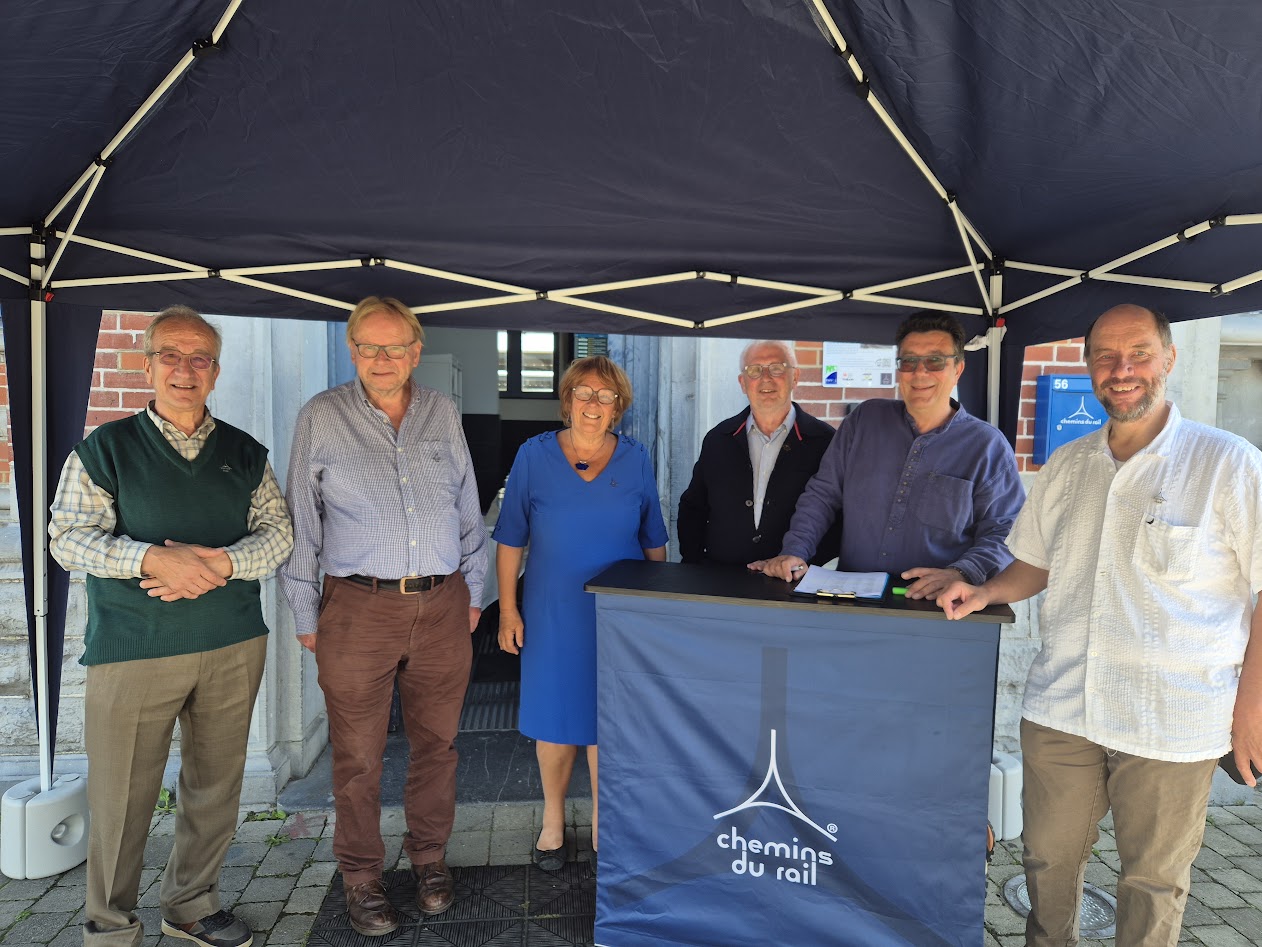
The new premises were officially inaugurated at 5 p.m. on Saturday 5 September by Jacques Botte, President of the Chemins du rail Association, in the presence of François Desquesnes, Vice-President of Wallonia responsible for Spatial Planning, Infrastructure, Mobility and Local Authorities; Valérie Lescrénier, Minister for Tourism, Heritage and Early Childhood; Florence Monier, Mayor of Saint-Ghislain; and Tanguy Verheyen, Head of Commercial Activities and Property Development at SNCB, Belgian Railway Company.
Also present were Gilbert Perrin and Alfred Diricq, two visionary figures who pioneered the rehabilitation of disused railway lines and helped lay the foundations for the work carried out by Chemins du rail today.
For an organization dedicated to developing the RAVeL greenway network and preserving and promoting former railway lines, there could hardly be a more fitting place to establish its headquarters than a railway station.
“Transforming these former railway lines into RAVeL routes is not simply about preserving these paths. It is about breathing new life into a region, and above all, creating routes for active mobility and encouraging safe everyday travel,” President Jacques Botte said in his opening address.
The move was made possible by SNCB’s “Life at the Station” initiative, which seeks to bring railway buildings back into use and give them a new lease of life.
A station looking to the future
With its distinctive Flemish Neo-Renaissance architecture, Saint-Ghislain station is a place steeped in history while also looking firmly toward the future. It is a natural transport hub where trains and buses meet—and, hopefully, soon, two additional sections of the RAVeL network: Line 98C, linking Hornu and the MAC’S museum with the station, and Line 247, extending toward Tertre and Baudour.
For Chemins du rail, the station is therefore much more than a new address. It represents a meeting point between railway heritage, sustainable mobility, tourism and local development.
The organization is also keen to emphasize that its work is not carried out in isolation. New partnerships and synergies are being developed with local stakeholders, including Visit Saint-Ghislain, the station buffet and the PFT’s “Retrotrain” Museum, dedicated to railway heritage and tourism.
Other initiatives are also taking shape through the “Bienvenue Vélo” (Welcome Cyclists) label and the “Saga des Gares” (Railway Station Saga) project.
Bringing railway history back to life
With SNCB’s support, Chemins du rail is gradually rolling out a new series of “Di Bond” information panels along the RAVeL routes and at railway stations.
Each panel provides information about the location, together with an old photograph showing the site as it once was. A QR code gives visitors access to a wealth of additional historical information, allowing them to discover the story of the railway and the surrounding area as they explore.
In this way, former railway infrastructure becomes more than a preserved relic of the past: it becomes a living part of the region’s heritage and an invitation to discover it on foot or by bicycle.
A new chapter begins
The celebrations continued on Sunday, when around one hundred people took part in a walk between Saint-Ghislain and Baudour and discovered the new “Di Bond” panels installed along Line 98.
The anniversary marks an important milestone for Chemins du rail, but also the beginning of a new phase in its development.
Congratulations to President Jacques Botte and his team on 30 years of work. May Chemins du rail continue to thrive and promote a new vision of mobility—one that serves everyday journeys while bringing together tourism, heritage and sustainable transport, in close cooperation with public authorities and local partners.
More information: cheminsdurail.be
Photo of the station: Wikimedia Commons, fot. Japplemedia