
 English
 Español
 Français


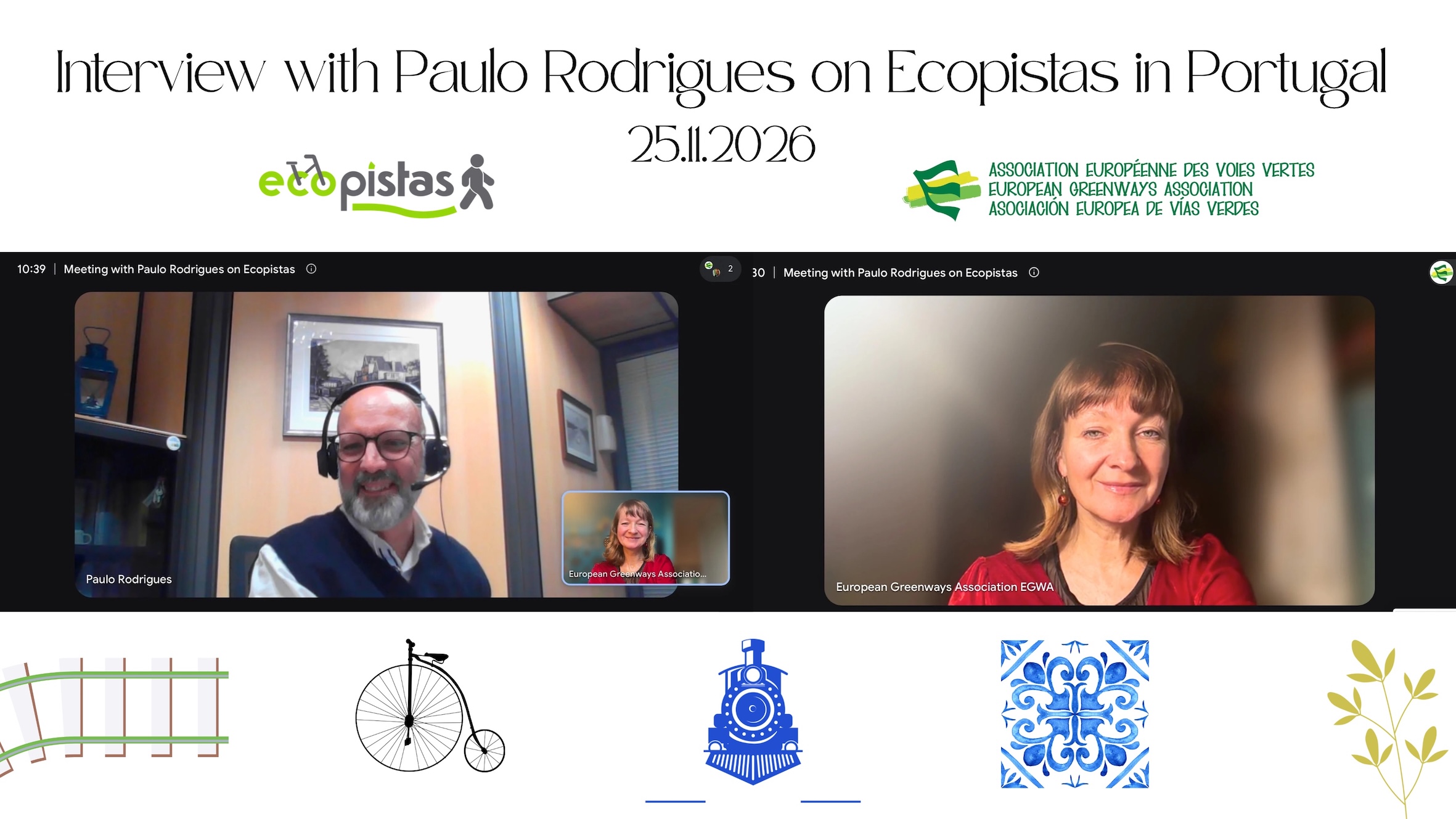
How Can Greenways Preserve Railway History and the Collective Memory of Local Communities?
An Interview with Paulo Rodrigues, Head of the Greenways and Historical and Cultural Heritage Unit at IP Património, Portugal
By Dominika Zaręba
When I think of greenways in Portugal, I imagine countless stories waiting to be told. I picture peaceful, scenic, heritage-rich trails that transform former railway lines into long-distance routes for slow and sustainable travel across the country. History, heritage and their interpretation are among the features that distinguish Portuguese Ecopistas.
Behind every greenway lies a story of railway tracks, stations, halts, railway workers, women and men, and communities for whom the railway was an essential part of everyday life for decades. These are stories of people, economic and social development, encounters and departures – stories that must not be forgotten.
It is precisely this connection between the past and the future that gives my work with greenways its greatest meaning. Restoring these infrastructures, bringing them back to life and making them accessible to local communities is a way of enhancing the value of our territory, promoting sustainable tourism and creating new opportunities for local people.
When we visit certain places, particularly small villages where trains stopped running several decades ago, and talk to some of the older residents, we hear wonderful stories about the railway and what life was like back then. I simply love sitting down and listening to these people’s stories. You know, it’s all about the community and its memories. If we lose these stories, we lose our way.
What is the history and background of abandoned railways in Portugal?
In Portugal, the 1970s and 1980s were marked by a declining ability of local territories to sustain the economic livelihoods of their resident populations. This led to significant migratory movements as people sought better living conditions, with far-reaching consequences in terms of population ageing and decline, particularly in predominantly inland areas and regions with low population density.
The rationalisation of railway operations, combined with competition from private and public road transport services and substantial investment in motorway construction, led to the closure of passenger and freight services on several railway lines. These closures were justified on the grounds that the lines were unprofitable, resulting in the gradual deterioration of the decommissioned railway corridors, the loss of the distinctive character of railway heritage, and the erosion of local railway memory. Consequently, the infrastructure became increasingly vulnerable to vandalism, theft and even unlawful occupation.
Was it Infraestruturas de Portugal that initially took responsibility for managing this infrastructure and encouraging to turn some of them into greenways?
As most of these decommissioned railway corridors pass through rural areas, natural landscapes or areas of significant scenic interest, Infraestruturas de Portugal initiated the process of establishing the National Greenways Plan (Plano Nacional de Ecopistas) in 2001, together with the national and European brand “ECOPISTAS”, registered with the EUIPO (European Union Intellectual Property Office).
This initiative made it possible to reuse decommissioned railway heritage corridors and adapt former railway trackbeds, transforming the most suitable sections into non-motorised recreational routes, known as greenways. This approach has since become widespread in several European countries. The programme was also inspired by earlier initiatives in Spain and Belgium.
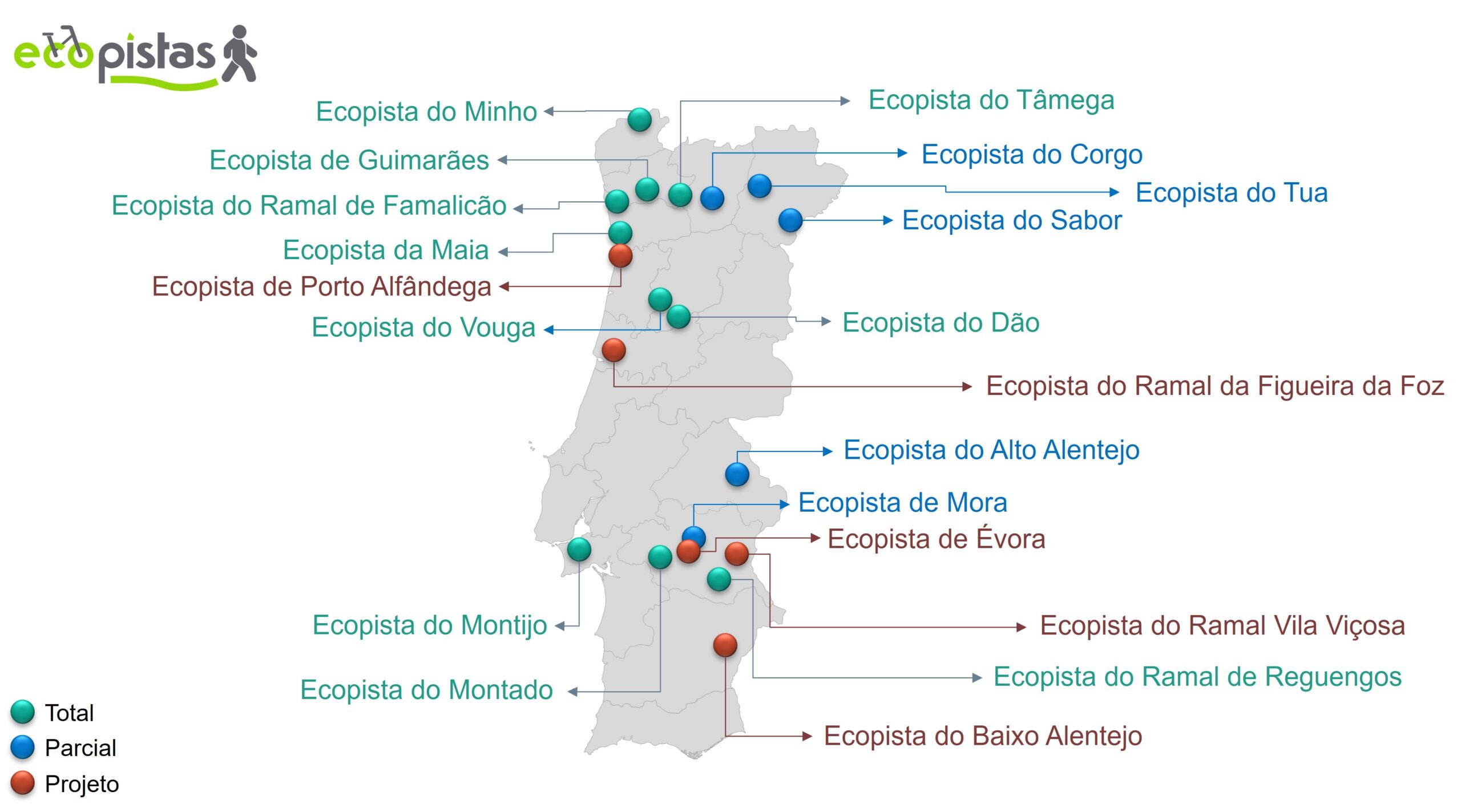
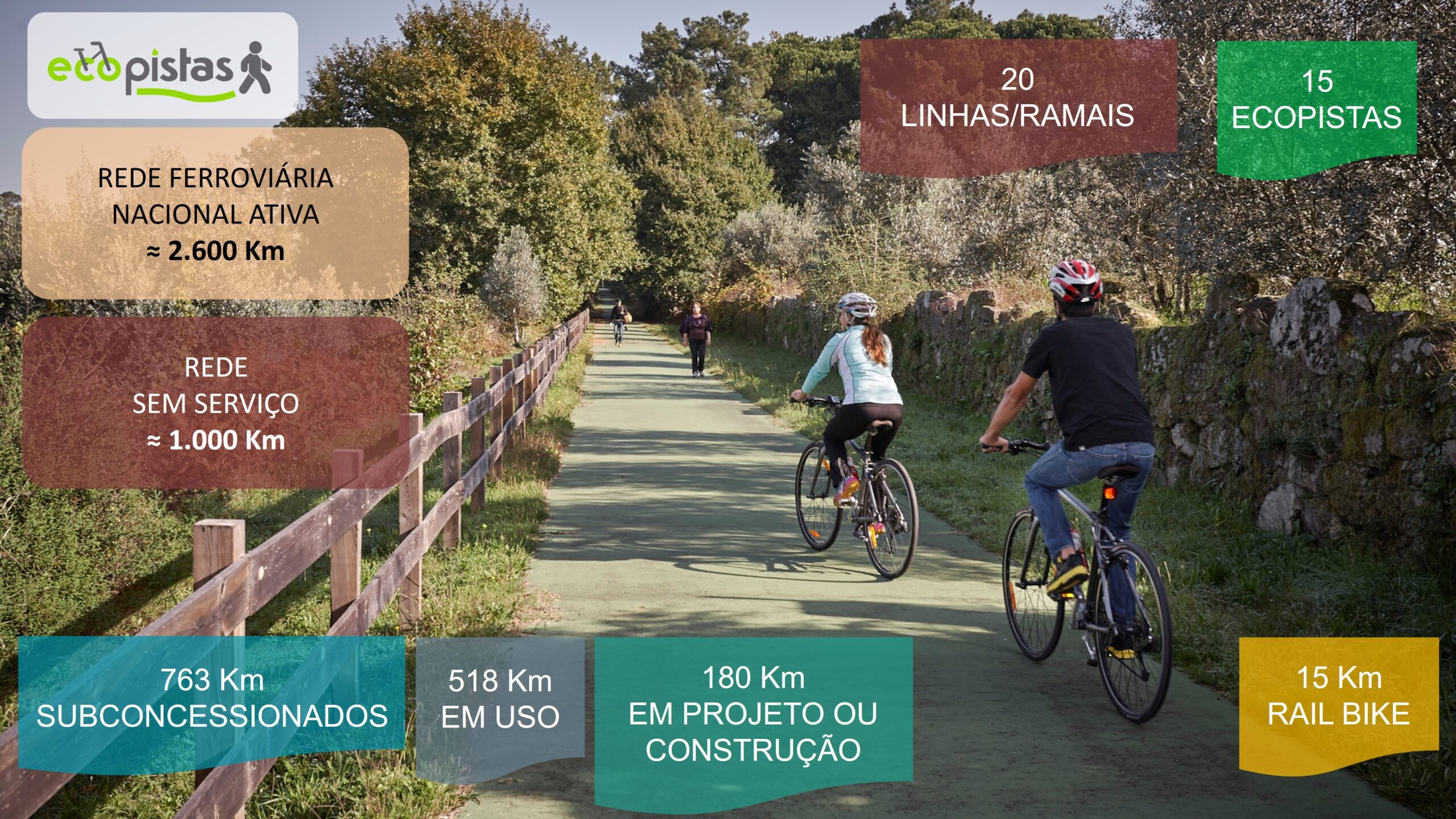
The network of ecopistas comprises 15 greenways running along 20 former railway lines, with a total of 518 kilometres currently in operation. These greenways are developed and maintained by municipalities and intermunicipal associations. Could you explain in more detail how this works in practice?
Local authorities and intermunicipal communities play a vital role in the development of greenways in Portugal. They are key players in transforming former railway infrastructure into spaces that promote sustainable mobility, leisure, tourism and the appreciation of local heritage and landscapes.
The restoration and conversion of former railway lines into greenways means much more than simply creating walking and cycling routes. Above all, it offers an opportunity to return to communities a heritage that is deeply rooted in their collective memory, preserving railway history and ensuring that it continues to serve local communities and future generations.
In this process, the responsibilities of local authorities extend far beyond the construction or upgrading of these routes. They are responsible for identifying opportunities, bringing stakeholders together, building partnerships, ensuring the long-term maintenance of the infrastructure and creating the conditions for greenways to become genuine public spaces – safe, accessible and fully integrated into the lives of local communities.
It is also important to recognise that a greenway should not be seen as a project that ends on the day it is officially opened. In fact, that is when the real challenge begins. Ensuring its long-term success requires ongoing attention to maintenance, signage, cleanliness and safety, as well as the development of initiatives and activities that encourage people to use these routes throughout the year.
I remember that we once talked about azulejos as iconic examples of Portuguese heritage. What do azulejos have in common with greenways?
At first glance, they may seem to belong to two very different worlds: traditional Portuguese tiles (azulejos), associated with our history, architecture and cultural and railway heritage; and greenways (ecopistas), linked to sustainable mobility, leisure, nature and the appreciation of our territory.
But, in fact, they have much more in common than we might think.
Both tell stories. Azulejos bear witness to different eras, ways of life, traditions and generations that have left their mark on the walls of railway stations. Ecopistas are also places of memory, where trains once ran and people, goods and dreams travelled.
Both represent heritage that deserves to be preserved, valued and passed on to future generations. Azulejos bring back the beauty of the past, while ecopistas give a new purpose to infrastructures that are deeply rooted in our collective memory.
There is another connection, too: both transform places and bring people together. A tile panel can tell the story of a community; an ecopista can reveal the story of a region, its people, its landscapes and its development.
Azulejos preserve memories on walls. Ecopistas preserve memories along paths.
One invites us to stop and admire, while the other encourages us to walk, cycle and explore.
Ultimately, both remind us that heritage should not be frozen in time. It should be cared for, experienced, shared and reinvented.

I can imagine those railway stations decorated with azulejos…
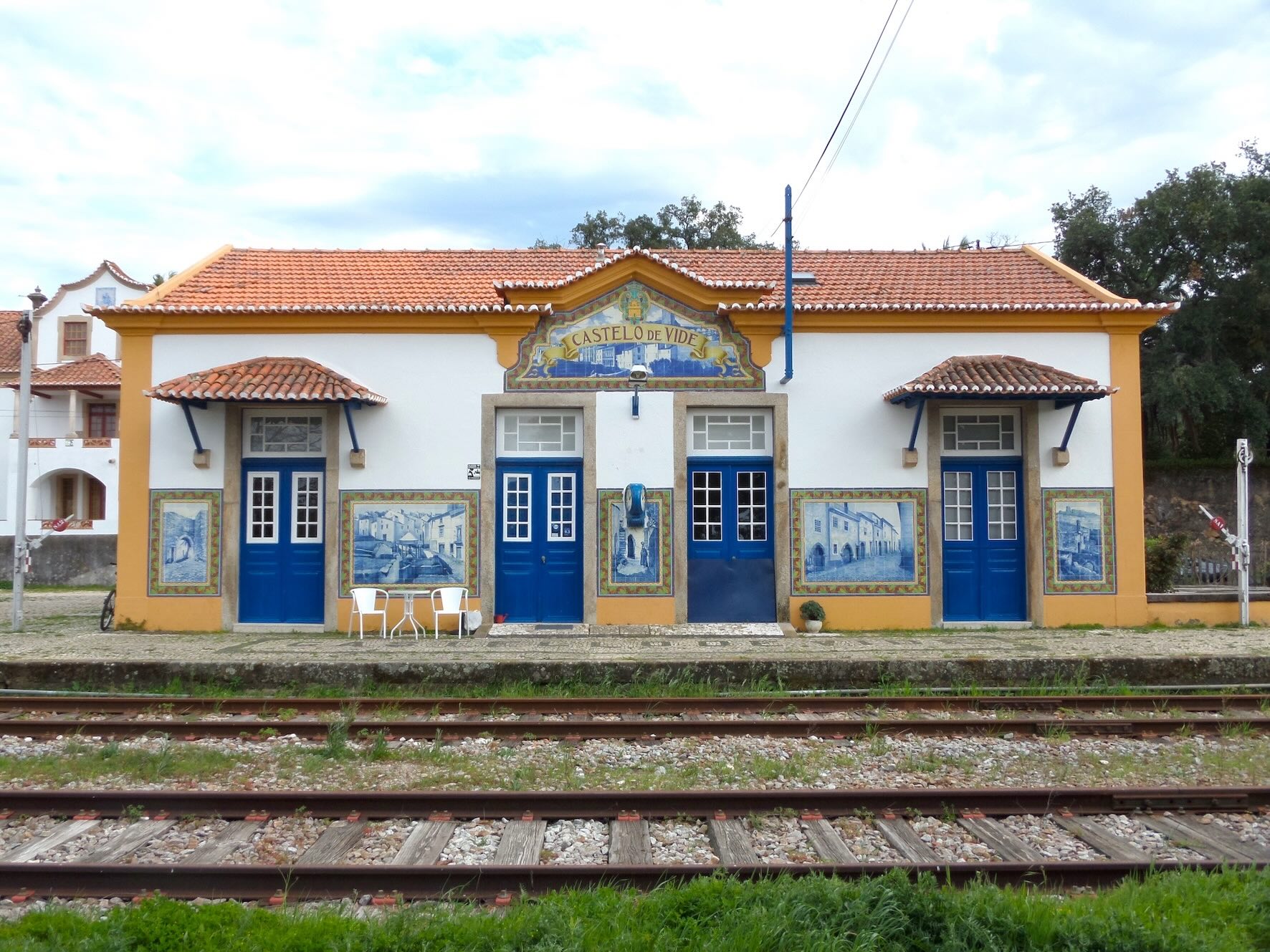
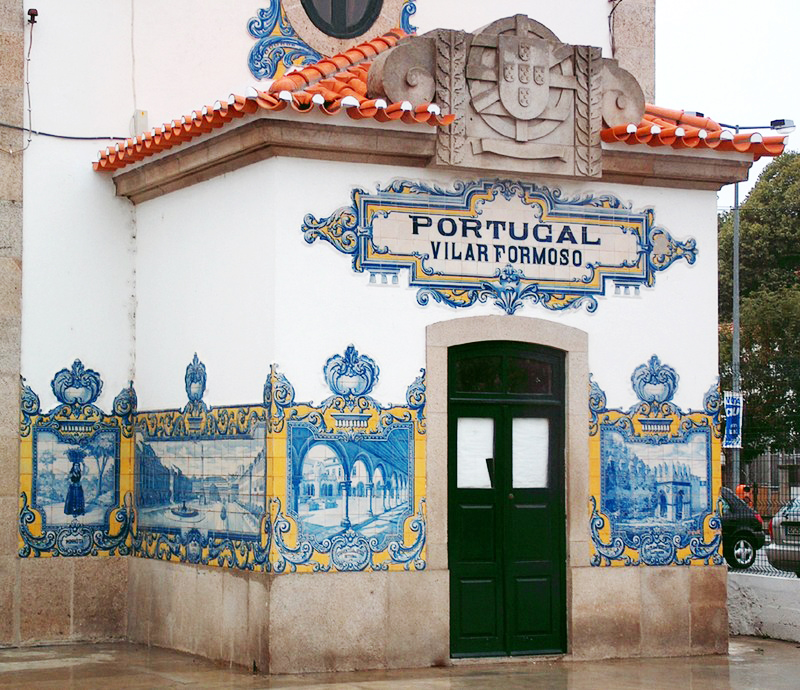
Yes, particularly those located near the Portuguese border, such as Vilar Formoso, Marvão-Beirã and Elvas. These tiles often feature scenes depicting traditional Portugal. This is because these stations were once considered the gateways to Portugal.
When a train arrived from Spain and stopped at the first Portuguese station, the locomotive had to be changed. In the past, this process could take one or even two hours. Passengers would get off the train, and while they waited, they could explore the station. The Portuguese railway stations were decorated with beautiful azulejos all around.
So, for foreign visitors arriving in Portugal by train, their first experience of the country was, in a way, discovering Portugal through the scenes depicted on the station walls. It was very beautiful.
Could you give us an example of a railway station that has been successfully restored and given a new lease of life?
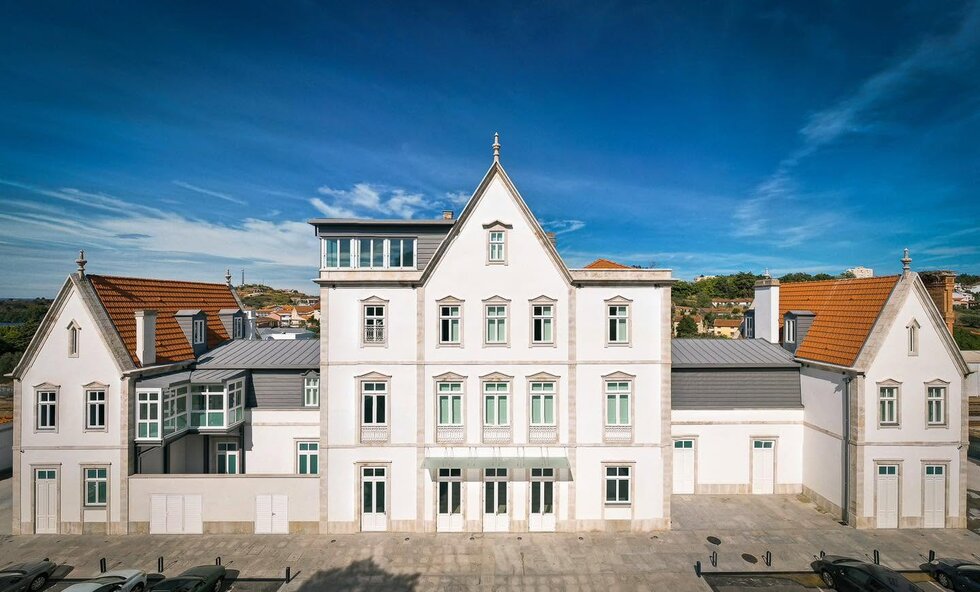
I can tell you about the most recently renovated one: Mirandela railway station. It is a very special place, particularly because it is the only railway station in Portugal with this particular architectural design. Most railway stations followed very similar designs, which were replicated across the country. This one, however, is unique.
Today, the station has been restored and transformed into an arts centre, featuring exhibition galleries and a small museum. It belongs to the municipality and provides an excellent example of how former railway buildings can be given a new purpose.
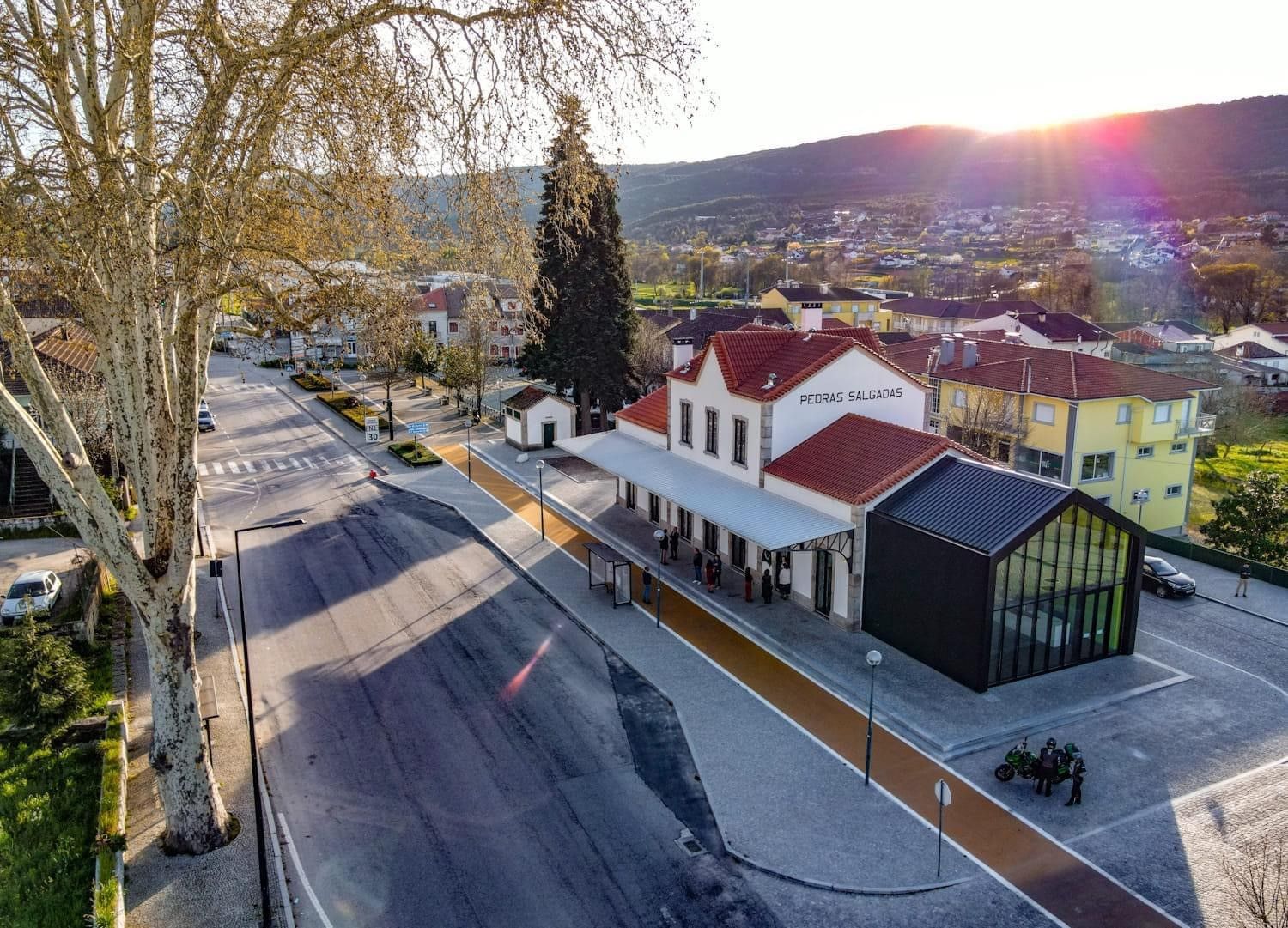
The station is also located just two kilometres from a greenway: the Tua Greenway, which follows the route of the former Tua railway line.
When we invite private investors or local communities to restore and reuse these buildings, we make it clear that they are welcome to give them a new purpose, but they cannot alter their original architectural structure. What we want is to preserve the memory of the railway and its importance to the local area.
When we transform former railway lines into greenways and restore the railway buildings, we also have a responsibility to preserve their history.
What is your personal story behind greenways and your work on the Ecopistas?
My connection with greenways, as a railway employee since 1996, stems from my close relationship with the territory, the memory and history of railways in Portugal, as well as from a need identified by IP Património, which invited me to help address it.
Greenways represent much more than the transformation of former railway lines. Above all, they offer a way of preserving the memory of a heritage that forms part of our collective identity.
I feel it is particularly important that this work should go beyond the physical restoration of former railway corridors. It is essential to preserve their identity, bring their history to life and pass on to future generations an understanding of the important role they played in the country’s development.
Greenways are an excellent example of how we can turn a legacy from the past into an opportunity for the future. It is this continuity between what we once were and what we aspire to become that makes this work so meaningful and rewarding.
Ultimately, greenways show us that a railway line may stop carrying trains, but it never stops carrying stories.
What is your dream for greenways in Portugal and across Europe?
My dream for greenways (ecopistas), both in Portugal and across Europe, is for them to become much more than just routes for walking or cycling. I would like to see them evolve into true corridors connecting people, communities, cultures, regions and generations.
I would like to see a genuine commitment to restoring and connecting existing routes, closing gaps and ensuring better conditions for users in terms of infrastructure, signage, maintenance and accessibility. No greenway should be left isolated. One day, I would love to see a fully connected network that allows people to travel seamlessly between routes and connect with other cycling and walking networks.
At the European level, my dream is for different countries to share a common vision of sustainable mobility, responsible tourism and the appreciation of our heritage.
I believe greenways also represent an extraordinary opportunity to address the isolation of rural areas, boost local economies, promote local tourism and preserve the memory of infrastructure that has played an important role in our history.
Ultimately, my dream is for greenways to become a legacy from the past that serves the future.
Thank you Paulo, it was very inspiring!
Lisbon – Kraków, November 2026