English
 Español
 Français


EGWA’s Contribution to the European Sustainable Tourism Strategy
>>> read the full document – with EGWA Statement
Introduction
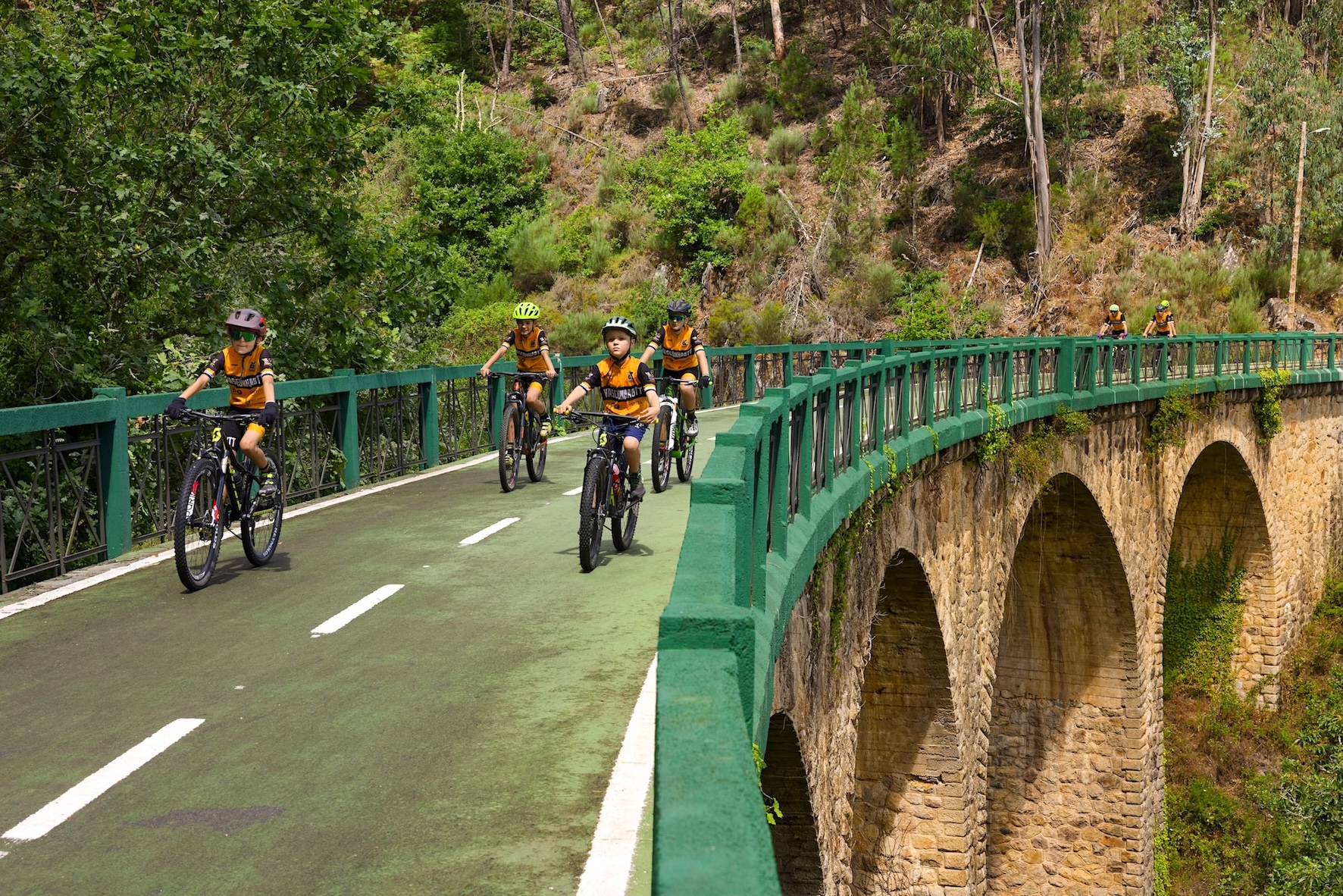
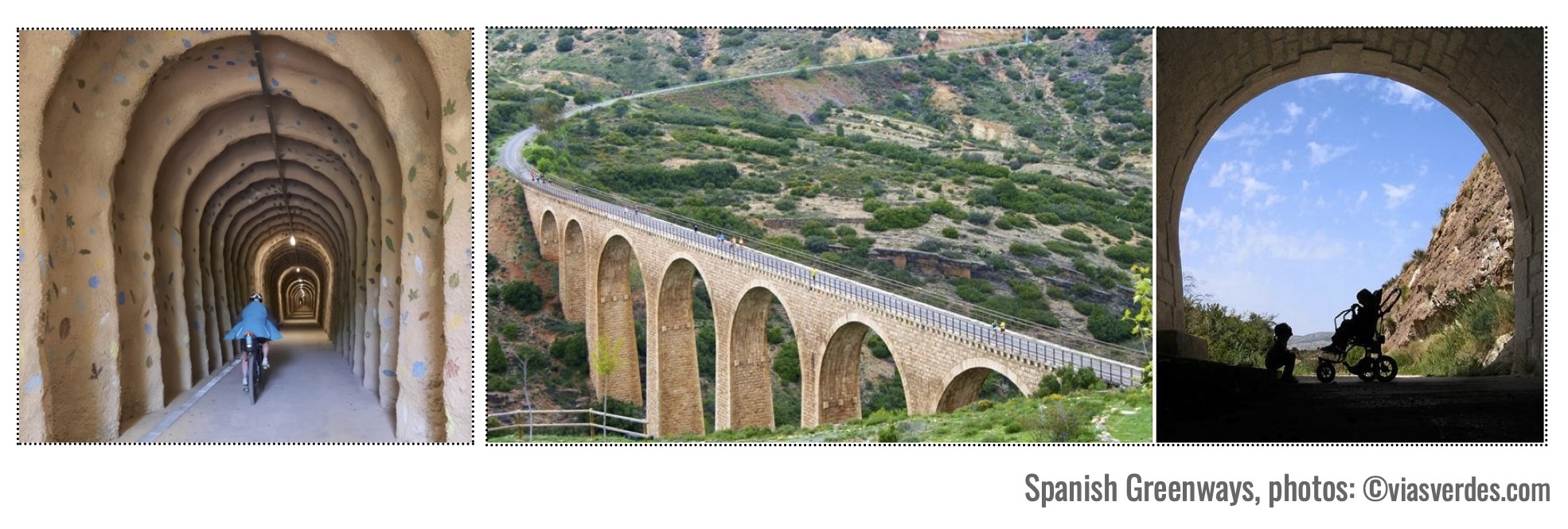
Greenways are communication routes reserved exclusively for non-motorised travel, developed in both urban and rural areas across Europe. By reusing disused or “recycled” infrastructure—such as former railway lines, towpaths, and historic heritage trails, including industrial heritage—they respond to increasing social demands, including access to nature and culture, ecotourism andactive tourism, healthy outdoor leisure, and sustainable mobility, while contributing to the fight against climate change.
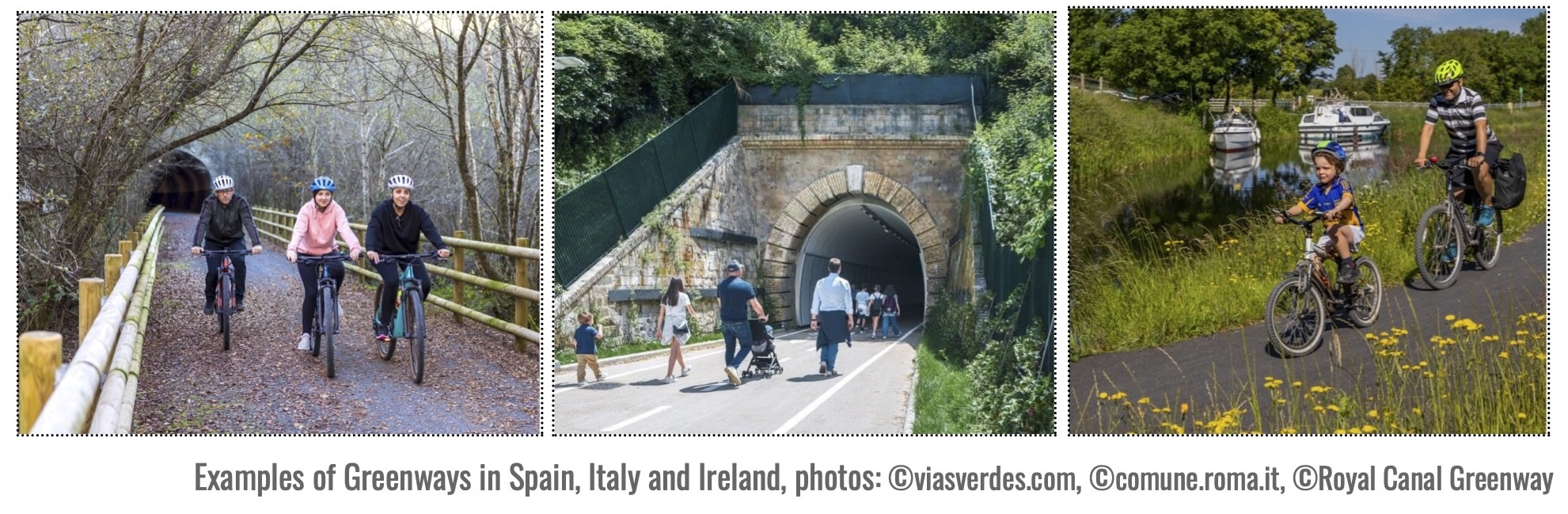
Greenways provide safe and user-friendly routes for cycling, walking, running, wheeling, and other non-motorised activities, and are accessible to users of all ages, abilities, and capacities. In some regions, greenways running along rivers also offer opportunities for zero-emission, water-based travel, while in other parts of Europe, particularly during winter, they can be used for cross-country skiing or sledding (1).
Functioning as green corridors, greenways enhance both the environment and the quality of life in the areas they traverse, promoting sustainable development and healthy lifestyles while providing a framework for community-based initiatives. They connect rural and urban areas and create numerous opportunities for cooperation between municipalities and communities, including in cross-border contexts.The European Greenways Association (EGWA) was established in 1998 to encourage the creation and promotion of greenways across Europe. It brings together nearly 50 organisations and institutions from 16 European countries, all committed to promoting greenways for active mobility, sustainable tourism, and healthy leisure for all types of users. Since 2003, EGWA has organised the European Greenways Award every two years, recognising outstanding greenways in the categories of excellence, exemplary initiative, and green transition.
How can greenways contribute to the European Sustainable Tourism Strategy?
1/ Greenways provide green infrastructure for sustainable transport, travel, and mobility
2/ Greenways help address climate mitigation and environmental protection
3/ Greenways support green transition in tourism sector and support local entrepreneurship
4/ Greenways strengthen local communities and promote inclusion of women, youth, and disadvantaged groups