 English
 Español
 Français


Cycling Tourism and Greenways in Czechia – interview with Daniel Mourek, Member of the Executive Committee of the European Greenways Association and one of the founders of Greenways in Central Europe
by Dominika Zaręba
What are the key elements of success in developing a cycling tourism product and becoming a “cycling tourism destination”?
Cycle tourism can flourish in countries that offer interesting landscapes combined with rich culture and varied nature—and which country in Europe cannot fulfil these basic criteria? Of course, it requires comfortable and safe infrastructure, high-quality services for cyclists, and good connectivity with public transport, which is again one of Europe’s strengths. We should be more proud of our continent, especially in these challenging times. Discovering Europe is fascinating, particularly by bike, when you can truly experience the countryside.
Bikes will take you to places you would not otherwise be able to visit, such as along the Iron Curtain Trail, for example, and through parts of Europe that were divided for decades. Generally, cycle tourism destinations are also cycling-friendly countries where cycling is supported as an everyday activity. With longer and shorter breaks, people want to enjoy the closeness of the trail. As in all tourism promotion, your destination must already be present in the mental map of visitors. In this respect, our part of Europe is somewhat disadvantaged, but it is rapidly catching up.
How about Czechia? How would you describe the phenomenon of cycling tourism in your country?
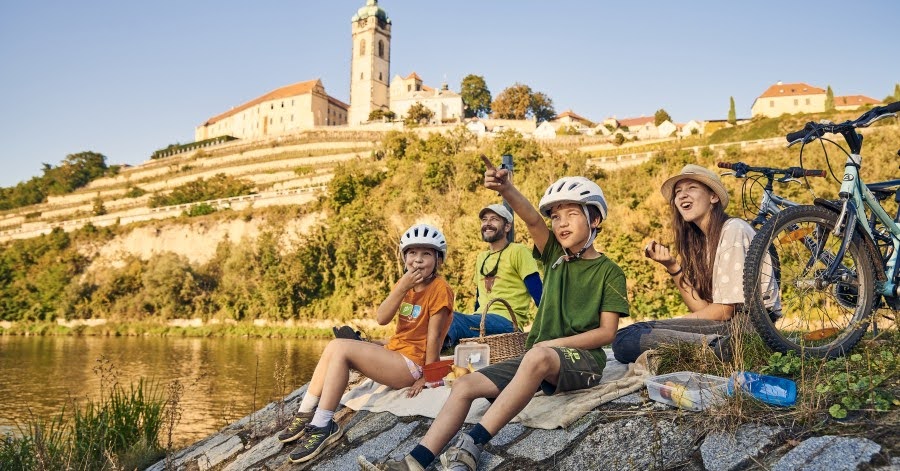
The country’s topography is very diverse, ranging from flat landscapes to mountains surrounding the entire country, with numerous rivers and a growing popularity of river-based cycling routes. There is a network of around 40,000 km of signposted cycling routes, including 2,100 kilometres of EuroVelo routes.
There are around 20 top long-distance cycling routes in Czechia, although there is still a need to develop stronger brands in cycling tourism, including themed routes, storytelling, and greenways; a network alone is not sufficient for effective marketing.
What are the best cycling trails and greenways in Czechia?
The oldest long-distance cycling route is the Prague–Vienna Greenways, which recently celebrated its 30st anniversary. It is a popular cultural route connecting two major European capitals and offering romantic towns and unspoiled nature. However, due to the topography and limited investment in this trail, other routes have gained greater prominence.
The most important long-distance trail is undoubtedly the Elbe Cycle Route (Labská stezka – Elberadweg), which is also one of the most popular cycle routes in Germany. The coordinated marketing of this 1,270 km-long route is, in my view, a major success story in the region. River-based cycling routes have a special appeal: they are generally accessible to leisure cyclists and offer beautiful scenery, changing landscapes, and opportunities to enjoy local food and wine.
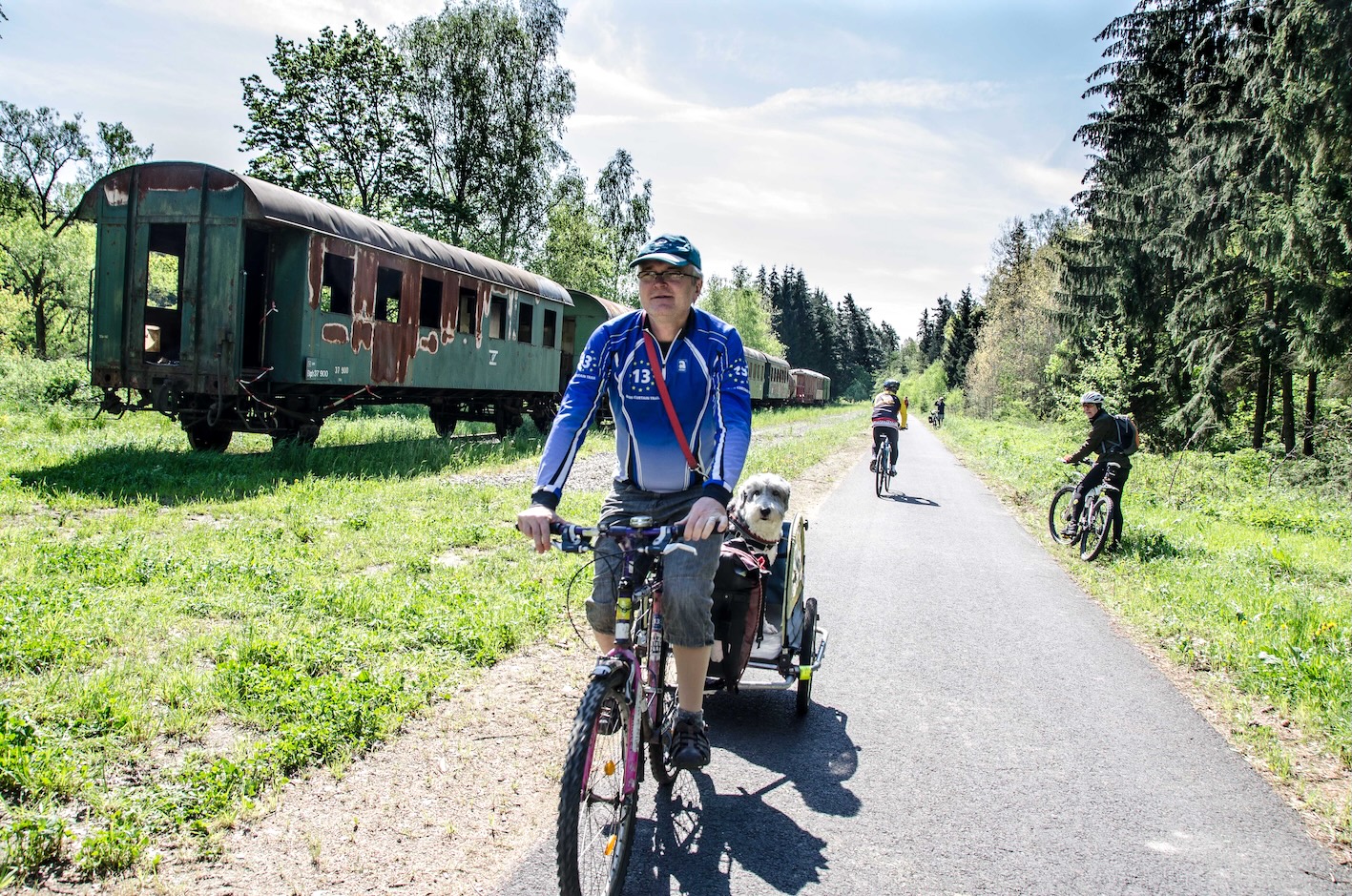
Significant investments are also being made in the Iron Curtain Trail (EuroVelo 13), which runs for almost 900 km along the Czech–Bavarian and Austrian borders. Although the entire route in Czechia is more suitable for experienced “explorer-type” cyclists, the Moravian section is family-friendly and includes many monuments commemorating formerly divided countries. South Moravia is a popular destination for cycling and wine tourism, attracting visitors from Poland in particular, and is also known for its spas and rich architectural heritage.
Do you think that cycling contributes to sustainable tourism development?
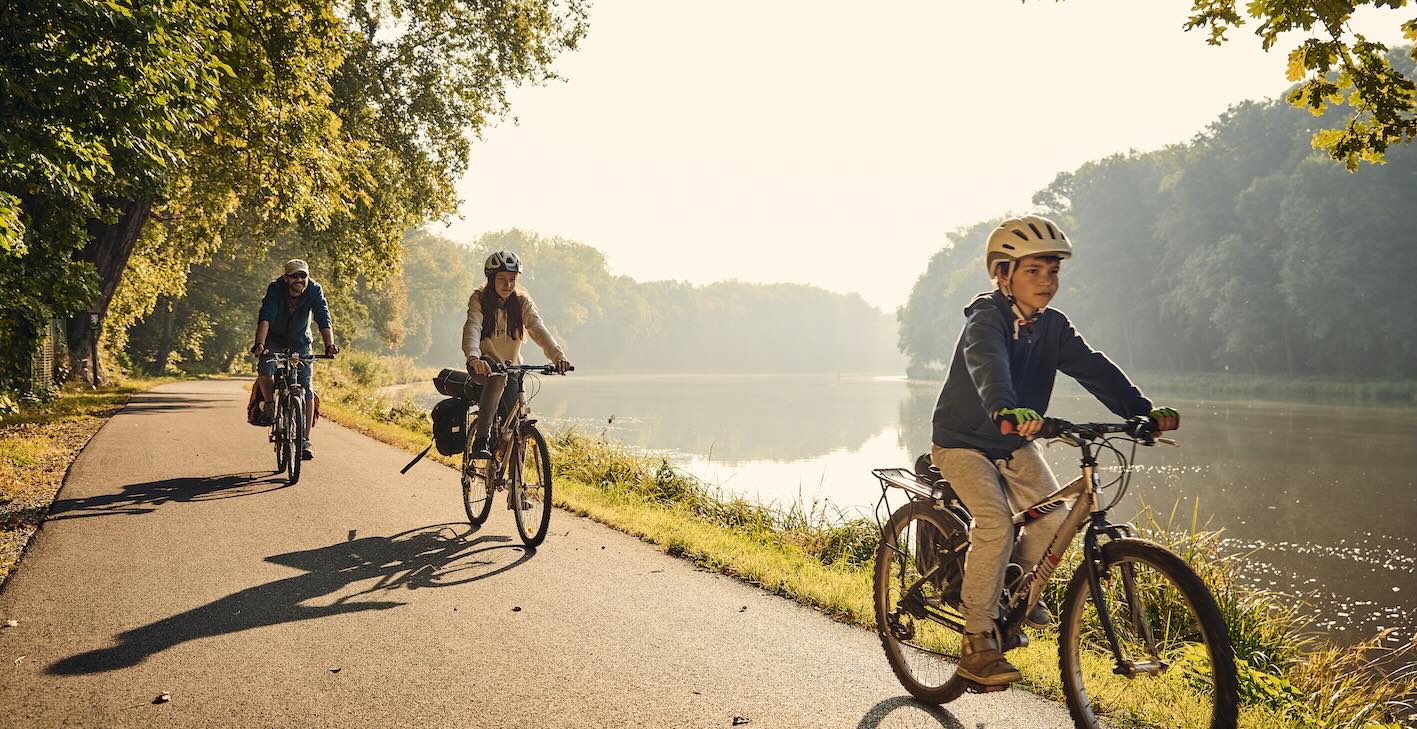
Absolutely! Usually, the journey to and from the chosen destination is associated with the highest level of pollution, particularly air travel. According to data from the Elbe Cycle Route, about one-third of cycle tourists arrive or depart by train, and many travel the entire route entirely by bicycle.
Cycling tourism is closely linked to the discovery of nature, mostly along designated infrastructure (although different patterns may apply to mountain biking, where well-developed single trails help minimize environmental impact). Cycle tourists tend to stay in family-run guesthouses, interact with local populations, and enjoy local cuisine. After covering a certain number of kilometers, they often spend more than average tourists.
Average daily spending by cycle tourists on major routes is around EUR 70–80. Along the Elbe Cycle Route, tourists stay for an average of nine days, mainly in regions outside traditional coastal or mountain destinations. A recent study on the economic impact of the Elbe Cycle Route in the Hradec Králové Region estimated that cycling tourism contributes around EUR 4 million to the local economy.
Cycling tourism is not only sustainable in terms of transport mode, but also economically beneficial. Its impact on flora and fauna can be minimized through careful route planning and appropriate surface selection. However, since cyclists generally move faster than hikers, they may have a somewhat greater spatial impact on wildlife habitats along the routes.
Why do you cycle and promote cycling?
Cycling is a passion and a bicycle is a true friend. I started cycling when I was 3, I had my first accident when I was 5 and I still remember what I did wrong and learned a great lesson. It is the most efficient machine ever invented; 200st anniversary of the bicycle was celebrated in 2017 in Germany and worldwide. It’s so simple but at the same time a genius invention. While driving a car you have to move the ton + of the vehicle itself and most energy is spent on this activity. Bicycles usually weigh less than 20 kg and they carry up to 200 km (great potential of cargo bikes in city logistics). But cycling can not be promoted as a cheap and sustainable mode of transport but rather as a lifestyle and statement and I do care about my community, my town, about the planet. And nowadays, it is by far the fastest means of transport in our congested cities. Bicycles are changing the face of cities across Central Europe. In recent years, I have started guiding cycle tourists in Prague, demonstrating how bicycles can help address overtourism in popular destinations by enabling visitors to discover the hidden gems of this medieval city.
And what is your dream about cycling and greenways in Europe and Czechia?
I wish to see the European network of EuroVelo and Greenway routes completed. Personally, I want to one day cycle the entire European network of 17 EuroVelo routes connecting our continent with my daughter, who is turning 7 these days…
Thank you Daniel!
Photos: Martin Spelda Partnerstvi o.p.s.
More information:
www.cyklistevitani.cz, czechiabybike.com
www.labska-stezka.cz or www.elberadweg.de
Daniel Mourek has been active as Central and Eastern European Greenways Coordinator at the Czech Environmental Partnership Foundation (Nadace Partnerství, Prague), under the Environmental Partnership Association (EPA) umbrella, for more than a decade. He was also Vice-President of the European Cyclists’ Federation and a member of the EuroVelo Council (www.ecf.com), and is currently a Steering Committee member of the European Greenways Association (www.aevv-egwa.org).
At the national level, he manages EuroVelo and long-distance cycling routes and greenways (such as the Elbe Trail, Prague–Vienna Greenways, the Iron Curtain Trail, and EuroVelo routes) in the Czech Republic and Central and Eastern Europe. He is also a member of the Prague Cycling Committee.
His background is in sustainable tourism development. He studied at the Prague University of Economics and Business (tourism) and at the University of Bern (sustainable tourism development).