 English
 Español
 Français


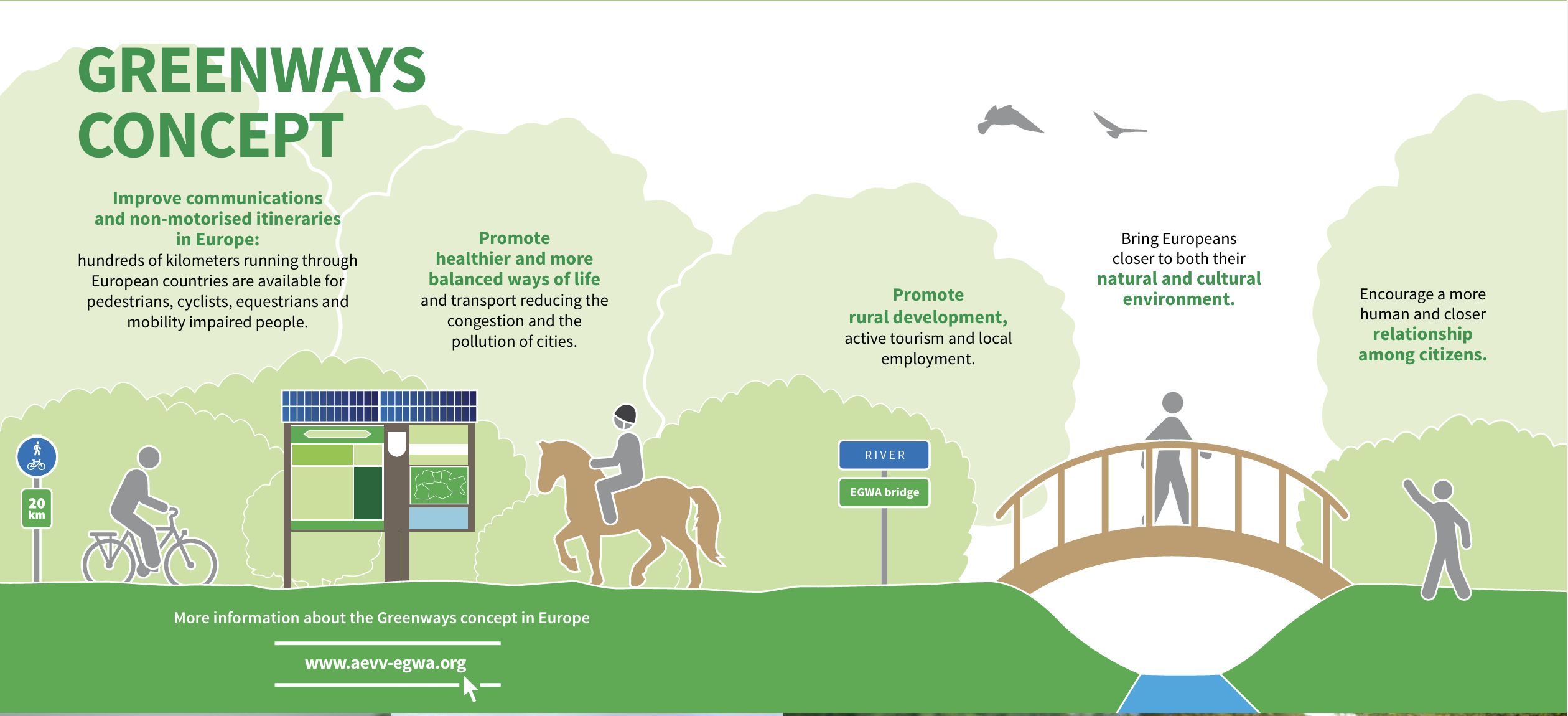
Functioning as green corridors, greenways enhance both the environment and the quality of life in the areas they traverse, promoting sustainable development and healthy lifestyles while providing a framework for community-based initiatives and protection of nature and environment.
By reusing disused or “recycled” infrastructure – such as former railway lines, towpaths, and historic heritage trails, including industrial heritage – they respond to increasing social demands, including access to nature and culture, ecotourism and active tourism, healthy outdoor leisure, and sustainable mobility, while contributing to the fight against climate change.
Greenways provide green infrastructure for sustainable transport, travel, and mobility
A top priority of EU tourism policy on sustainable tourism is the development of safe and accessible transport infrastructure for cycling, walking, wheeling, and other non-motorised modes of travel. This objective is particularly advanced through the conversion of disused railway lines and towpaths into greenways.
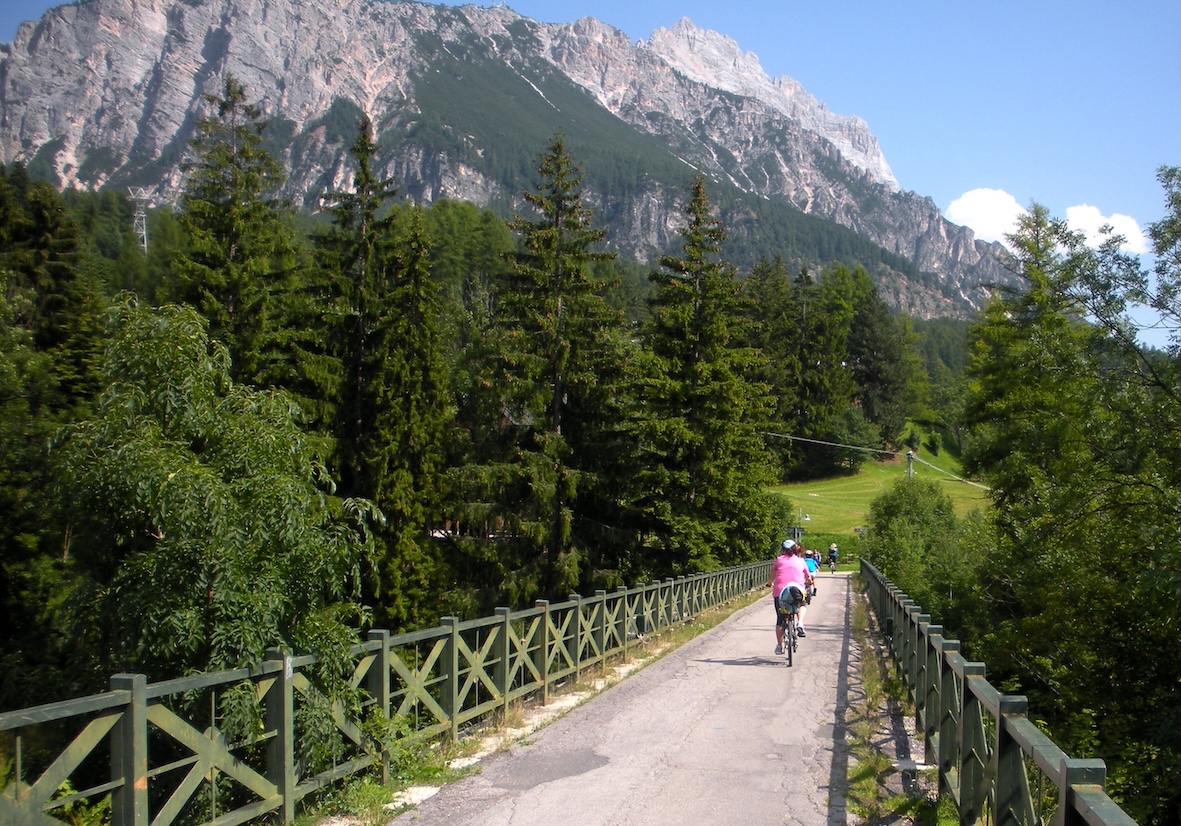
Greenways are a key instrument for promoting sustainable tourism and mobility. They provide safe, accessible, and user-friendly routes, primarily developed on former railway lines and along canal towpaths, offering an effective and environmentally friendly alternative for non-motorised travel.
The integration of non-motorised transport routes, including greenways and cycle routes, into the broader transport network is essential to promote the decarbonisation of transport and to support the development of sustainable tourism and mobility. This zero-emission network contributes to the diversification of tourism offerings and the extension of the tourist season, providing alternatives that help prevent overcrowding in popular destinations.
Greenways help address climate mitigation and environmental protection
Promoting greenways as a means to reuse disused railways and other infrastructure represents a form of circular economy. Their construction generates significantly lower greenhouse gas emissions compared to new routes requiring extensive earthworks and foundations. In addition, greenways are shared by multiple types of users, including cyclists, walkers, and people using wheeled mobility devices.
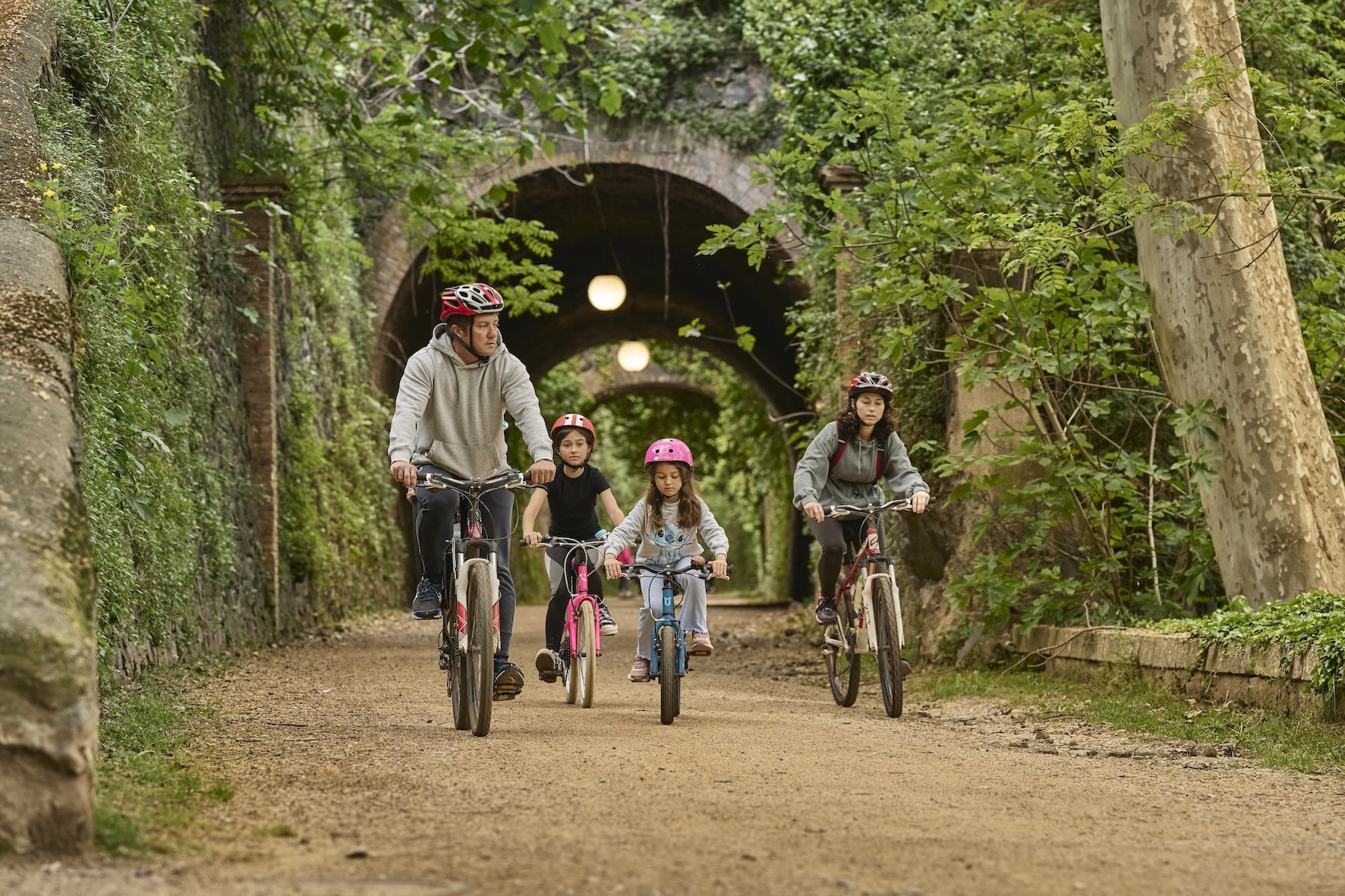
In the province of Girona, Catalonia, Spain, the Girona Greenways network helps save approximately 1,381.73 tonnes of CO₂ annually. see more: >>>viesverdes.cat
Studies by the French organisation AF3V, which implements greenways, show that well-designed routes, connected to a larger network and integrated with local cycle paths and discovery tours, can serve as a powerful tool to enhance a territory and showcase its tourist heritage. A coherent and attractive network of greenways thus contributes to the ecological transition and supports the collective effort to combat global warming. see more: >>> www.af3v.org
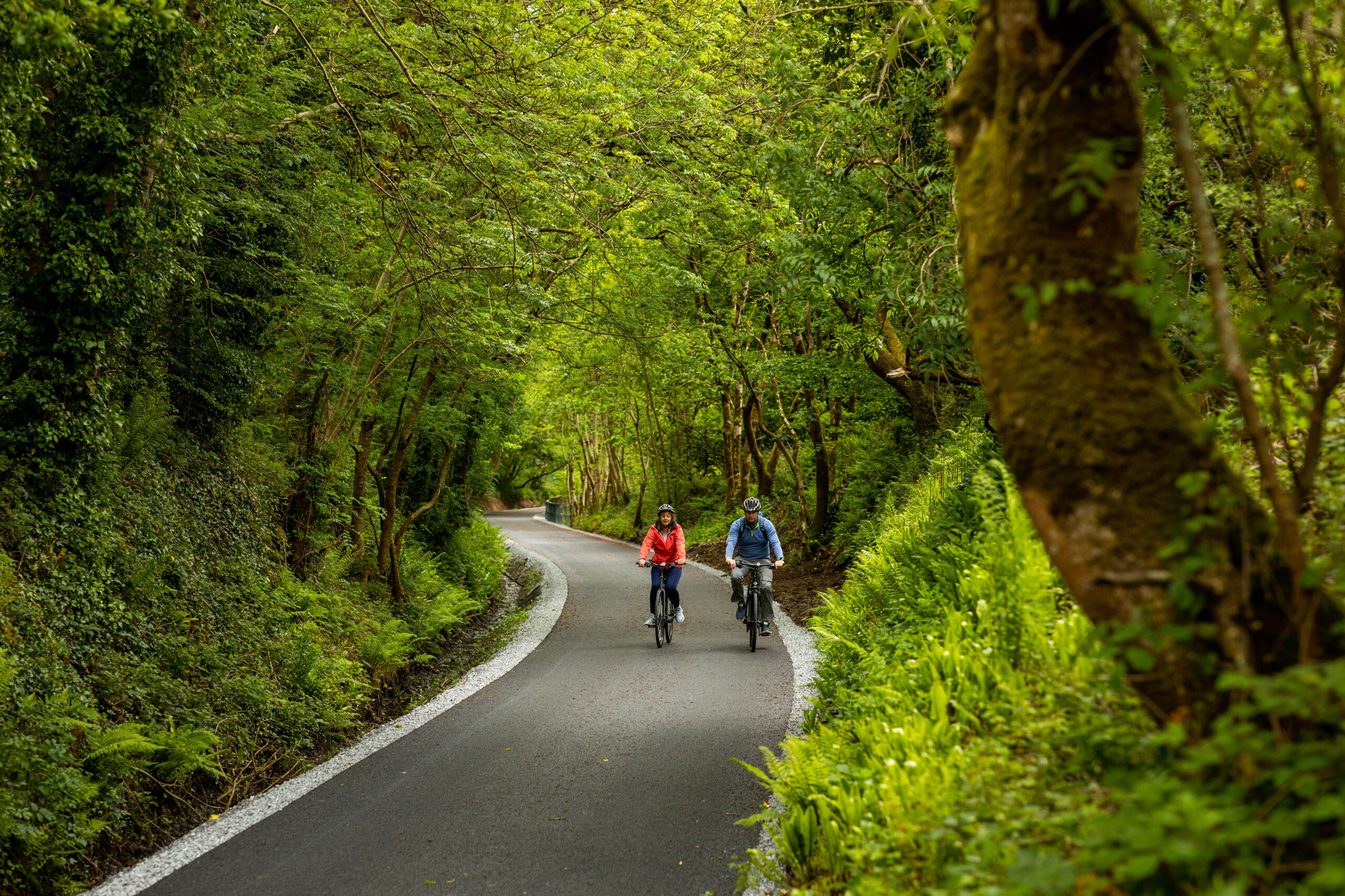
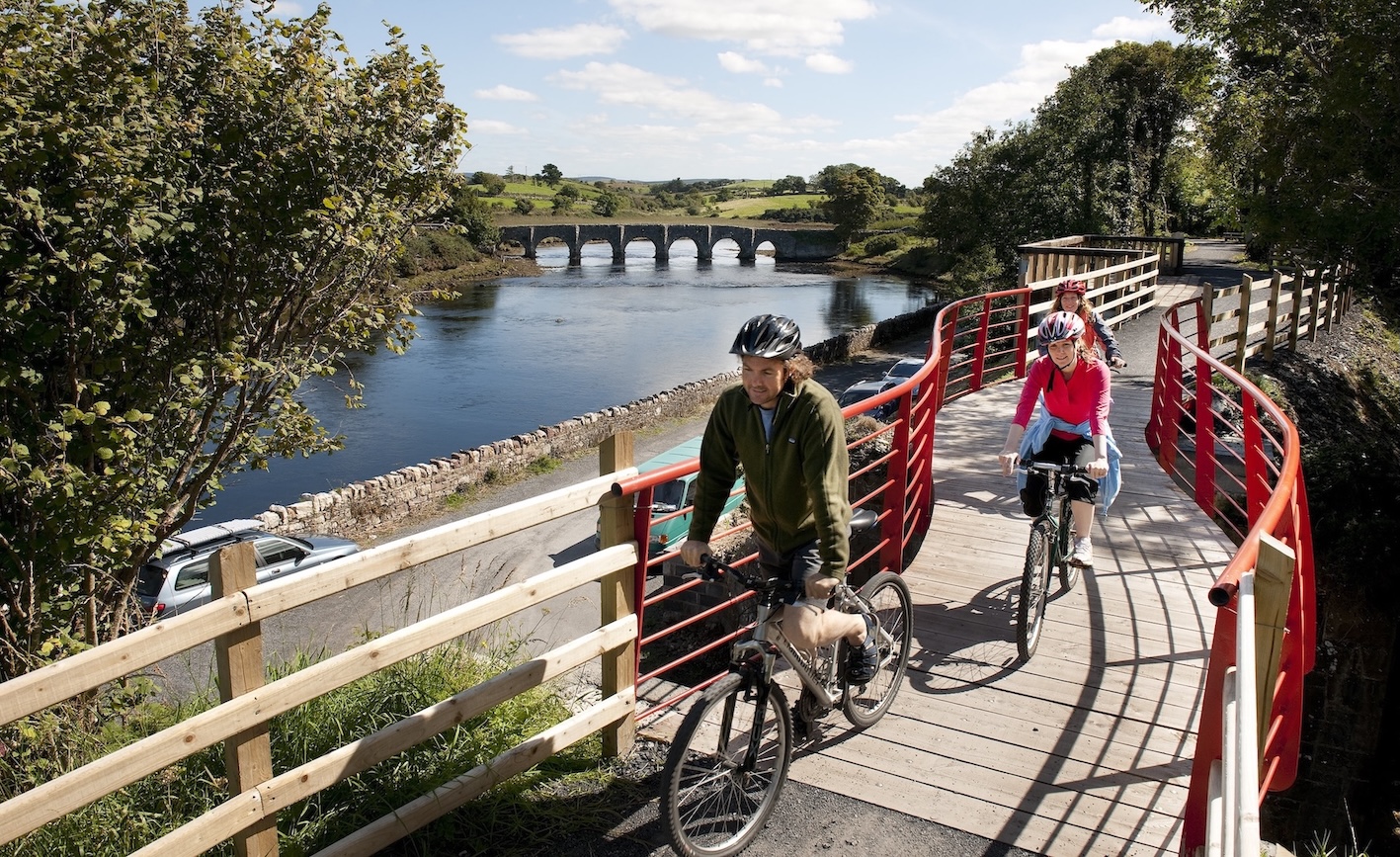
In 2025, a Special Award for Green Transition in Greenways was presented to the Great Western Greenway Cycling & Walking Trail, developed by Mayo County Council, Ireland. The Great Western Greenway, a 48.5-kilometre coastal walking and cycling trail along the Wild Atlantic Way, is built on a disused railway line and exemplifies sustainable infrastructure by repurposing existing corridors with minimal environmental impact. The trail includes Ireland’s widest boardwalk, constructed over undisturbed bogland, preserving sensitive habitats and supporting biodiversity. Environmental innovation is central to the initiative, with features such as solar-powered compactor bins, e-bike charging stations, and public furniture made from repurposed wind turbine blades, demonstrating circular economy principles in practice.
According to Failte Ireland: Greenways should promote and enhance biodiversity, conservation, and habitat and be good for nature. Wildlife will readily colonise new areas and creating the right mixture of habitats to attract the greatest diversity of wildlife along the Greenway corridor, is entirely achievable with appropriate management. Connectivity is as crucial for wildlife as it is for Greenway users. Forming ‘wildlife corridors’ that allow both to move and adapt can be achieved by creating green corridors.
What makes a Greenway attractive? High maintenance, overly manicured green spaces are becoming a thing of the past. Balancing the needs of wildlife, people and the environment requires a different approach. Therefore, it is important that all stakeholders and partners involved in the management and maintenance of the Greenway ensure that biodiversity is considered and incorporated from the outset. see more>>>
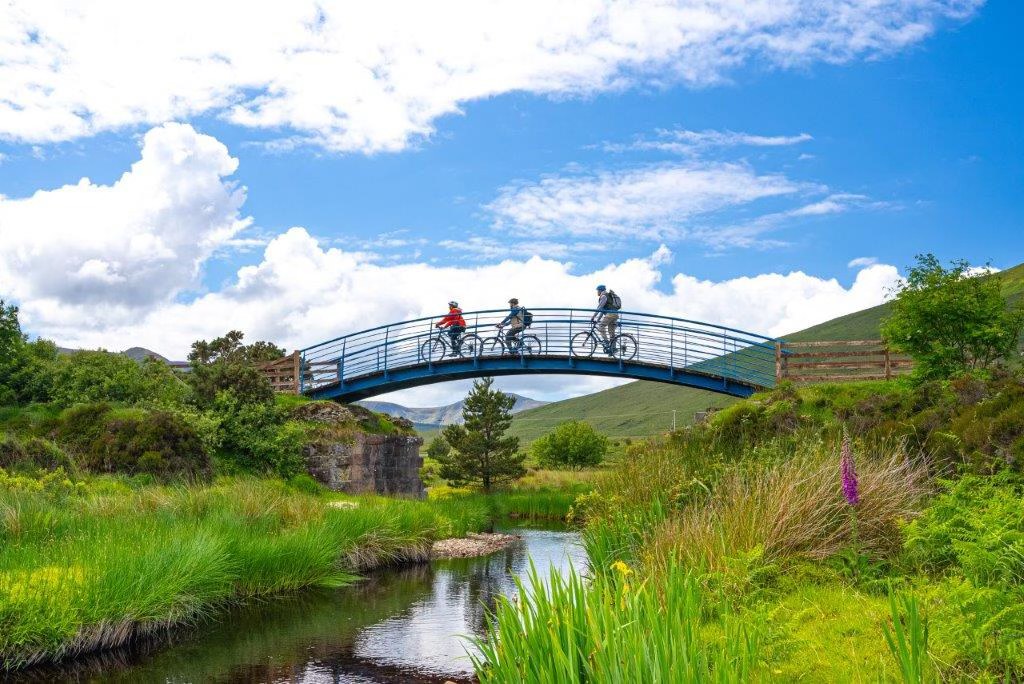
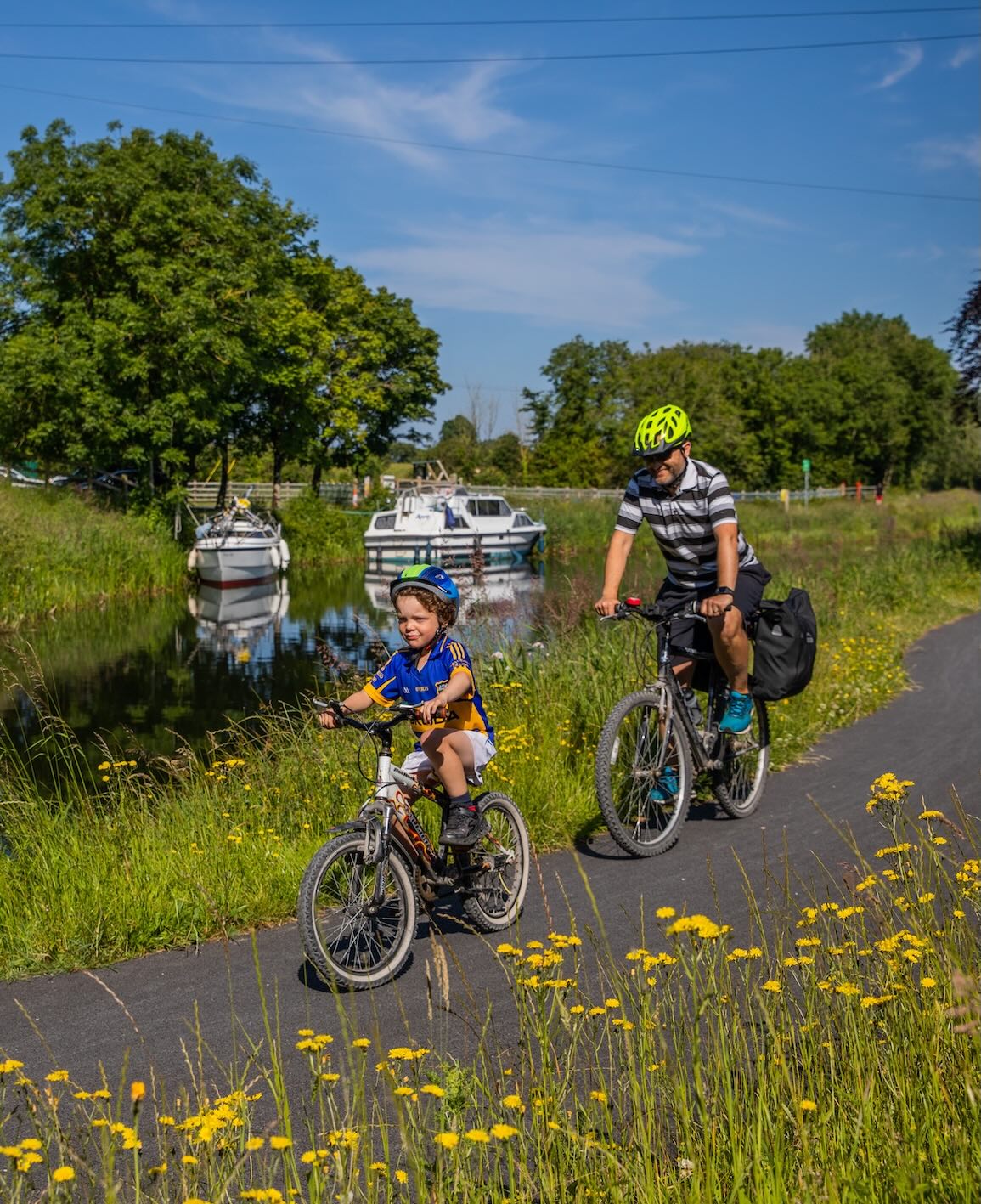
Irish Greenways adopted the Leave No Trace code of conduct:
- Plan ahead and prepare: Check access points, local rules, and weather before you start.
- Be considerate of others: Share the space safely with walkers, cyclists, and families, and obey all local signs.
- Respect farm animals and wildlife: Keep dogs on a leash at all times and do not disturb livestock or local nature.
- Dispose of waste properly: Take all your rubbish home with you or use the bins provided only at major trailheads.
- Leave what you find: Do not damage plants, pick wild flowers, or alter stones and structures along the path.
- Minimize campfire impact: Campfires are generally not permitted on or near public greenway corridors.
- Stick to the trail: Remain on the paved or gravel surface to protect nearby fields and sensitive natural habitats.
Greenways support green transition in tourism sector and support environmentally-friendly local entrepreneurship and ecotourism
Active tourism and sustainable tourism, particularly through greenways and safe cycling and walking routes, makes a significant contribution to the economic development of the regions it passes through, especially in rural areas.
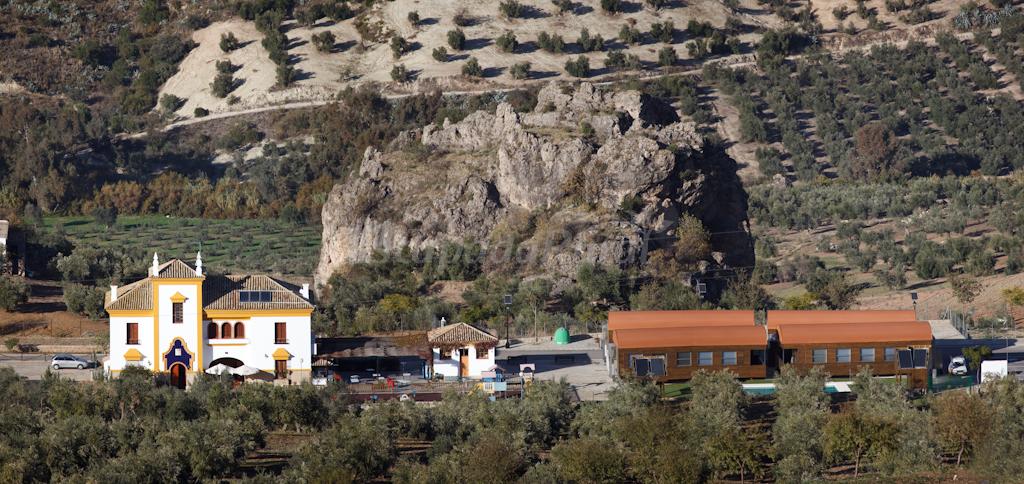
Along the Vía Verde de la Sierra in Andalusia, Spain, the popular attraction is a visit to the Interpretation Centre of the Vía Verde de la Sierra, located near Olvera Station. This interactive visitor centre explains the greenway’s history, landscapes, and biodiversity through exhibitions and multimedia displays. Another key attraction is the Centro de Interpretación y Observatorio Ornitológico del Peñón de Zaframagón, a visitor centre equipped with live video monitoring that allows real-time observation of a large colony of griffon vultures nesting in the surrounding cliffs, alongside educational exhibits about the area’s wildlife and natural environment.
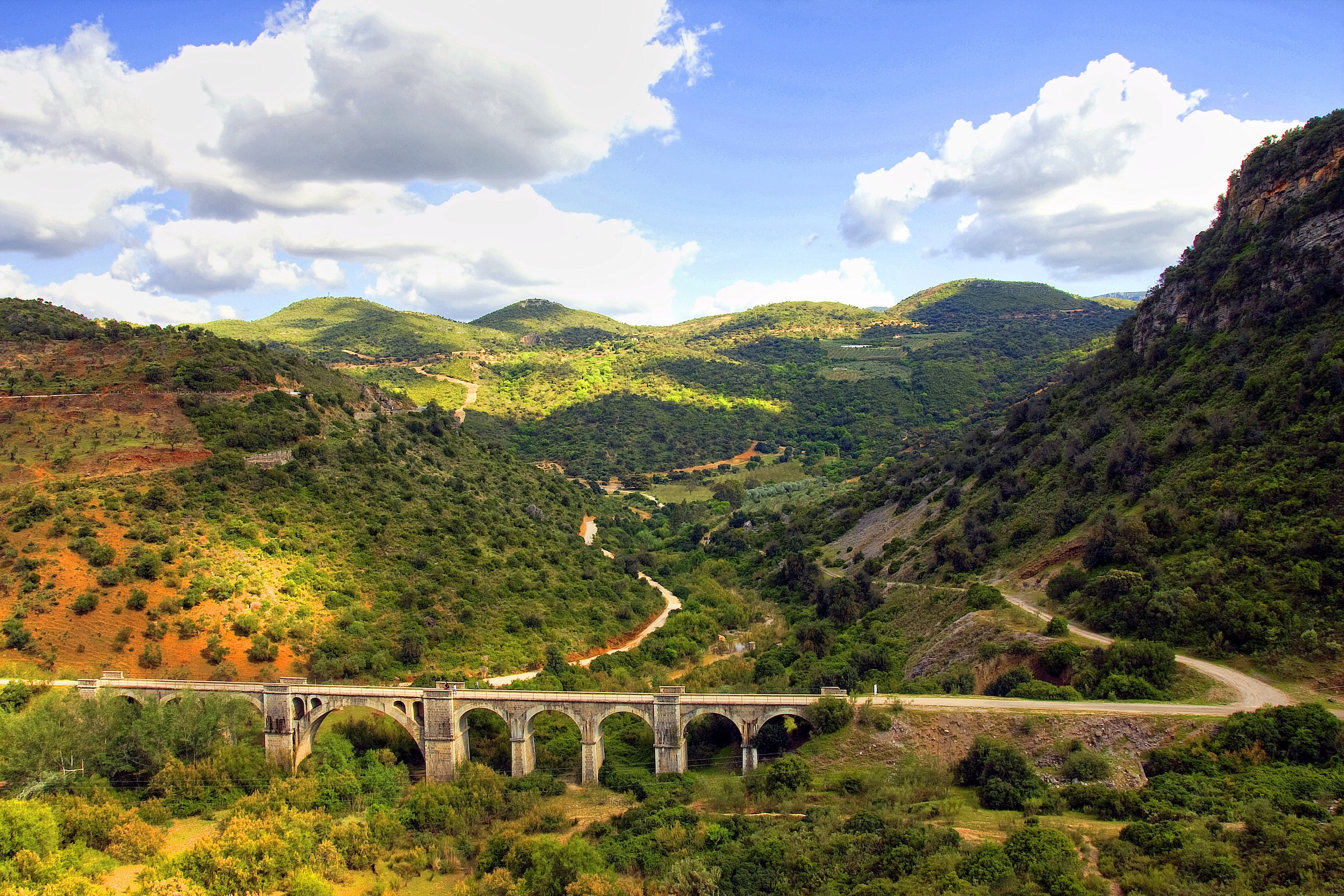
Sustainable tourism – tourism that is environmentally responsible and respectful of the natural landscape – is promoted and developed along Greenways. Greenways can contribute to environmental protection by raising ecological awareness among both visitors and local residents. As local communities observe tourists’ interest in their region, they increasingly appreciate its natural assets and become more actively involved in efforts to protect them.
All ecotourism products offered along Greenways share a common principle: making use of local resources while supporting local communities. They are built upon the region’s existing assets, including tourism services, cultural attractions, local products and their points of sale, as well as community initiatives. Travelling along these natural and cultural heritage routes – whether independently or through a tour operator – is an educational experience rooted in eco-cultural tourism. It enables visitors to explore the region’s distinctive natural, cultural, ethnic, and socio-economic characteristics. It also offers opportunities to meet inspiring local leaders who work to protect their heritage and use it as a foundation for revitalizing the local economy and promoting sustainable development.
Tourism, which is inherently linked to the natural environment and dependent on its quality, is particularly responsive to changing attitudes and the evolving needs of travelers. Publications of the Council of Europe on the tourism industry point to a significant shift in the attitudes and expectations of today’s travelers, reflected primarily in increased environmental awareness, higher demands for quality services, and a preference for destinations with attractive, unpolluted natural surroundings.
According to the World Tourism Organization (UNWTO), as global tourism continues to grow, so too does the diversification of tourism products and the demand for travel to environmentally valuable destinations, particularly ecotourism. Increasing numbers of travelers – especially residents of large urban areas – seek peace and quiet, relaxation close to nature, destinations far from fashionable and overcrowded resorts, clean water, and healthy food. They wish to spend their leisure time discovering new countries and cultures, experiencing the beauty of nature, enjoying outdoor activities and their favorite sports, seeking spiritual enrichment and memorable encounters with wilderness and local traditions, and exploring regional customs and cuisine.
Ecotourism, together with related forms of sustainable economic activity – such as sustainable agriculture and food processing, traditional crafts and handicrafts, as well as other forms of tourism adapted to regional conditions (including agritourism, active tourism, culinary tourism, heritage tourism, and health and wellness tourism) – can serve as an important driver of regional development in areas whose greatest assets are their natural environment, landscapes, and cultural heritage. (paragraph on sustainable tourism by Dominika Zaręba).