 English
 Español
 Français


Greenways have evolved from simple non-motorized transport corridors into multifunctional landscapes that integrate mobility, recreation, environmental conservation, and cultural heritage. Originally developed along abandoned railway lines, canal towpaths, and historic routes, greenways offer safe and attractive spaces for walking, cycling, and other forms of active travel while preserving historic infrastructure and landscapes.
Many greenways traverse regions rich in cultural and historical resources, including archaeological sites, historic settlements, industrial heritage, religious monuments, and UNESCO World Heritage Sites. Despite this proximity, greenway tourism and cultural heritage tourism have often been promoted separately, limiting opportunities to create integrated visitor experiences. The Greenways try to bridge this gap by establishing a framework that combines active mobility with heritage interpretation and sustainable destination development.
Greenways as Cultural Landscapes
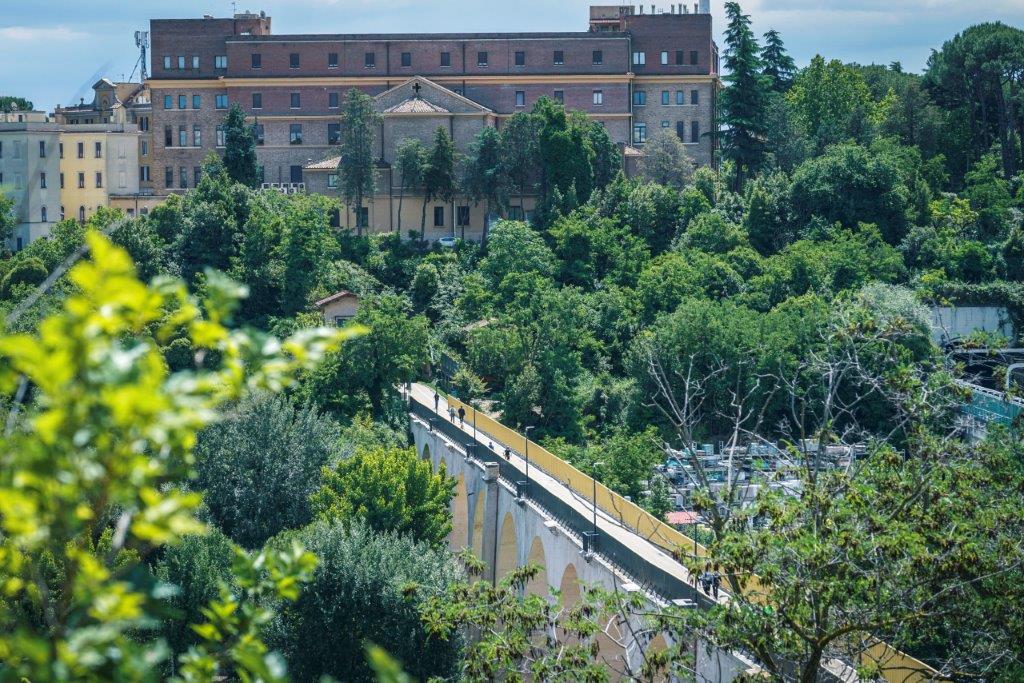
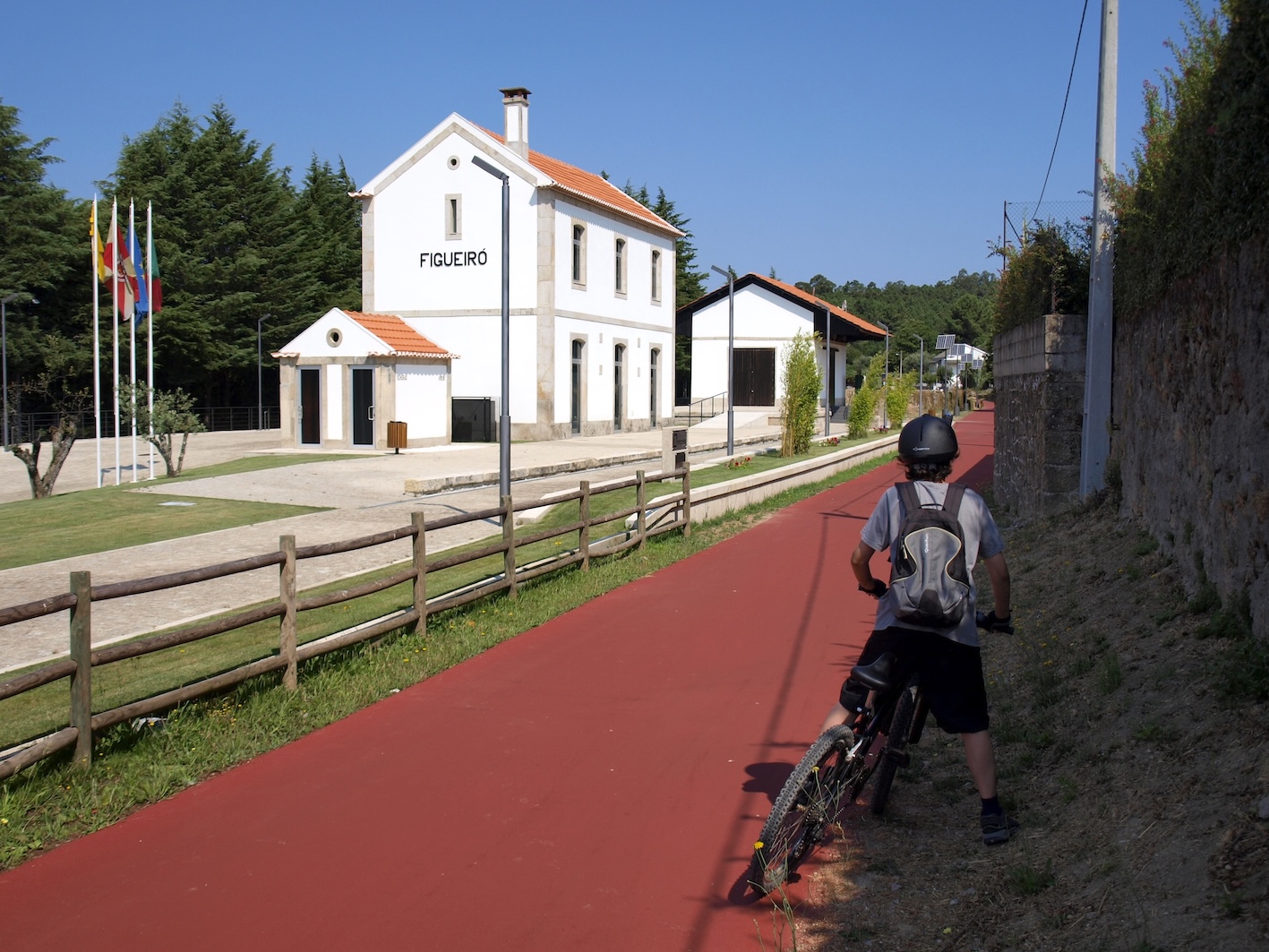
Greenways are more than transportation corridors. They represent cultural landscapes where natural and human histories intersect. Former railway lines, canals, bridges, tunnels, stations, and industrial structures become part of the visitor experience while retaining their historical identity.
These corridors preserve evidence of historical land use and regional development, connecting diverse heritage assets across extensive territories. Rather than functioning as isolated attractions, heritage sites become elements of a continuous cultural route that encourages visitors to explore broader landscapes and local communities.
Integrating Greenways and Heritage
The Greenways Heritage approach is founded on the idea that combining greenways with nearby heritage resources creates a stronger tourism product than promoting each independently.
Integration generates multiple benefits:
- diversification of tourism experiences through active travel;
- increased attractiveness of lesser-known heritage sites and communities;
- longer visitor stays;
- improved economic opportunities for local businesses;
- reduced concentration of tourism at heavily visited destinations;
- promotion of sustainable mobility and low-carbon tourism.
Cyclists and walkers experience heritage at a slower pace, allowing greater appreciation of landscapes, local traditions, architecture, and cultural identity. At the same time, heritage visitors gain access to environmentally friendly transport alternatives that enrich their overall experience.
Quality Standards for Heritage Greenways
Accessibility and Safety
Routes should provide safe, continuous, and comfortable conditions for users of different ages and abilities. Important considerations include:
- adequate surface quality;
- appropriate gradients;
- sufficient width;
- safe crossings;
- clear signage;
- accessibility for people with reduced mobility where feasible.
These characteristics ensure that heritage destinations remain accessible to a broad range of visitors.
Heritage Accessibility
Greenways provide convenient physical connections to heritage sites located nearby. These may include:
- UNESCO World Heritage Sites;
- archaeological areas;
- museums, interpretation centers, art galleries;
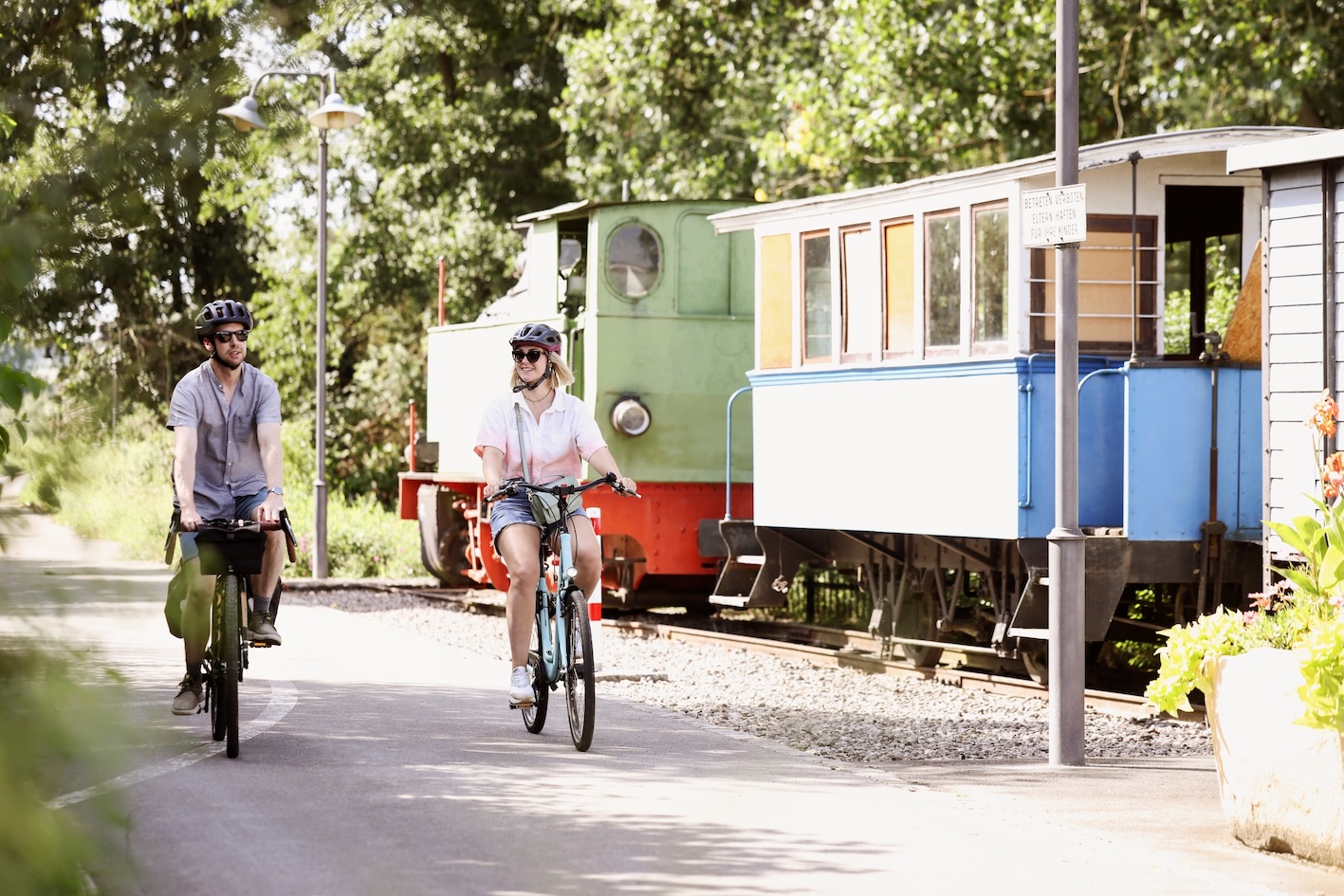
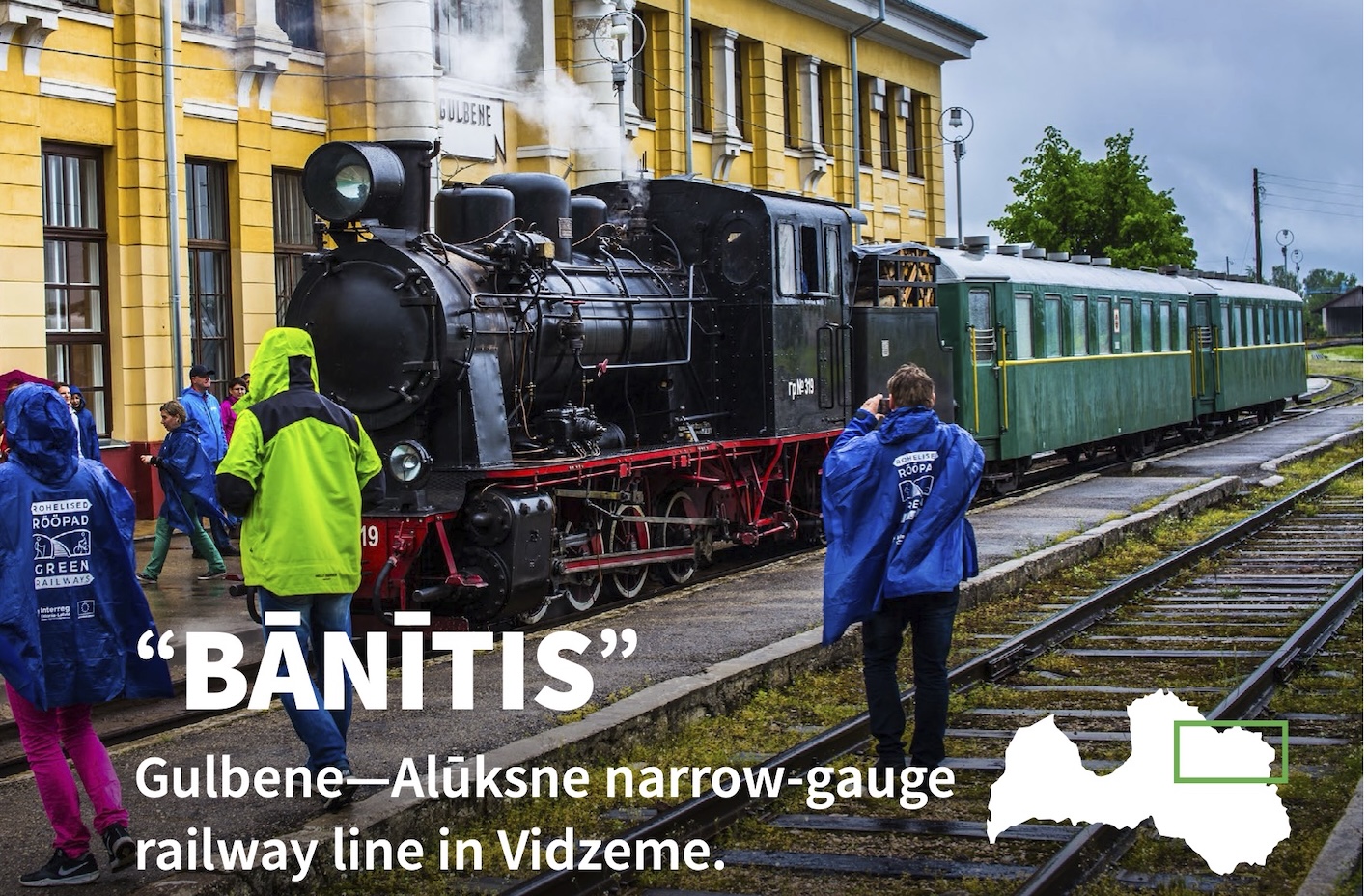
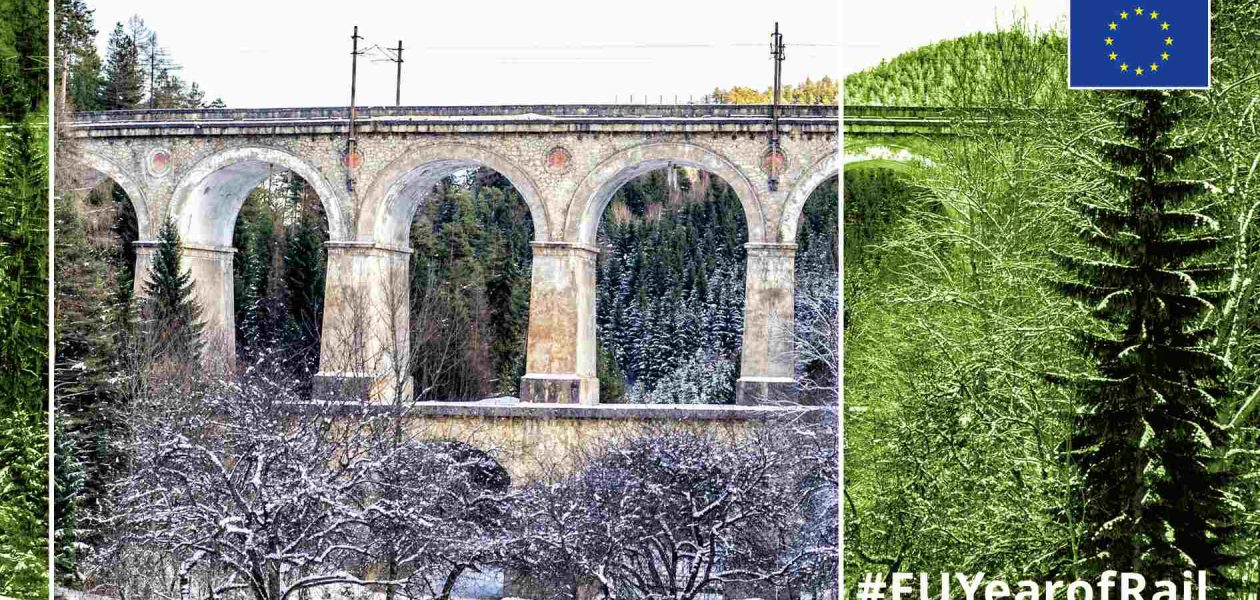
- industrial and railway heritage;
- historic villages/thematic villages, ecomuseums;
- religious monuments;
- cultural landscapes;
- places where local products are produced or crafted;
- cultural and art festivals.
The proximity of heritage assets alone is insufficient; effective access and visitor information are equally important.
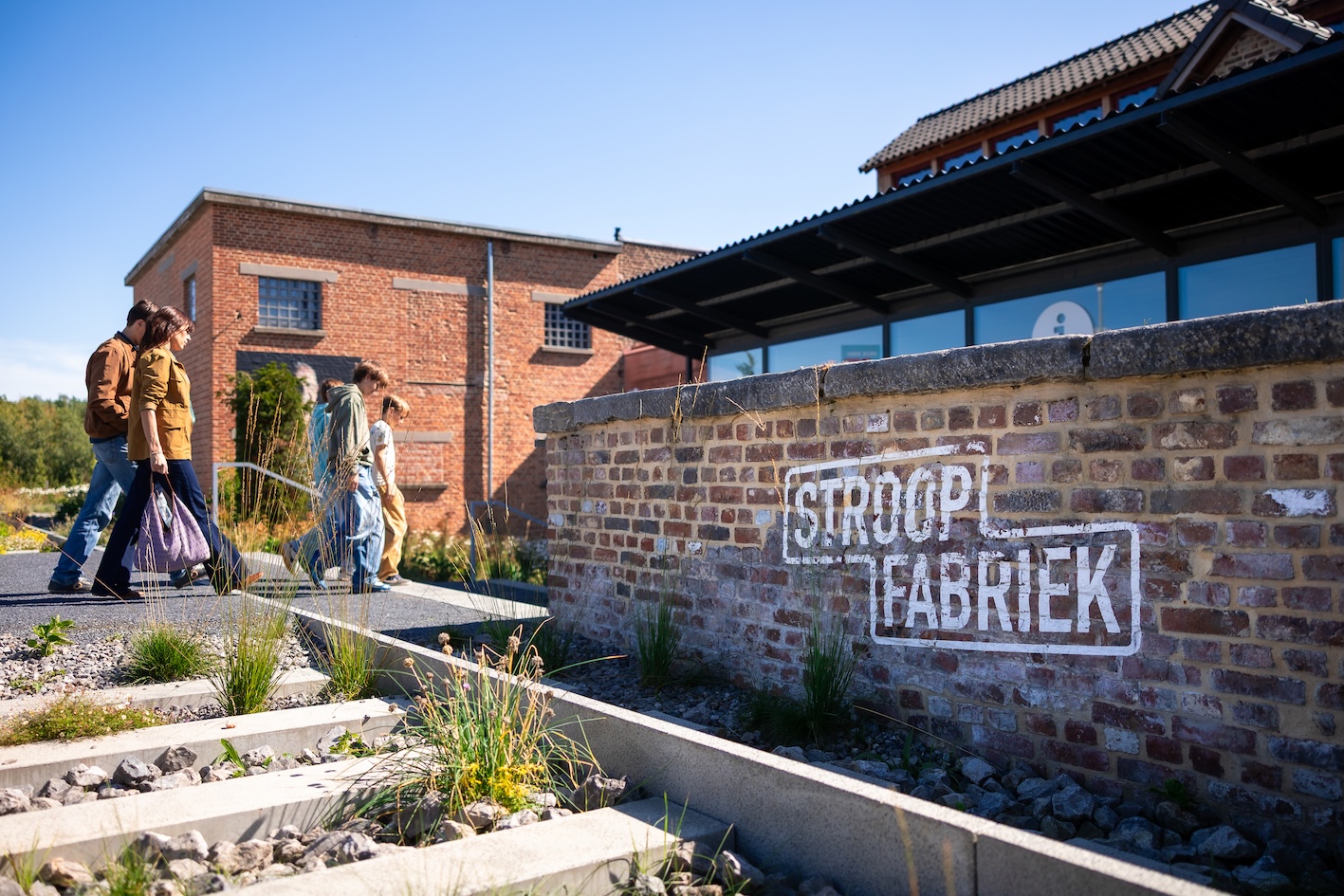
An ecomuseum is a network of sites dispersed across a region that together form a “living” collection showcasing the area’s natural and cultural heritage, as well as the achievements of its inhabitants. The unique character of the region is presented as the result of the interaction between its natural environment and human activity, both past and present.
The concept of ecomuseums emerged in Europe as a new approach to presenting and interpreting heritage beyond the confines of traditional museum display cases – heritage that visitors can experience in an authentic, immersive, and educational way. Ecomuseums are created through collaboration between experts in cultural and natural heritage and local communities.
Some examples of ecomuseums have already been established along Greenways. On the one hand, they significantly enrich the local tourism offer; on the other, they help highlight and preserve the unique character of each place while fostering and strengthening local cultural and community identity. (source: greenways.org.pl).
Interpretation and Information
Successful heritage greenways communicate the significance of places through high-quality interpretation.
Recommended tools include:
- interpretive panels;
- visitor centres;
- digital applications;
- maps and books;
- audio guides;
- augmented reality;
- storytelling and questing;
- educational materials.
Interpretation should explain not only individual monuments but also the relationships among landscapes, history, local communities, and the evolution of transport networks.
Visitor Services
High-quality visitor experiences depend on supporting infrastructure such as:
- accommodation, especially small family businesses;
- cafes and restaurants;
- bicycle rental and repair;
- public transport connections;
- drinking water;
- rest areas;
- toilets;
- information centres;
- access to public transport to and from a greenway.
These services contribute significantly to visitor satisfaction and local economic development.
Stakeholder Collaboration
One of the strongest messages of the protocol is that successful heritage greenways require collaboration across multiple sectors.
Key stakeholders include:
- local and regional governments;
- greenway management authorities;
- heritage managers;
- tourism organizations;
- protected area authorities;
- local communities;
- small and medium-sized enterprises;
- accommodation providers;
- cycling organizations;
- museums and cultural institutions.
Public-private partnerships are particularly important for developing tourism products, maintaining infrastructure, organizing events, and promoting destinations. Such collaboration enables integrated planning rather than isolated investment in individual attractions.


Sustainable Tourism and Local Development
The Heritage Greenways concept aligns closely with sustainable tourism objectives.
By encouraging cycling and walking, greenways reduce dependence on private vehicles while distributing visitors across wider territories. This approach can help alleviate pressure on heavily visited heritage sites by directing tourism toward surrounding rural landscapes and smaller communities.
Economic benefits include:
- increased demand for local accommodation;
- growth of cycling-related services;
- development of local gastronomy;
- promotion of traditional products;
- support for cultural events;
- employment opportunities in tourism.
Rather than concentrating spending at a single attraction, visitors contribute to local economies throughout the greenway corridor.
Innovation and Digital Technologies
The Greenways Heritage project highlights the growing role of digital technologies in enhancing visitor experiences.
Innovative tools include:
- GIS-based route planning;
- interactive mapping;
- mobile applications;
- georeferenced cultural information;
- virtual reality;
- 360-degree visualization;
- digital storytelling.
These technologies improve visitor orientation while enriching interpretation before, during, and after travel. They also support destination management through improved information sharing and promotion.
Challenges
Although the integration of greenways and heritage offers considerable opportunities, several challenges remain:
- uneven quality of infrastructure;
- fragmented governance;
- inconsistent maintenance;
- limited funding;
- lack of coordinated marketing;
- accessibility barriers;
- insufficient interpretation at some heritage sites;
- balancing increased tourism with heritage conservation.
Addressing these challenges requires long-term planning, stable management structures, and continuous monitoring of visitor impacts.
Greenways demonstrate that sustainable mobility can become an effective instrument for heritage conservation and regional development. By linking active travel with cultural landscapes, historic infrastructure, and heritage sites, they create tourism experiences that are environmentally responsible, socially inclusive, and economically beneficial.
As destinations increasingly seek resilient and sustainable tourism models, the integration of greenways and heritage offers a compelling strategy for preserving cultural assets while enhancing regional attractiveness and supporting local development.
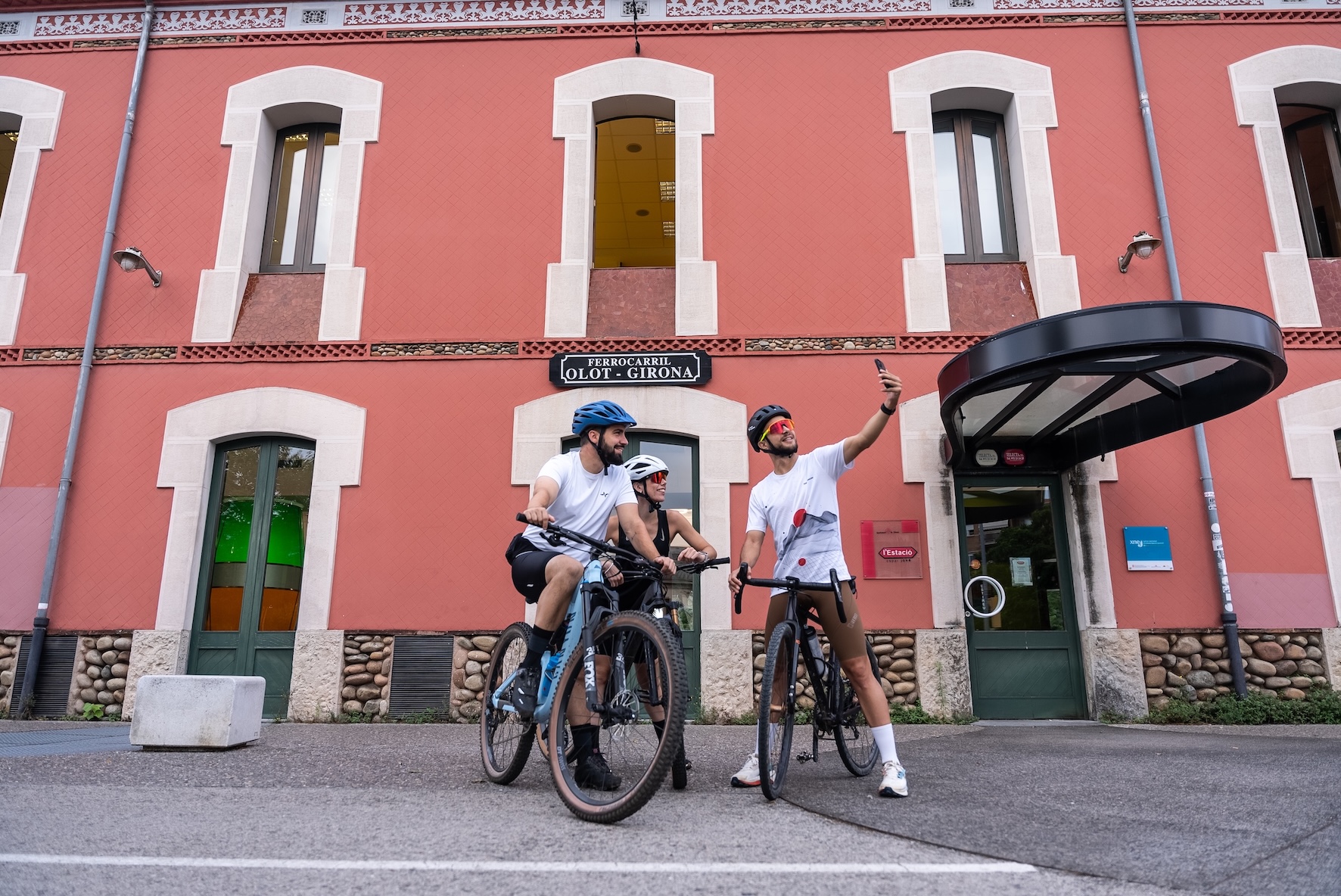
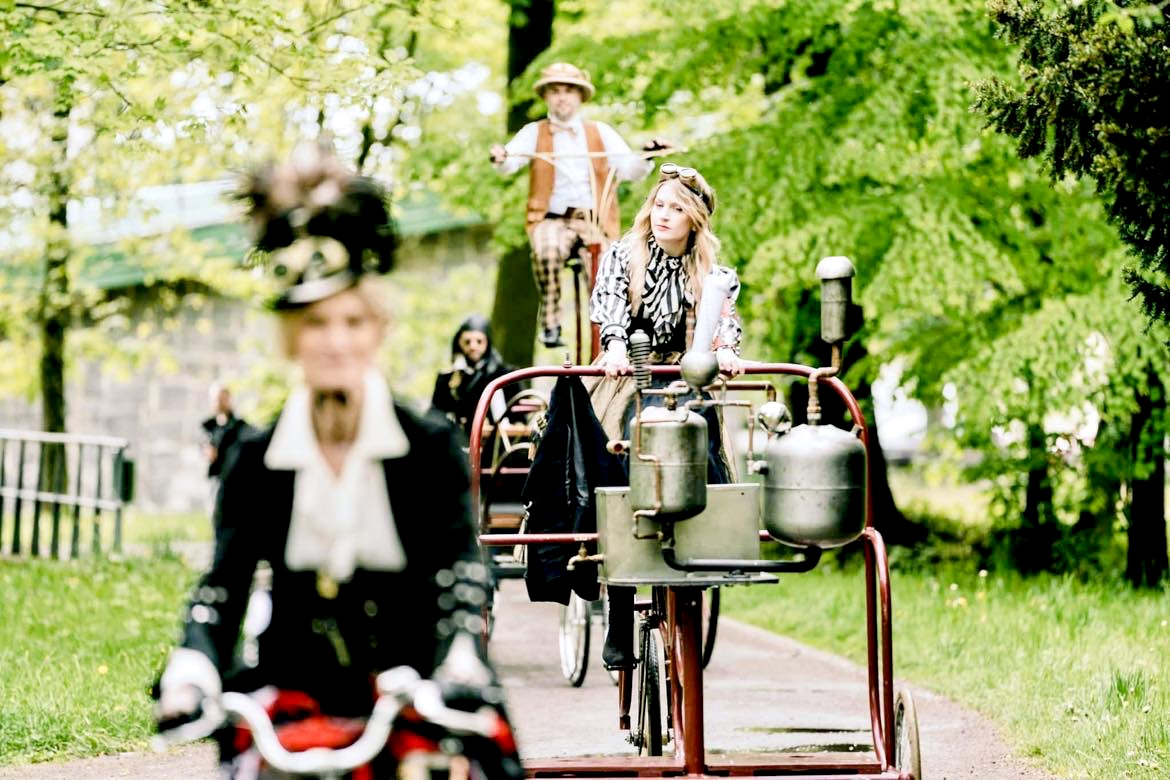
Cover foto: Catalonia Vies Verdes de Girona ©fot. David Rueda, Consorci Vies Verdes de Girona
See publications on Greenways and Heritage: