 English
 Español
 Français


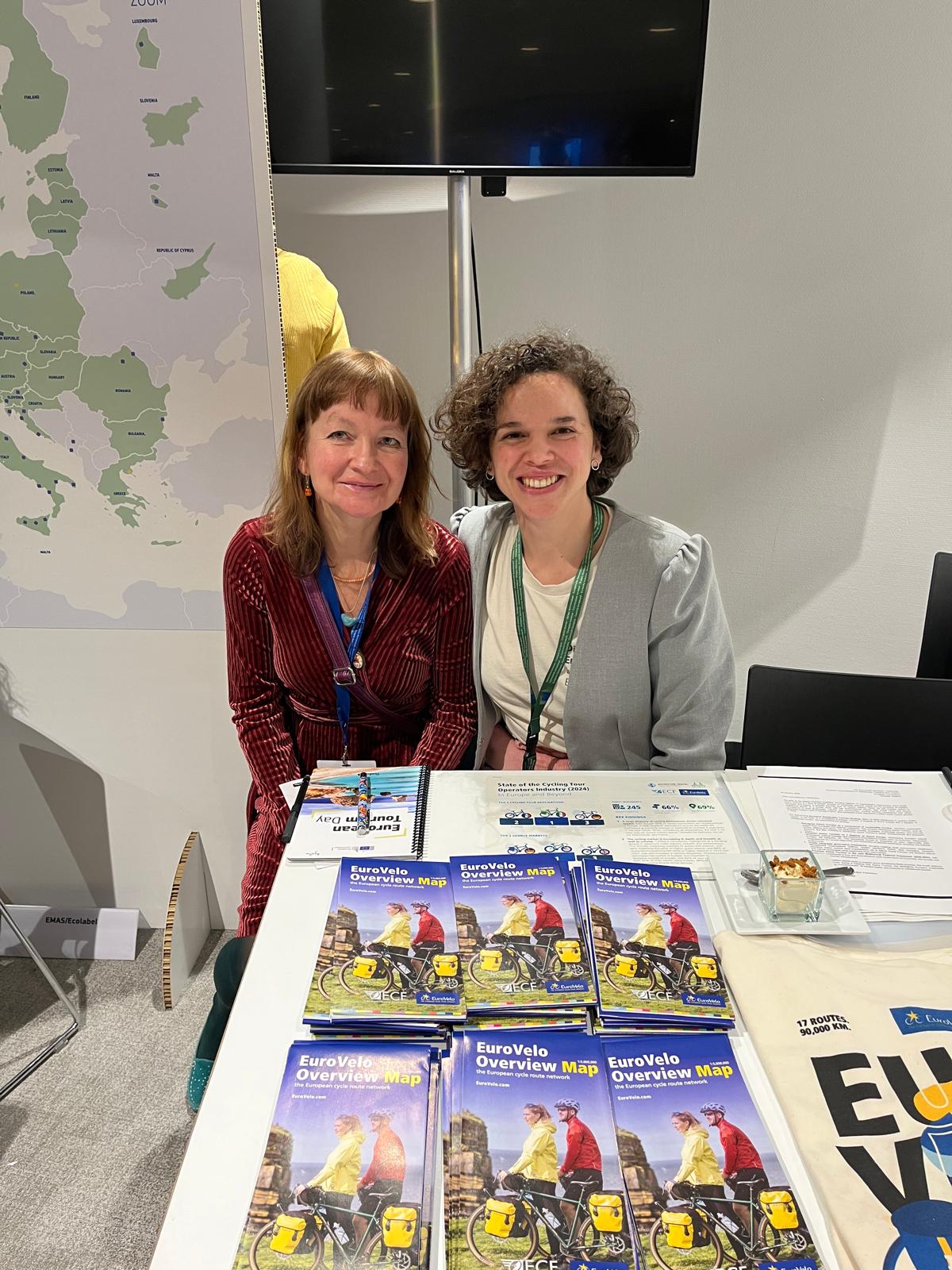
Interview with Agathe Daudibon, EuroVelo Director at ECF
by Dominika Zareba
Brussels, 26/01/2026
>> read interview in pdf
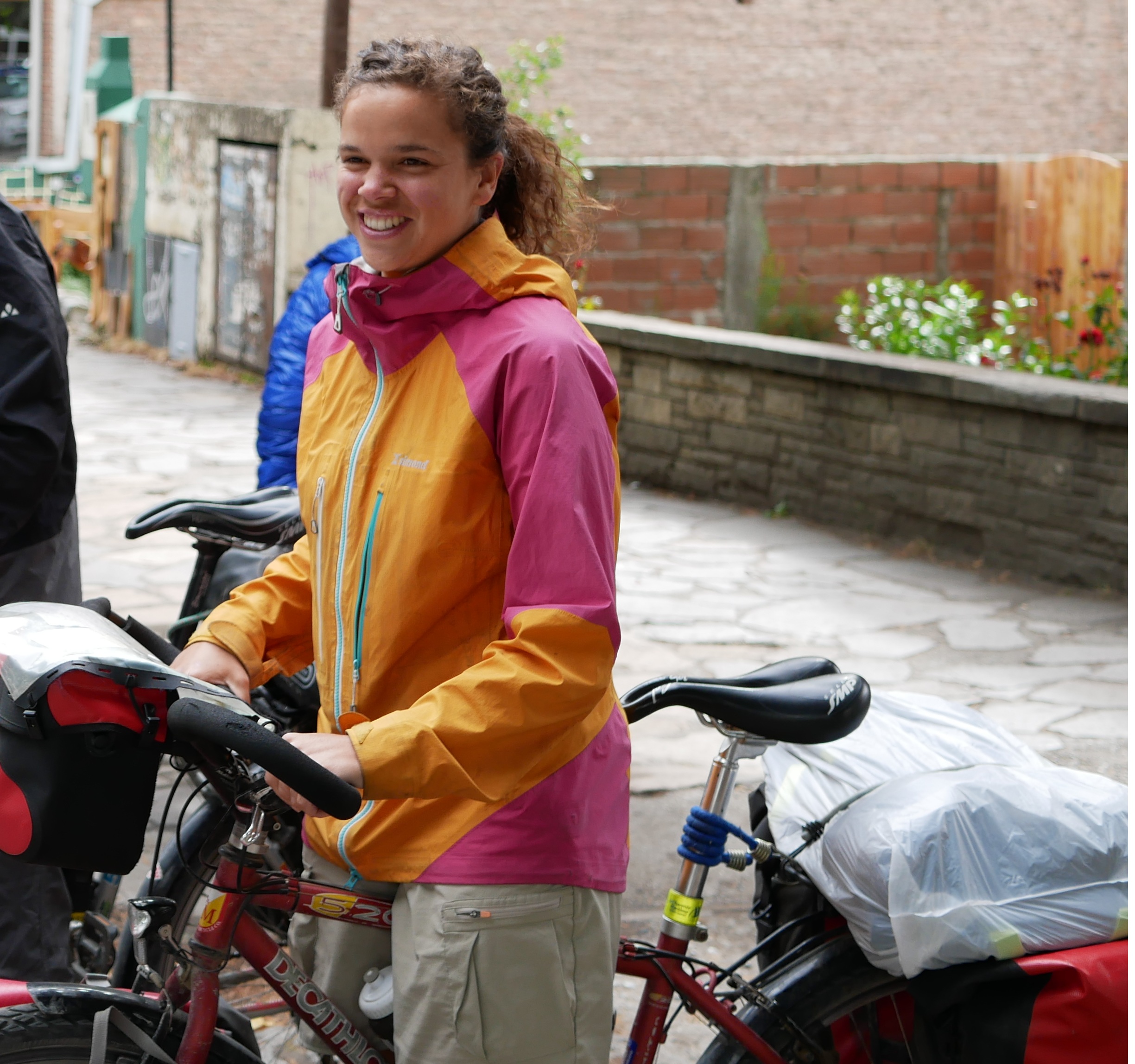
We are at European Tourism Day, on 26 January 2026, organised by the European Commission, discussing the European Sustainable Tourism Strategy. Here, we have also launched the Active Tourism Coalition. Please say a few words about what is the initiative.
The Active Tourism Coalition aims to highlight the power and benefits of active tourism across Europe. We acknowledge the fact that being active while being a tourist—whether cycling, walking, hiking, discovering a destination at a slower, human scale—can benefit more destinations. It is a perfect solution to the challenges that Europe is facing right now in terms of tourism. It also aligns with sustainability and it can also support the growth of a very much positive form of tourism.
That’s why we chose to partner together with 20 different organisations, all of which see an interest and a benefit to highlight how active tourism should be a cornerstone of the future strategy.
Yes, sustainable communities are crucial when we talk about active tourism. We also want to show that this is not niche tourism—more and more people are cycling, walking, and engaging in outdoor activities, and aspects like taking care of health as well as heritage and biodiversity are becoming increasingly important. Active tourism has many different dimensions. So what exactly is active tourism, and how would you define it?
Well, there are different ways to define it. Initially, we wanted to move beyond promoting cycling on one hand and hiking on the other. We agreed that there is a common ground, which we can call active tourism, and that it can be meaningful for all kinds of tourists. That was the main starting point. We then realized that being active while on holiday is not only beneficial for health but also for the destination. Active mobility can even help connect places that are a bit fart from transport hubs, such as train stations, integrating them into the broader mobility system.
It can also be very meaningful for the destinations themselves, making them more attractive. After all, what do people want to do on holiday? They want to truly experience the destination. And one of the best ways to do that is by walking or cycling around.
That was the idea behind it, and I think calling ourselves the Active Tourism Coalition really helps us make the point and increases our chances of being heard by decision-makers. We have a proposal on the table, full of ideas on how to prioritise active tourism in European policies, but these ideas can also be applied at national or local levels. We are very open to discussions with the European Commission, the European Parliament, the Council, and Member States to promote active tourism and make it a unique feature of European tourism.
Yes, I agree. It’s also important that active tourism truly benefits local communities and the local economy. Unlike other types of tourism, where much of the money goes to large companies, active tourism supports local people, small businesses, and SMEs.
There are so many SMEs that actually have no strong voice because they are so much spread out. What we represent as active tourism is the power of what we are. Being so many SMEs and businesses spread around all Europe can be seen as a weakness but also as a strength. Whenever there is an economic impact study conducted, we see that cycling tourism brings more impact on local economy, than any type of other tourism. I think this is valid for active tourism as a whole. The challenge is that we lack sufficient data to clearly demonstrate the economic impact and make our case more visible. With this coalition, we decided to gather what we have and work with it. We do have some data—it’s not perfect, but it exists. And whenever data is available, it clearly shows the enormous positive impact of active tourism.
When we think about sustainability and sustainable tourism, more and more people are getting involved in promoting these ideas. I feel that women often bring a special sensitivity to local communities, the environment, and biodiversity. It is especially important to hear women’s voices in the debate on sustainability. I would also like to ask you about the women’s cycling initiative we discussed earlier.
As the European Cyclists’ Federation (ECF), we promote the voice of women in cycling, of course, from a professional point of view, but also as women’s cycling activity. ECF is co-founder of Women in Cycling for example.
What we see from a couple of studies, run mainly in urban areas, the more gender-balanced cycling is, the more modal share for cycling is as well. In cities with very low cycling modal share, the proportion of women cyclists is often extremely low. This demonstrates that designing cycling infrastructure with women in mind benefits everyone. At ECF, we promote cycling that is truly inclusive of all genders, as well as human capacities.
And all generations…
Yes, generations and different social backgrounds. We would like more women to feel connected to active tourism, because also most of the time women are the ones planning holidays. So they have a huge impact on decision-making.
And active tourism is about promoting high-quality tourism.
And beneficial for the whole society.
What is your dream related to EuroVelo, to cycling tourism, to active tourism?
I hope we can address some of the barriers people place on themselves. Because when I introduced EuroVelo, the European Cycle Route Network, most people would say, “Wow, I didn’t know it was possible”. It is about how to enable people the broad access to active tourism. My dream is to turn this idea—that active tourism is possible for everyone—into reality.
Thank you, Agathe, so much. And keeping fingers crossed for EuroVelo, Greenways, hiking trails, all the great trails and routes in Europe and worldwide.
Postscript
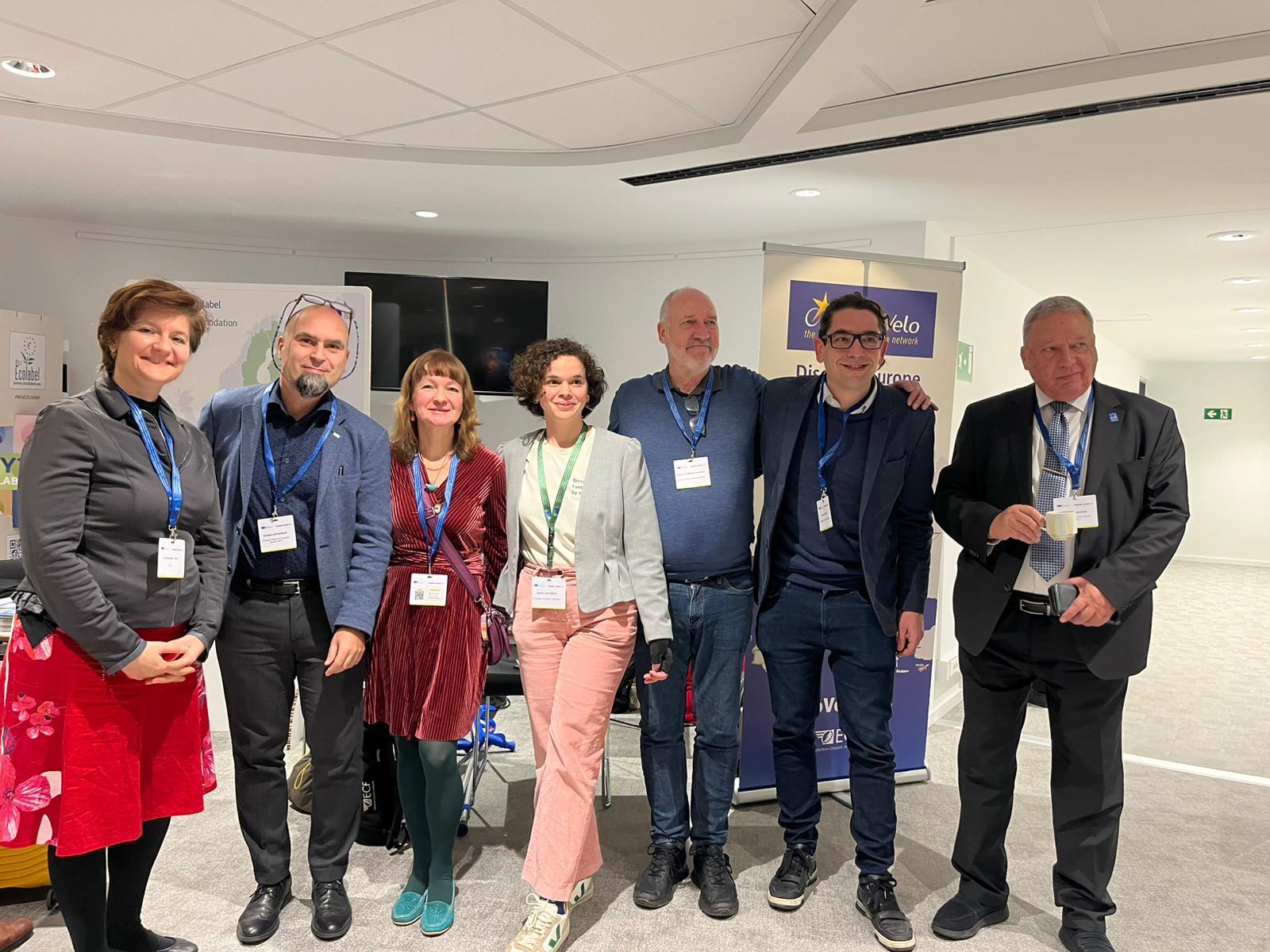
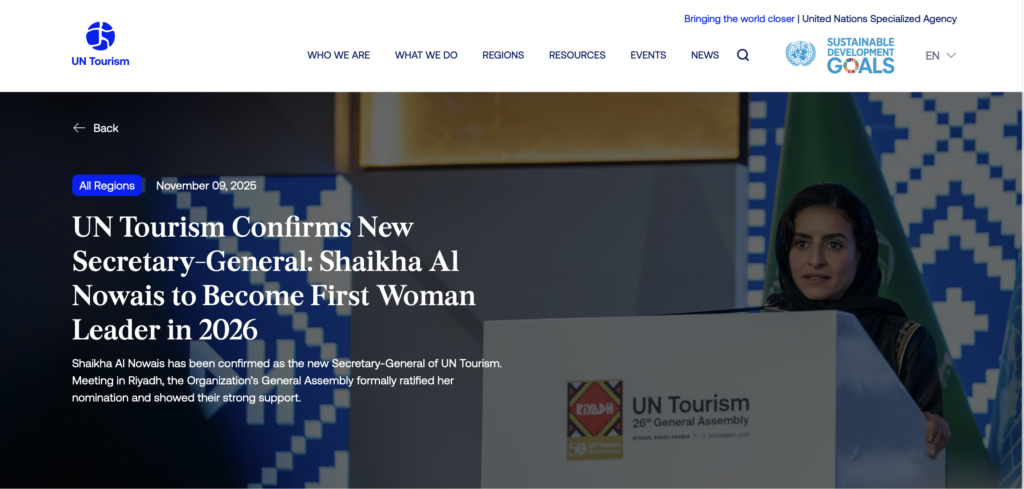
After we finished the interview, the new Secretary-General of UN Tourism, Shaikha Al Nowais, stopped by to greet us, wishing us the best in our cycling and active tourism work. We congratulated her on her new position and on becoming the first woman to lead the agency in its 50-year history. More women in sustainable tourism are needed!
See>>> Active Tourism Coalition Proposal
See>> Active Tourism Coalition Members
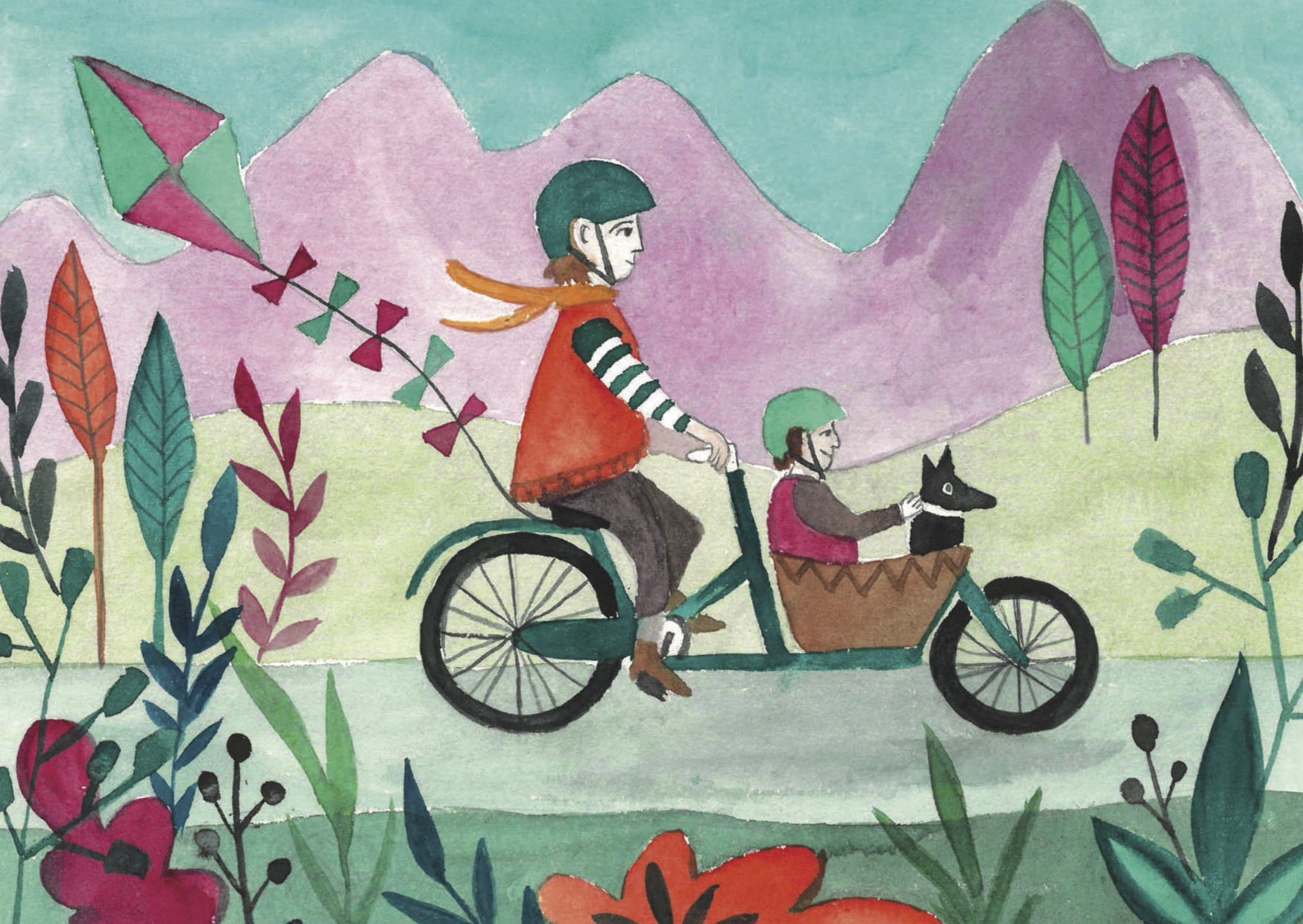
drawings by: Kaja Gościniak / Fundusz Partnerstwa / Polish Greenways