 English
 Español
 Français


Greenways in Andalusia: a model of collaboration, preservation of railway heritage, and environmental protection
>>> read the interview in pdf
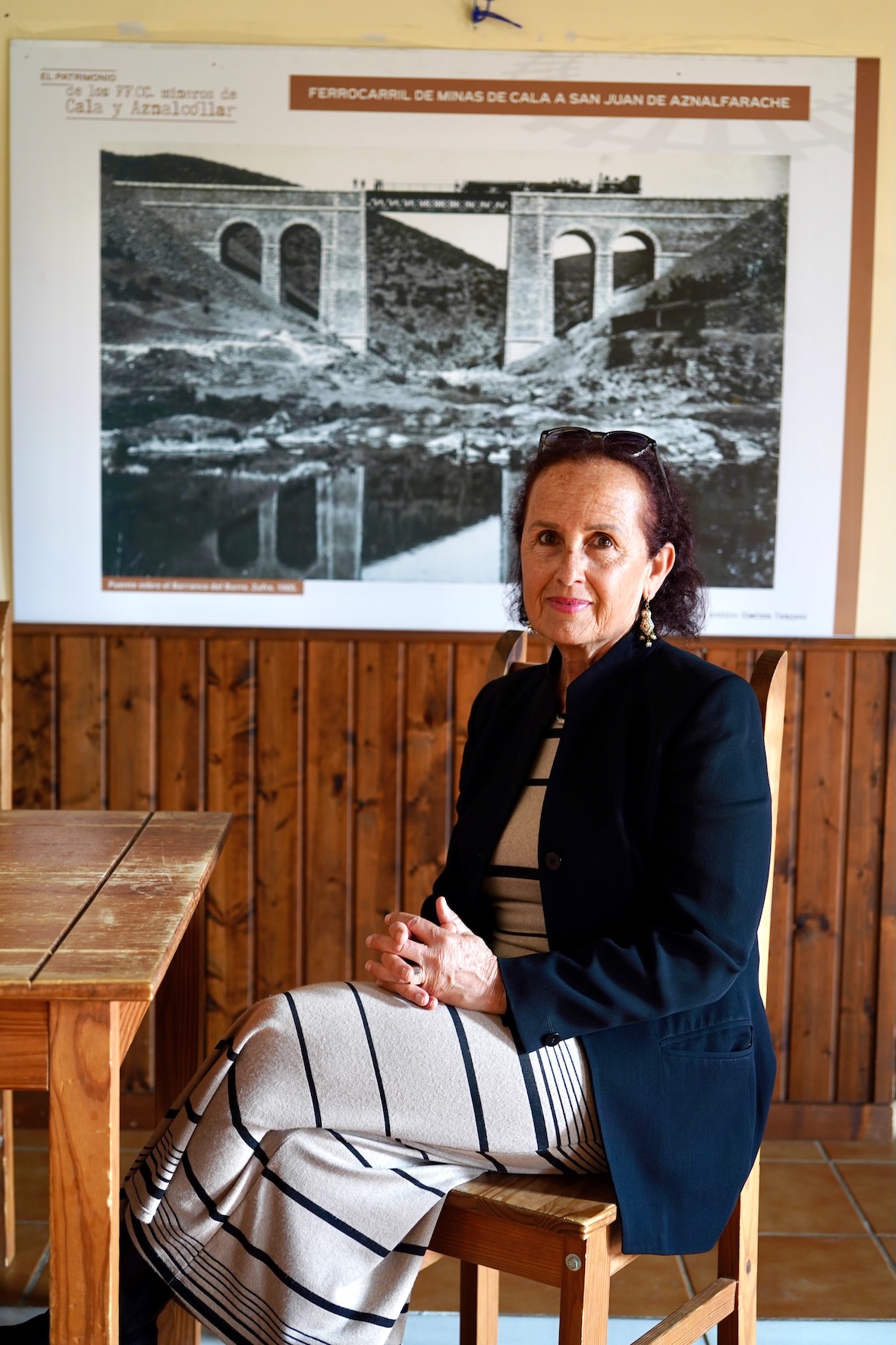
Interview with Carmen Aycart, coordinator of the Andalusian Greenways Association and one of the founders of the Greenways Programme in Spain and the European Greenways Association.
by Dominika Zareba
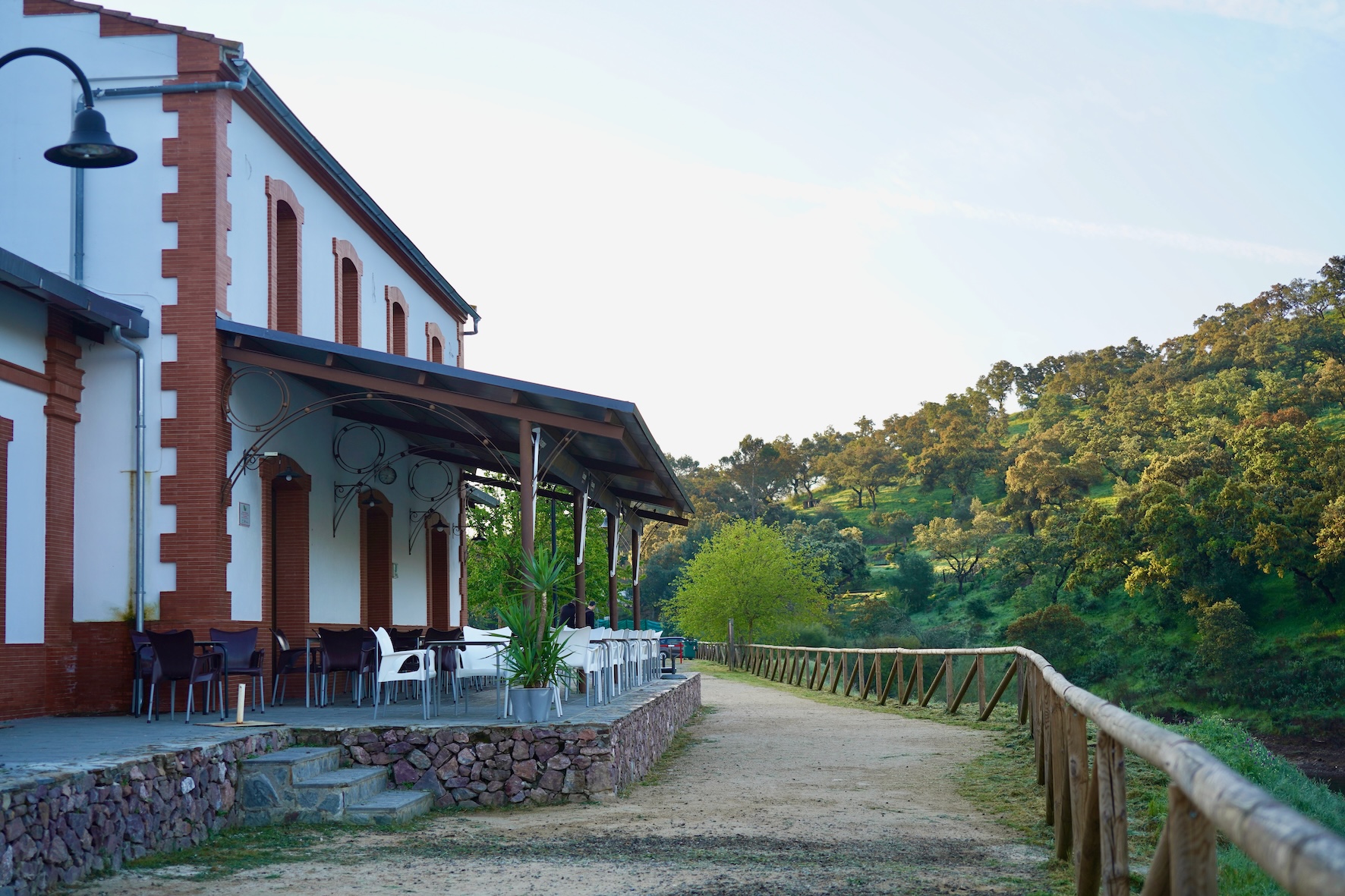
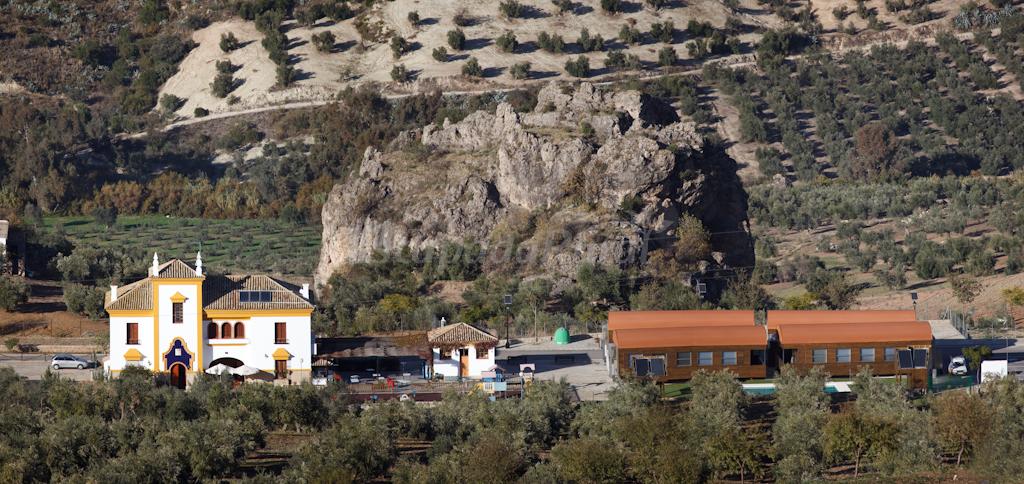
We are at the former El Ronquillo train station, next to the El Ronquillo Greenway, during the 3rd Greenways Meeting organized by the Provincial Council of Seville. Places like this show us how essential greenways are in Spain: preserving railway heritage and making it accessible to the public, right?
This place shows us that preserving railway heritage is a defining feature and a unique characteristic that distinguishes each Greenway from any other type of route. It also allows us to offer numerous interpretative resources, such as the one we see here in El Ronquillo, which has been transformed into a visitor reception center and a Greenway interpretation center, as well as accommodation and the “La Estación” restaurant. To give you an idea, in Andalusia we already have around 40 restored railway buildings along Greenways. The most common approach is to equip and renovate these buildings with public funds and then, through a concession, allow a private company to operate and maintain them.
Tell us about the Greenways network—Vías Verdes in Andalusia.
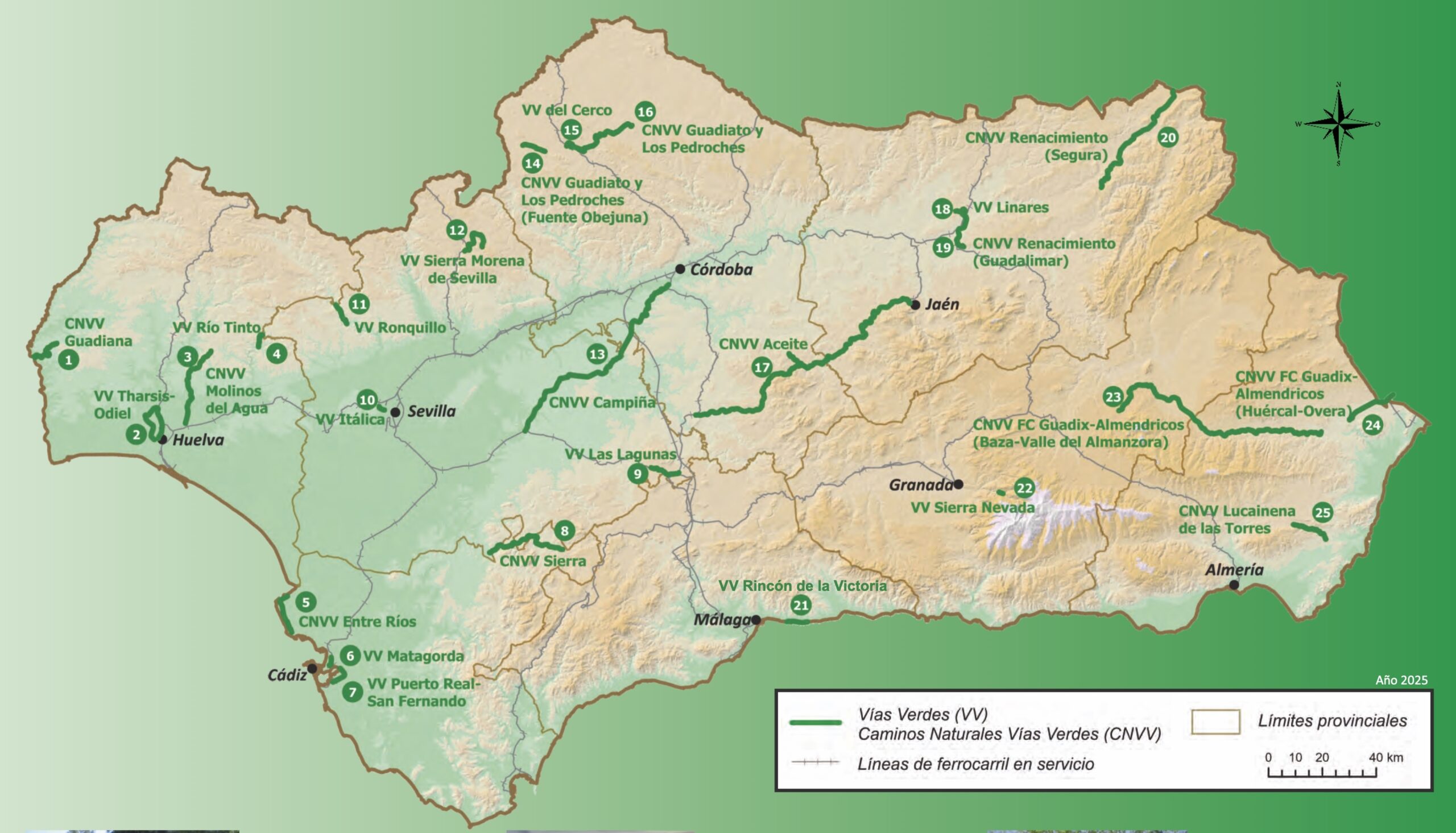
Andalusia has a network of 25 greenways totaling more than 800 km, transforming former railway lines into accessible routes for hikers, cyclists, and other eco-tourists. These routes offer diverse landscapes, safe and accessible paths, and a direct connection with nature, history, and local treasures. Notable examples include the Olive Oil Greenway—la Vía Verde del Aceite (the longest, at 128 km, running through the provinces of Córdoba and Jaén), the Campiña Greenway—la Vía Verde de la Campiña (nearly 92 km across the countryside of Seville and Córdoba), and the Sierra Greenway—la Vía Verde de la Sierra, with spectacular tunnels, viaducts, and restored former stations (36.5 km between the towns of Puerto Serrano and Olvera, in the provinces of Cádiz and Seville), among many other eco-routes based on railway heritage.
In addition, in our autonomous community there are still around 700 km of disused railway lines with potential for restoration. We are currently also working on the Great Andalusian Greenway—la Gran Vía Verde de Andalucía project, which is already included in the Andalusian Government’s Transport and Mobility Infrastructure Plan. Its aim is to interconnect the different existing Greenways across the region to create long-distance routes, promoting sustainable tourism and non-motorized mobility.
During the conference, you spoke about how to make the most of a greenway—what you described as “squeezing it like a juice” and fully harnessing its potential.
Yes, to achieve this, we need to work across different areas. On the one hand, there is the infrastructure itself—naturally: the route, surfacing, signage, revegetation, etc. On the other hand, there are the facilities and services along the greenway, providing spaces to rest, stay overnight, and engage in activities.
In terms of infrastructure, we already have the foundation of a former railway line, but more work is still needed to make these routes truly accessible, safe, and attractive. It is necessary to enhance and make the most of this railway heritage. Proper management and maintenance are also essential to preserve and improve what already exists, as well as to develop information and promotional activities aimed both at citizens and the tourists we want to attract. In this way, in some cases, a genuine ecotourism product can be created.
Is the key word governance and collaboration?
In any case, what underlies the success of a Greenway is governance, that is, everyone moving together in the same direction. This requires local involvement and cooperation between authorities at different levels of public administration, as well as between citizens, businesses, and, very especially, public-private collaboration.
Can you give an example of this public-private partnership?
In Doña Mencía, in the province of Córdoba, the Subbética Cycle Tourism Centre, located in the heart of the Vía Verde del Aceite—a 128-kilometre route that runs through the provinces of Córdoba and Jaén—has developed a very successful example of public-private collaboration.
The company managing the former railway station, which was abandoned when the project began around ten years ago, has transformed it into an important tourist centre. In addition to operating the bicycle rental service, the company also manages the motorhome area located next to the station, thus providing a service to the municipality. It is also responsible for the municipal tourist information office. Furthermore, it organises activities in the geopark classroom, as the area lies on the edge of a geopark.
This model shows how, in some cases, it is the company that drives the development of certain facilities, while in others it may be the local administration. In any case, it generates very positive collaboration that increases the visibility of the municipality and its local products. Indeed, they offer products such as wine and olive oil from the area, branded under the “Vía Verde del Aceite” label, which have been very well received. Hardly anyone passes through without taking a bottle of olive oil or “greenways” wine with them.
In your work, the protection of the environment is also very important, as well as the need to take into account the effects of the climate emergency when planning and managing Greenways. The holistic concept of Greenways includes their contribution to the fight against climate change and to environmental protection…
Greenways can be a tool to mitigate the effects of climate change through revegetation actions, the promotion of sustainable habits, non-motorised mobility, environmental awareness-raising activities aimed at citizens, the calculation and compensation of the carbon footprint, as well as their role as green infrastructure acting as territorial connectors—supporting biodiversity, pollinators, etc.
A good example is the reforestation project of the Vía Verde de la Campiña, focused on creating ecological corridors and increasing biodiversity and CO₂ absorption through the use of native species such as wild olive and holm oak. During the Green Workshops in Marchena, local communities planted more than 17,000 specimens with the aim of increasing CO₂ capture.
Also, when we talk about the importance of ensuring the resilience of Greenways in the face of climate change…
Yes, it is important to emphasise the need to introduce new adaptation and resilience measures for Greenways in response to climate change, such as the use of more resistant plant species and nature-based construction techniques to withstand storms and droughts.
In January and February of this year, we were able to observe the severe damage caused to the Vía Verde de la Sierra by successive storms. The Vía Verde de la Sierra Foundation assessed the damage caused by this sequence of storms, which has been estimated at around 1.5 million euros.
Fortunately, in spring some sections of this beautiful green route were reopened, including visits to better discover its natural and landscape richness, such as the Zaframagón Bird Observatory or the Vía Verde de la Sierra Interpretation Centre in Olvera.
What is your dream, Carmen, regarding the Greenways in Andalusia, Spain, and Europe, as the “mother of European Greenways”?
My dream is to fill Europe with greenways, through the reuse of the magnificent railway heritage that has fallen into disuse, and to transform it into a tool for improving people’s quality of life—bringing them closer to nature, encouraging non-polluting mobility, and promoting a change in mindset towards a more sustainable and fair way of life for everyone.
In Andalusia, and in Spain in general, I hope that greenways will help curb rural depopulation and contribute to revitalising and preserving the natural and cultural values of these areas.
Thank you very much, Carmen.
26 March 2026, Andalusia, Spain
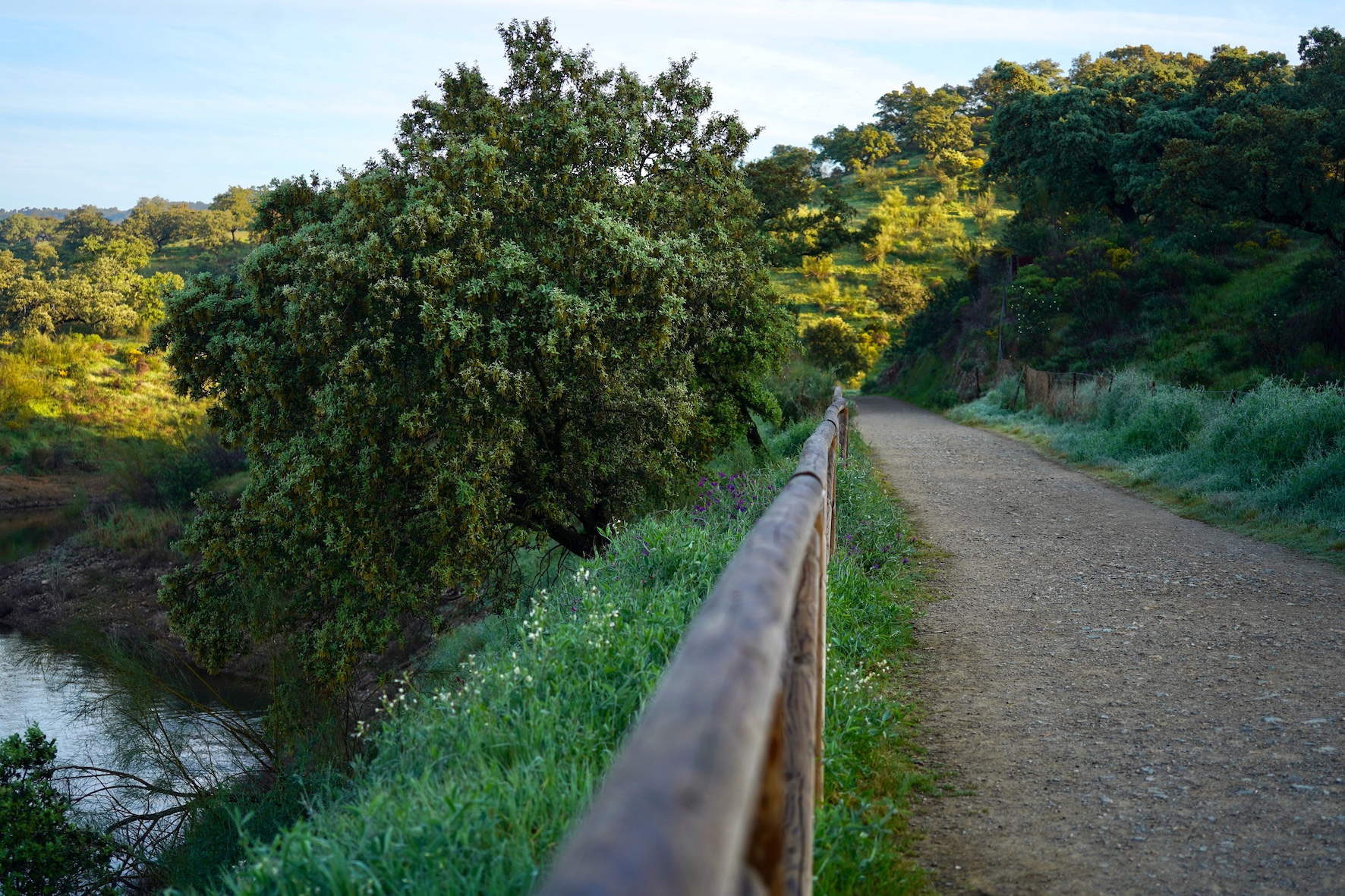
The El Ronquillo Greenway, 9 kilometres long, occupies part of the former Minas de Cala (Huelva) – San Juan de Aznalfarache (Seville) railway line. This railway dates back to the turn of the 19th and 20th centuries. Over its little more than 50 years of operation, its 96 km transported iron, copper, lead, and zinc, as well as other goods and passengers.
More information at: https://viasverdes.com/itinerarios/el-ronquillo